

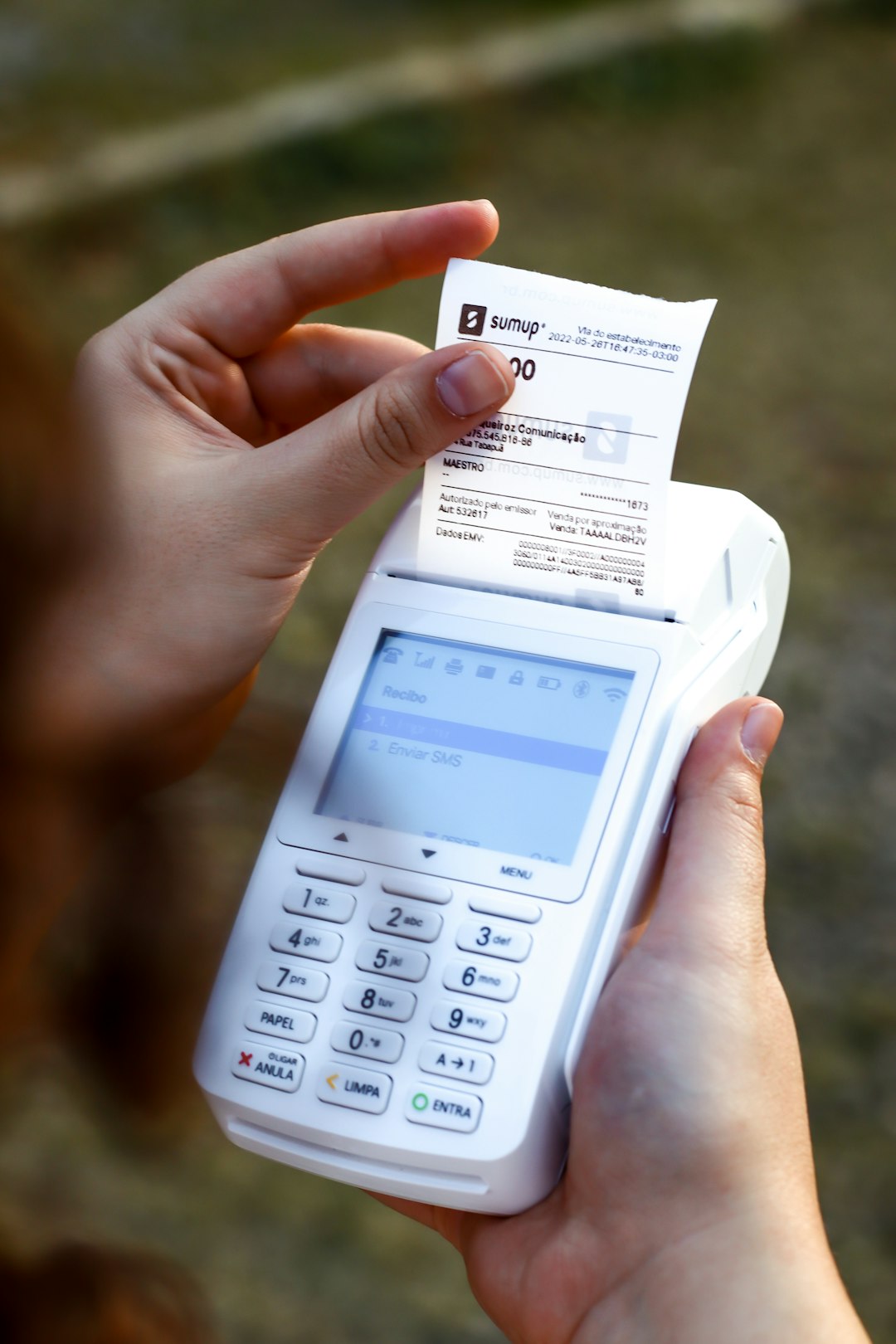
Whether you’re shopping for groceries, dining out at your favorite restaurant, or reimbursing a business expense, you’ve likely encountered a receipt. But have you ever heard of an itemized receipt? If you’re unfamiliar with the term or wondering why it matters, you’re not alone. This article breaks down the meaning behind itemized receipts, their importance, and how they differ from standard receipts.
TL;DR (Too Long; Didn’t Read)
An itemized receipt lists each product or service individually, along with prices, taxes, and other details. It’s different from a standard receipt that might only show a total amount. Itemized receipts give a clear snapshot of your transaction, helping with returns, reimbursements, and tax filings. They are especially useful for businesses and anyone tracking expenses.
What Is an Itemized Receipt?
An itemized receipt is a type of receipt that includes a detailed breakdown of each product or service purchased during a transaction. Rather than just displaying the total amount paid, it details the following:
- Name or description of each item or service
- Quantity purchased
- Price per item
- Taxes applied
- Discounts (if any)
- Total cost at the bottom
In essence, an itemized receipt provides full transparency of what was purchased and how the total was calculated.

Why Are Itemized Receipts Important?
Itemized receipts play a crucial role in both personal and business finance. Below are a few compelling reasons why they matter:
1. Clarity for the Consumer
Think of an itemized receipt like an open book. It tells you exactly what you paid for and how much. This transparency helps reduce disputes and confusion between the buyer and seller.
2. Returns and Exchanges
Retailers often require itemized receipts for processing returns or exchanges. Having specific information about what you purchased ensures the correct items are refunded or replaced.
3. Reimbursements
Many companies ask employees to submit itemized receipts along with expense reports. This allows finance departments to verify that each expense is legitimate and within policy.
4. Tax Forms and Deductions
If you plan to deduct business expenses on your taxes, the IRS or your local tax authority may request documentation—itemized receipts are often essential for proof of purchases.
5. Budget Tracking
Have you ever reviewed your spending at the end of the month and wondered where your money went? Itemized receipts provide a record, helping you track and analyze spending habits.
Common Places You’ll Find Itemized Receipts
Itemized receipts are not exclusive to any one type of purchase. You’ll commonly find them in the following locations:
- Grocery stores – Lists each food and household item
- Restaurants – Includes food items, drinks, taxes, and tips
- Gas stations – Shows fuel quantity, per-gallon cost, and total
- Medical clinics or hospitals – Lists tests, exams, or procedures
- Online retailers – Includes product names, prices, and delivery charges
- Hotels and accommodations – Breaks down room rate, taxes, and extras
In virtually every industry, itemized receipts help verify how your money was spent.
What’s Included on an Itemized Receipt?
While receipt designs vary by brand or service provider, a standard itemized receipt typically features the following elements:
- Business Information – Name, address, phone number, and tax ID
- Date and Time – When the transaction occurred
- Individual Items/Services – With quantities and per-unit costs
- Subtotal – Cost before taxes and discounts
- Sales Tax – Clearly displayed
- Total Amount Due
- Payment Method – Credit card, cash, etc.
- Transaction ID or Order Number
Many receipts also include return policies, loyalty points earned, or promotional messages.

Itemized vs. Non-Itemized Receipts
It’s easy to confuse the two, but the difference lies in the amount of detail presented.
| Feature | Itemized Receipt | Non-Itemized Receipt |
|---|---|---|
| Shows Individual Items | Yes | No |
| Helps with Reimbursements | Yes | Rarely |
| Accepted for Tax Deductions | Yes | Often not sufficient |
| Preferred for Returns | Yes | Not ideal |
In short, non-itemized receipts may show the total sum and payment method but lack the breakdown critical for accountability and record-keeping.
Digital vs. Paper Itemized Receipts
As technology evolves, so do our receipts. Many businesses now offer digital itemized receipts, sent via email or accessible through apps. Here’s how they compare to traditional paper versions:
Advantages of Digital Receipts:
- Environmentally friendly
- Easier to store and organize
- Less likely to get lost or damaged
- Can be easily attached to tax or reimbursement forms
Advantages of Paper Receipts:
- Instant access at the point-of-purchase
- Accepted everywhere (some places don’t accept screenshots/copies)
Many consumers prefer a combination—having the original paper as backup while managing digital versions for bookkeeping.
How to Request an Itemized Receipt
Not all establishments automatically provide itemized receipts, especially small vendors or some service-based providers. If you need one, here are a few easy ways to ask:
- Say, “Could I get an itemized receipt, please?” at checkout.
- If emailed, ask the sender to ensure it includes detailed line items.
- When booking services, request a breakdown ahead of time.
Being polite and clear usually ensures a smooth transaction and proper documentation.
Conclusion: Why Itemized Receipts Are More Than Just Paper
An itemized receipt may look like an ordinary slip of paper, but it’s a powerful tool for ensuring financial accuracy, accountability, and transparency. Whether you’re budgeting, filing taxes, or managing a business, these detailed records help you keep track of every dollar spent.
The next time you’re at the checkout counter, take a closer look at your receipt. If it details everything you just bought line-by-line, congratulations! You’ve got an itemized receipt in hand—and now you know exactly why that matters.