

Learning doesn’t have to be boring. In fact, it’s becoming a lot more exciting! Around the world, teachers and students are finding creative ways to make education more active, more fun, and more real. It’s not just about reading textbooks anymore—it’s about *doing*, *creating*, and *solving* real problems.
TLDR:
Education is changing fast. Instead of sitting in rows and memorizing facts, students are now experimenting, building, and exploring their world. Innovative schools and programs are helping kids turn what they learn into action. It’s education with purpose—and a whole lot more fun!
Why Change the Way We Learn?
The world is not the same as it used to be. Technology is moving fast, and new jobs pop up all the time. We need learners who can think on their feet, work in teams, and solve problems creatively.
Traditional learning doesn’t always prepare students for this kind of world. Sometimes kids memorize facts for a test, then forget everything a week later. That doesn’t help them learn for life.
This is why educators are turning to learning *innovation*—new ideas and tools that make learning more exciting, lasting, and *active*.
What Does Learning Innovation Look Like?
Imagine a classroom where students build robots instead of taking notes on machines. Or a lesson on weather that happens *outside*, with students flying drones to track temperatures. Pretty cool, right?
Here are some fun and powerful examples of learning innovation:
- Project-Based Learning (PBL): Instead of sitting through lectures, students tackle real-world problems. They might plan a new playground or design a community garden.
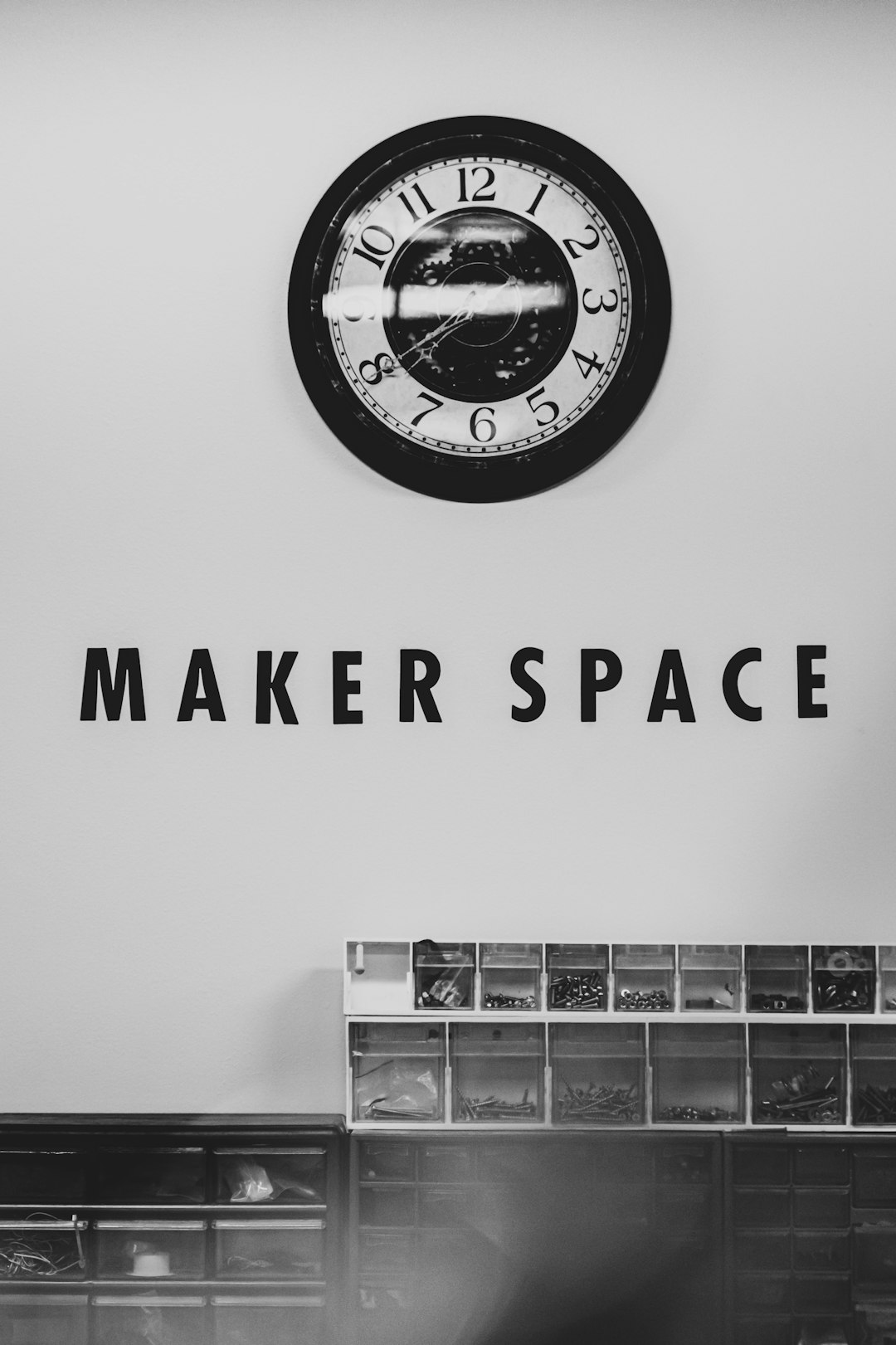
- Maker Ed: Kids use tools, tech, and imagination to build things—from birdhouses to 3D-printed art. They learn science, math, and teamwork all at once.
- Game-Based Learning: Lessons turn into adventures with points, challenges, and rewards. Think math quests or history escape rooms.
- Outdoor Classrooms: Nature becomes the teacher. Students explore plants, measure rivers, and watch insects in their real habitats.
Turning Knowledge Into Action
One big goal of learning innovation is to help students *do something* with what they know. It’s not just about learning facts—it’s about using them to make a difference.
For example, a group of middle schoolers might study recycling, then start a recycling program at their school. Or high-school students could learn about clean energy and build a mini wind turbine to power a small light.
These are more than assignments. They’re *adventures with impact*. Students feel proud, motivated, and ready to take on bigger challenges.
Cool Tools That Make It Happen
Technology plays a big role in making learning fun and powerful. Here are a few tools and gadgets that are transforming classrooms:
- Virtual Reality (VR): Take a trip to ancient Egypt or Mars without leaving your desk.
- Augmented Reality (AR): Turn your classroom into an interactive science lab with just a tablet.
- Online Simulations: Practice running a business, flying a plane, or programming robots in a safe digital space.
- Collaboration Apps: Use tools like Google Workspace or Padlet to team up on projects in real-time, from anywhere.
These tools help kids *see*, *touch*, and *try* ideas instead of just hearing about them.
Creativity Takes Center Stage
In today’s learning adventures, there’s no one “right” answer. Students are encouraged to think big, take creative risks, and design their own solutions. This helps them build *confidence*, *curiosity*, and *resilience*.
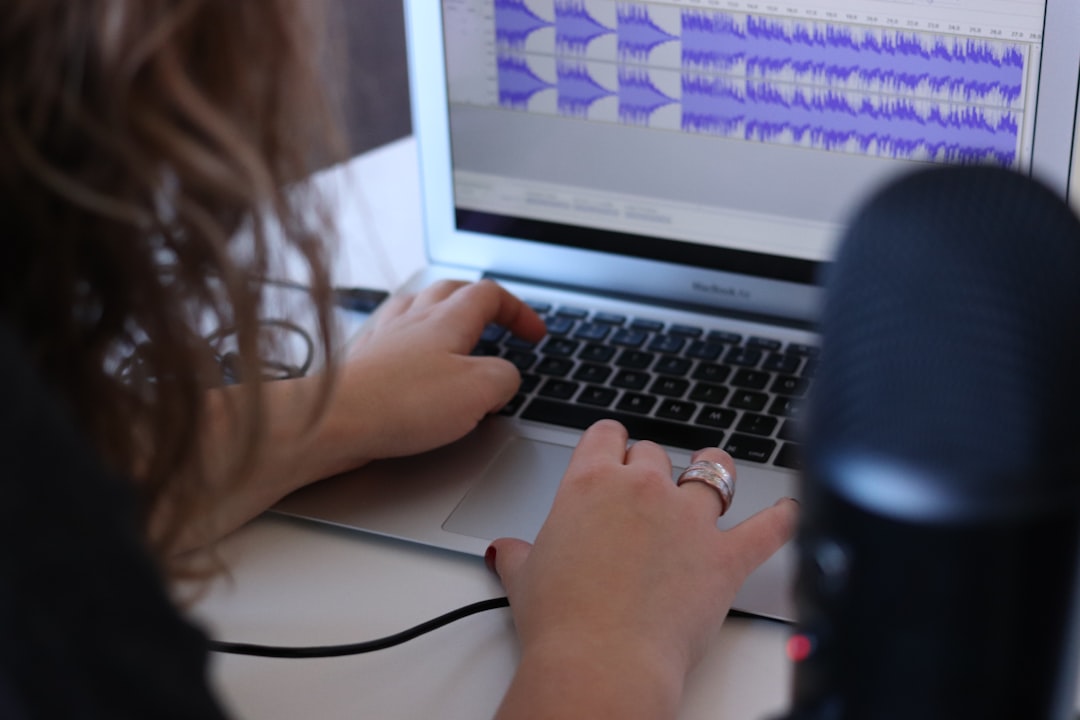
For example, students might create podcasts to explore local history. Or write and perform plays about climate change. Or publish their own books about topics they care about.
Suddenly, learning isn’t a chore—it’s a *stage for expression*.

Stories From the Real World
Let’s look at a few real examples of schools turning learning into action:
- In Singapore, students use coding skills to design mobile apps that solve problems in their neighborhood—like finding recycling bins or reporting potholes.
- In the US, a school uses a farm-to-table program where students grow vegetables and cook meals in a student-run café. They learn science, business, health, and leadership—all in one project!
- In Kenya, girls are learning to build solar-powered lanterns. This lets them bring light into homes where electricity is hard to find.
These stories show how learning meets life. Kids don’t just learn *about* the world—they get to help *shape* it.
What Can Parents and Teachers Do?
You don’t need expensive tech or a fancy classroom to start learning innovation. Here are simple ways to bring more action into learning:
- Ask open questions: Try “How could we fix this?” instead of “What’s the answer?”
- Celebrate effort: Mistakes are part of learning! Celebrate tries, not just results.
- Work on real problems: Let kids help plan meals, build shelves, or start a simple project at school or home.
- Use everyday tools: Smartphones, art supplies, and even cardboard boxes can spark big ideas.
With support from caring adults, every student can be a maker, explorer, and change-maker.
The Future of Learning Is Already Here
We don’t have to wait for the future to make learning better. Around the globe, students and teachers are already making it happen. They’re bold, creative, and full of energy.
Books still matter. But they now sit alongside apps, field trips, community projects, and hands-on investigations. The classroom is everywhere, and learning never stops.
This is the heart of learning innovation: *turning ideas into action*. One small project at a time, students are building skills, solving problems, and shaping the future.
So what’s your next learning adventure?
Grab a pencil, a problem, and a dream—then go do something awesome.