

In the modern era of rapid urban growth and global interconnectedness, the identity of a city is no longer defined solely by its architecture or economic success. Increasingly, art has emerged as a cornerstone in shaping urban character, forging community bonds, and crafting unique cultural narratives. This growing trend—called cultural urban development—illuminates the powerful relationship between artistic expression and urban identity.
TLDR:
Art plays a critical role in shaping city identity through cultural urban development. From public murals to creative spaces and festivals, art enhances community engagement, reflects local values, and attracts tourism and investment. Cities that embrace art in their urban planning become vibrant, inclusive, and more resilient. This intersection of art and urban planning helps cities tell their own stories in meaningful and lasting ways.
The Role of Art in Defining City Identity
Cities are more than just collections of infrastructure; they are living, breathing communities with distinct personalities. Much like individuals, cities crave self-expression. Art allows this self-expression to flourish, offering both residents and outsiders a window into a city’s character, values, and rhythms.
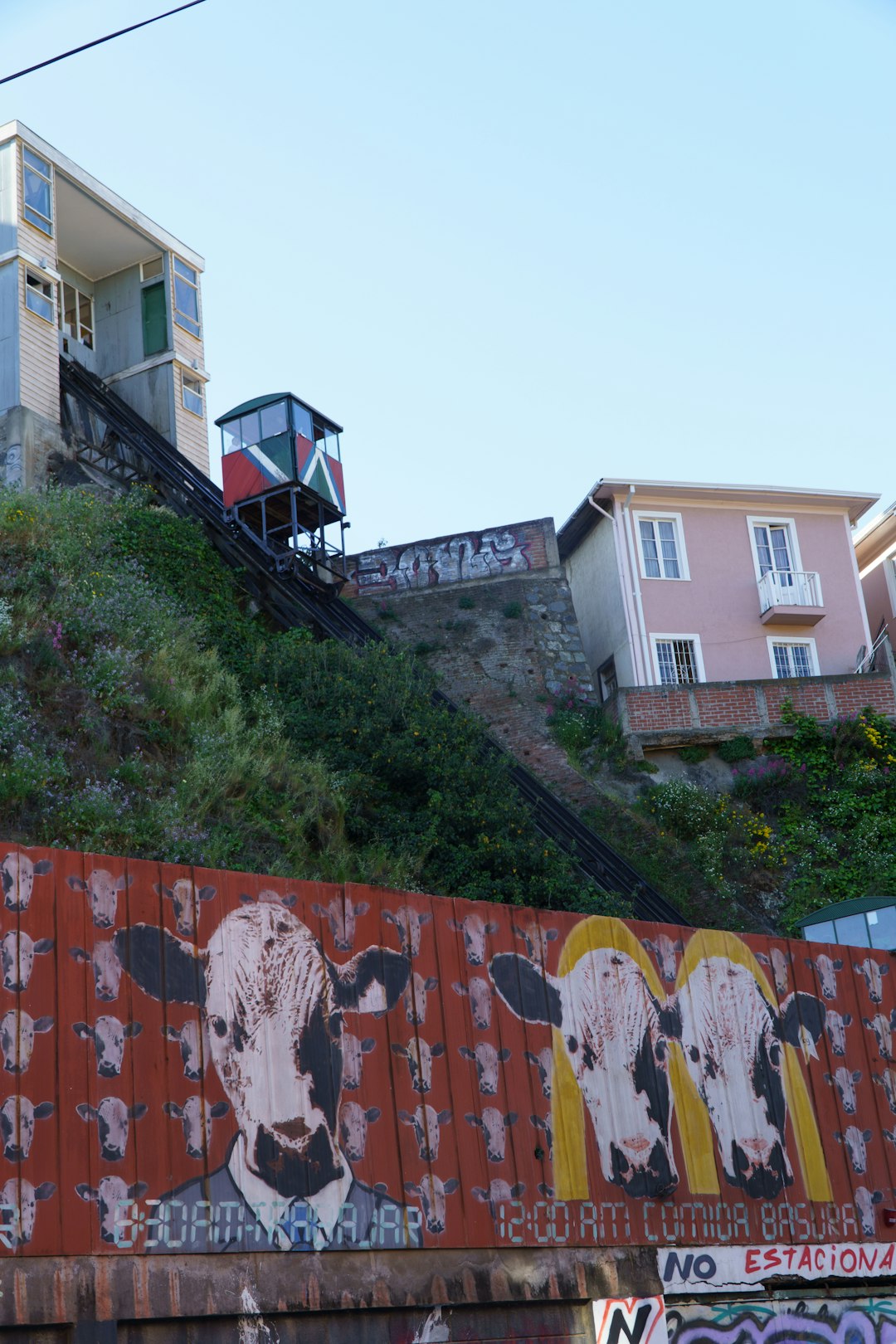
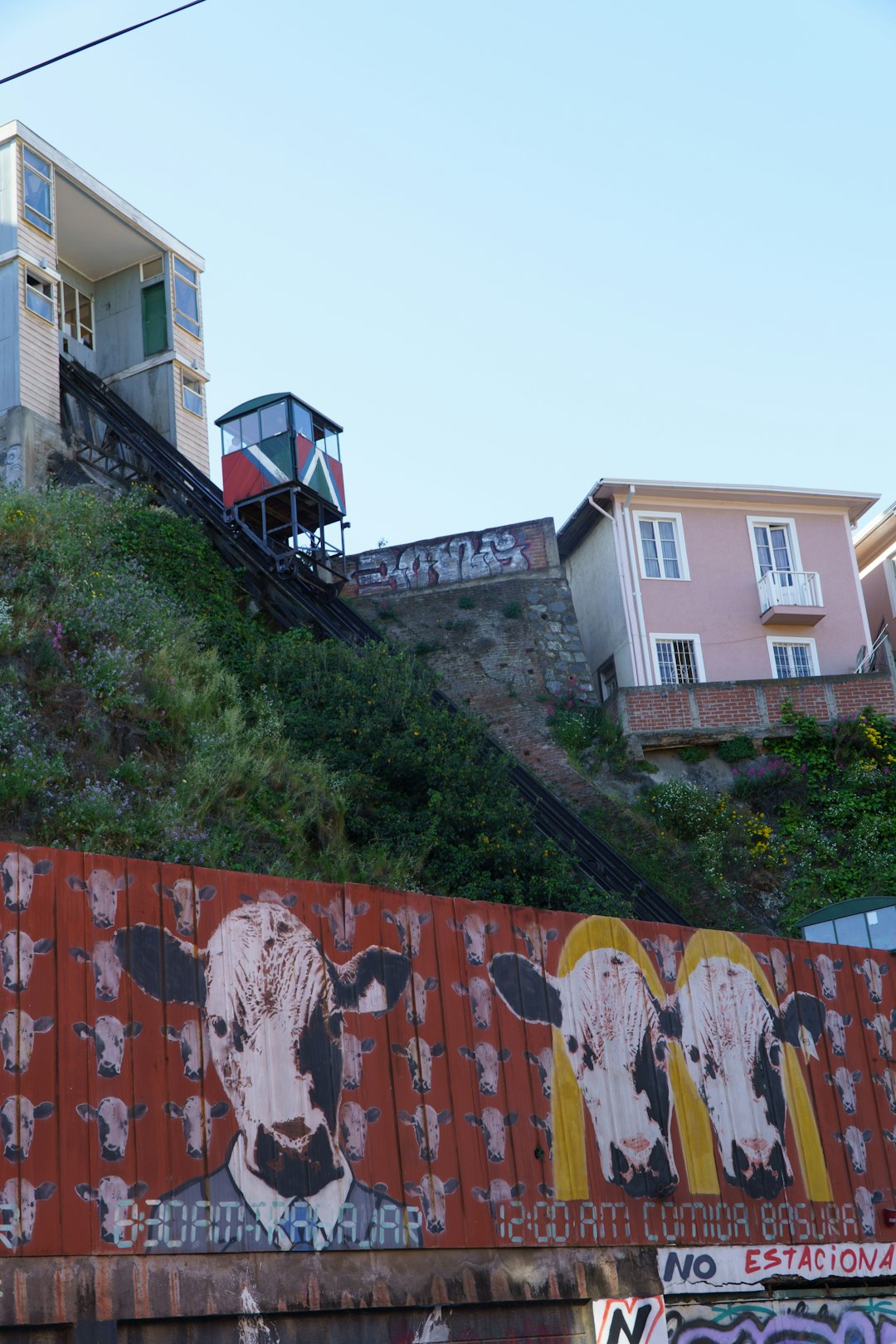
Consider the impact of murals in Philadelphia, sculptures in Barcelona, or the performance art in Tokyo’s bustling districts. These forms of art are not simply decorative—they become part of the urban fabric.
Key ways in which art shapes city identity include:
- Visual storytelling: Public artworks depict local history, social struggles, and community hopes.
- Place-making: Art transforms ordinary spaces into landmarks and gathering areas.
- Community representation: Art gives voice to underrepresented communities, nurturing inclusion and diversity.
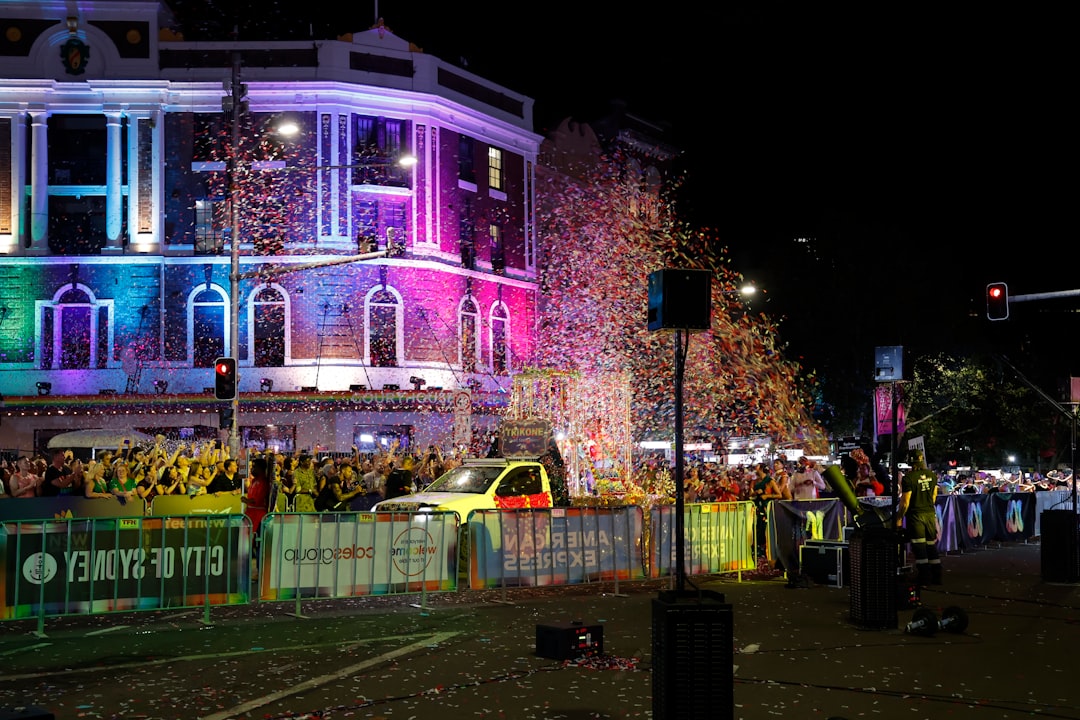
- Tourist appeal: Creative districts and art-centric events attract global tourists and stimulate local economies.
Understanding Cultural Urban Development
Cultural urban development refers to strategies that integrate arts and culture into urban planning and regeneration. It recognizes that culture is not just a sector—it’s a key ingredient of sustainable urban living.
This concept emerged alongside broader shifts toward more holistic urban policies. Cultural urban development doesn’t just beautify spaces; it seeks to build vibrant, resilient cities where culture contributes to economic vitality, community well-being, and innovation.
Core elements of cultural urban development include:
- Inclusion of artists in planning processes
- Funding and sustaining vibrant cultural institutions
- Redeveloping areas through cultural investment
- Creating avenues for grassroots cultural initiatives
When combined with participatory development practices, these elements ensure that cultural assets benefit all residents—not just elite or tourist populations.
Case Studies: Art-Driven City Transformations
1. Medellín, Colombia: Formerly known for violence, Medellín transformed by integrating art and culture into its urban strategy. Graffiti tours and community-based art programs helped reshape public perception and activate civic pride.
2. Berlin, Germany: The reunified city embraced street art and creative industries, giving rise to a world-renowned arts scene. Vacant lots turned into studios and performance venues illustrate how city spaces can be reclaimed through creativity.
3. Melbourne, Australia: With deliberate policy initiatives, Melbourne cultivated cultural districts and funded public exhibitions. As a result, it’s regularly ranked as one of the world’s most livable cities—not just because of infrastructure, but due to atmosphere and identity.
These cases highlight that cultural urban development is not a luxury. It’s a necessity for cities aiming to stay resilient and meaningful to their citizens and visitors alike.
The Economic and Social Impact of Cultural Urbanism
Beyond aesthetic value, integrating art into city identity brings tangible benefits:
- Economic Revitalization: Cultural tourism and creative industries generate jobs, tax revenue, and boost local businesses.
- Social Cohesion: Art programs engage marginalized communities, facilitate dialogue, and bridge social divides.
- Public Health: Access to arts has been linked to improved mental wellbeing and urban livability.
When governments allocate funding to public art or creative institutions, they are investing in long-term urban stability and inclusion. Moreover, thriving cultural scenes can attract tech companies, startups, and remote workers, all of whom increasingly prioritize “cultural capital” when choosing where to live and work.
Challenges and Considerations
Despite its benefits, cultural urban development comes with risks. If not managed inclusively, art and culture can lead to gentrification, displacing the very communities whose voices shaped the creativity. Balancing cultural investment with affordability is a critical challenge.
Other challenges include:
- Tokenism: Incorporating art superficially without genuine community input.
- Over-commercialization: Allowing corporate interests to dominate cultural spaces, diluting authenticity.
- Unequal access: Favoring certain districts or populations at the expense of marginalized neighborhoods.
To counteract these pitfalls, cities must embrace a participatory approach. Community-led design, local artist funding, and transparent decision-making processes are vital for sustainable, equitable cultural development.
The Future of Culturally Driven Cities
As the world becomes more urbanized and interconnected, cities need more than highways and high-rises—they need hearts and stories. Art infuses cities with soul and uniqueness. Cultural urban development represents a forward-thinking framework that integrates creativity into the DNA of city-building.
Future-forward cities are already embracing this shift. From digital art installations powered by AI to community-based ecological art projects, the use of cultural assets is expanding in new and innovative ways. These initiatives serve not just as beautification tools, but also as catalysts for inclusivity, sustainability, and civic identity.
Ultimately, the successful integration of art into urban planning can elevate streets into stages and neighborhoods into narratives. It affirms that cities are not just built—they are composed.
FAQ: Cultural Urban Development and City Identity
-
Q: What is cultural urban development?
A: It’s the integration of arts and culture into urban planning to create vibrant, meaningful, and inclusive cityscapes. -
Q: How does art influence a city’s identity?
A: Art expresses local stories, values, and conflicts, giving each city a unique character that’s visible and felt by residents and visitors. -
Q: Can art really impact the economy?
A: Yes. Arts and culture attract tourism, stimulate local business, and create jobs in both traditional and creative sectors. -
Q: Isn’t public art just for decoration?
A: Not at all. Public art often addresses social issues, engages communities, and revitalizes neighborhoods. -
Q: How can cities ensure cultural development is inclusive?
A: By involving local communities in planning, funding a diverse range of artists, and maintaining cultural affordability in creative neighborhoods.