

For nearly two decades, smartphones have defined the rhythm of modern life. They are our cameras, wallets, maps, offices, and social hubs—all compressed into sleek slabs of glass and silicon. Yet, behind the scenes, the world’s largest technology companies are preparing for something radically different. From immersive mixed reality to AI-powered wearables and ambient computing environments, the next era of digital innovation is taking shape—one that may gradually move us beyond the smartphone as the center of our digital universe.
TLDR: Tech giants are preparing for a future where smartphones are no longer the primary gateway to digital life. Emerging technologies like augmented reality glasses, AI wearables, spatial computing, and ambient intelligence aim to blend digital experiences more seamlessly into the physical world. Artificial intelligence is the engine powering this shift, enabling devices that anticipate needs rather than react to commands. The next era of innovation will focus on invisibility, immersion, and integration—making technology less disruptive and more intuitive.
The transition will not happen overnight. Smartphones remain immensely powerful, profitable, and interconnected with global infrastructure. However, industry leaders are making strategic investments in technologies designed to complement—and eventually transcend—the phone. This signals an important shift in how we think about computing itself.
The Limits of the Smartphone Era
Smartphones revolutionized communication and access to information, but they come with inherent limitations. Their rectangular touchscreens dominate attention, encouraging users to look down rather than outward. Notifications fragment focus. Apps compete for screen time. While processing power has grown exponentially, the fundamental interface—taps and swipes on glass—has barely evolved.
Several factors are pushing companies to explore alternatives:
- Screen fatigue: Users increasingly report burnout from constant scrolling.
- Physical constraints: Screens can only get so large or so compact.
- Battery limitations: Power demands continue to outpace breakthroughs in energy storage.
- Market saturation: Global smartphone adoption has plateaued in many regions.
The next wave of innovation is focused not on improving the phone, but on redefining how humans interact with digital systems.
Augmented Reality: Merging Digital and Physical Worlds
One of the most ambitious alternatives to smartphones is augmented reality (AR). Unlike virtual reality, which immerses users in fully digital environments, AR overlays digital information onto the physical world. Imagine navigation arrows projected directly onto sidewalks, real-time translations appearing beside foreign text, or contextual data hovering near physical objects.

Major technology firms are investing heavily in lightweight AR glasses designed to eventually replace many smartphone functions. Instead of pulling out a device, users could see messages, directions, and notifications in their field of vision. Voice commands, gesture control, and eye tracking may replace tapping and typing.
The vision is compelling:
- Hands-free navigation while walking or cycling
- Real-time collaboration with 3D digital overlays
- Context-aware information triggered by location
- Immersive entertainment integrated into everyday settings
However, challenges remain. AR glasses must balance battery life, processing power, privacy safeguards, and aesthetics. Consumers are unlikely to adopt bulky or socially awkward designs. Yet steady progress in micro-displays, edge computing, and silicon efficiency suggests these obstacles may be temporary.
Artificial Intelligence as the Invisible Interface
If smartphones were defined by apps, the next generation of devices will be defined by artificial intelligence. AI is rapidly evolving from a background feature to the primary interface between humans and machines.
Instead of manually opening apps, searching menus, or typing commands, users may simply speak naturally to AI agents that understand context and anticipate needs. Advanced models can already summarize long documents, draft emails, plan trips, generate visuals, and answer complex questions. As this capability embeds directly into hardware, the role of screens diminishes.
AI-driven ecosystems could:
- Proactively schedule appointments based on email conversations
- Adjust home environments according to personal habits
- Filter and prioritize communications intelligently
- Provide instantaneous language translation
This evolution shifts computing from reactive to proactive. Devices will not wait for instructions—they will predict and assist in real time. Smartphones will likely serve as transitional hubs, but the intelligence layer will increasingly operate across multiple devices simultaneously.
Wearables: Computing on the Body
Smartwatches and fitness trackers were early indicators of a broader trend: moving technology from pockets to bodies. The next generation of wearables goes far beyond counting steps.
Biometric sensors are becoming more advanced, capable of monitoring heart rhythms, stress levels, oxygen saturation, and even early indicators of illness. Neural interface research is exploring non-invasive methods to interpret electrical signals from the brain, potentially allowing users to control devices through thought.
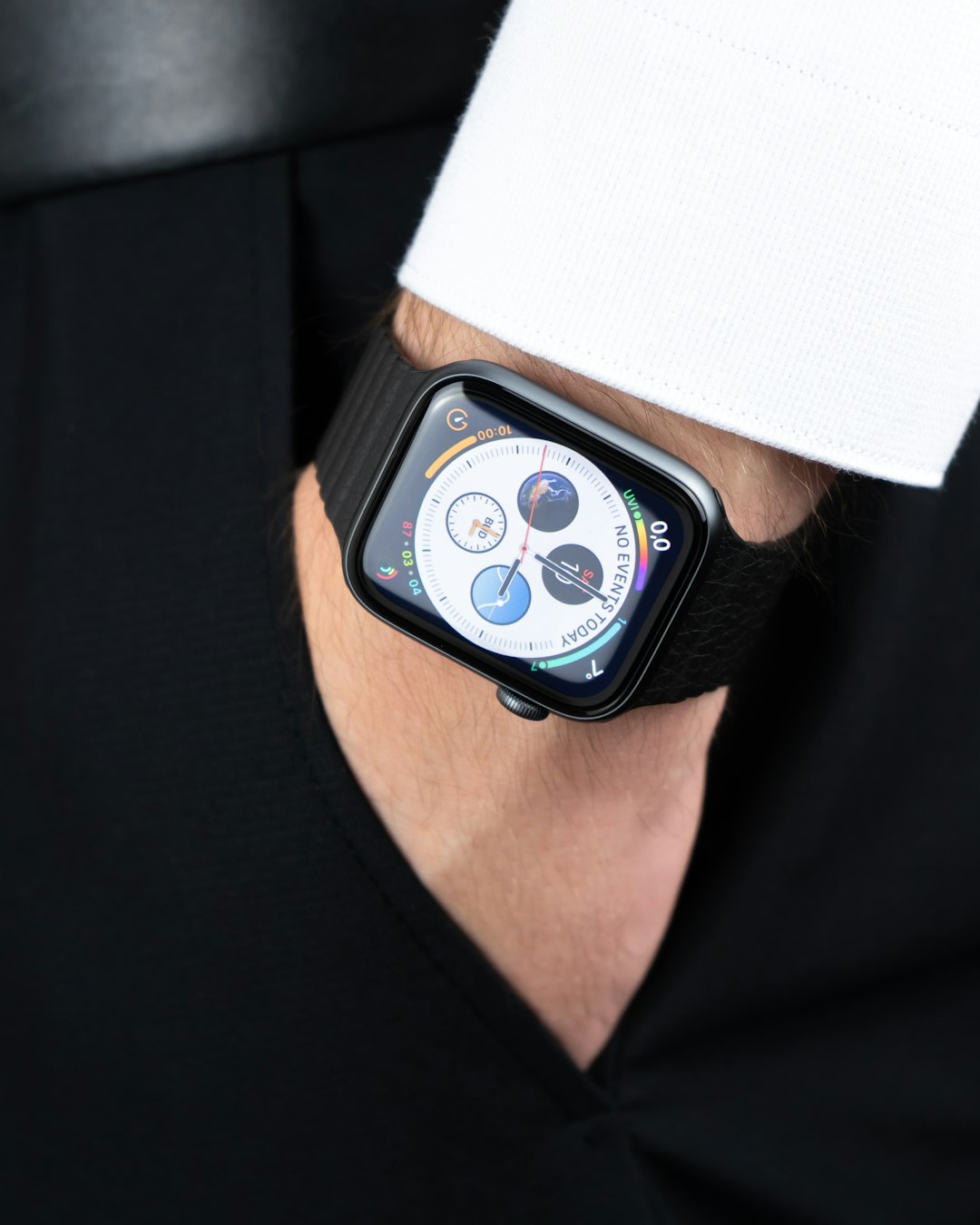
Future wearables may include:
- Smart rings that authenticate identity and track health metrics
- AI-powered earbuds that provide contextual audio information
- Neural bands translating gestures into commands
- Adaptive clothing embedded with responsive sensors
These devices emphasize subtlety. Rather than dominating attention like smartphones, they function quietly in the background, offering information when needed and fading when not.
Spatial Computing and Mixed Reality
Another frontier gaining momentum is spatial computing. This concept treats the physical environment as part of the computing interface. Digital objects can be anchored to real locations, manipulated through natural movement, and shared collaboratively across networks.
Imagine architects designing buildings by walking through holographic models. Students could explore the solar system projected into classrooms. Remote colleagues might appear as life-sized avatars sitting across a conference table.
Image not found in postmetaMixed reality headsets already demonstrate early versions of these capabilities. While currently expensive and somewhat cumbersome, rapid hardware miniaturization and software optimization are improving usability. Over time, features may migrate into smaller, glasses-like form factors.
Spatial computing redefines how digital content is organized. Instead of stacking windows on a screen, users arrange information around them in three dimensions. The internet becomes a space you inhabit rather than a page you scroll.
Ambient Computing: Technology That Disappears
Perhaps the most transformative idea is ambient computing. In this model, technology recedes into the environment entirely. Sensors, microphones, cameras, and processors blend into homes, offices, and public spaces. AI orchestrates data across devices to create seamless experiences.
For example:
- Lighting adjusts automatically based on time of day and mood.
- Kitchen appliances coordinate to optimize cooking.
- Vehicles communicate with city infrastructure to improve traffic flow.
- Retail spaces personalize displays as customers browse.
The goal is minimal friction. Instead of consciously engaging with devices, people simply live, and computing supports them invisibly.
Privacy, Ethics, and Infrastructure Challenges
A future beyond smartphones raises serious ethical and regulatory questions. Devices embedded in glasses, clothing, and surroundings could collect unprecedented amounts of data. Visual recording, location tracking, biometric monitoring, and voice capture introduce privacy risks that demand thoughtful governance.
Key concerns include:
- Data ownership: Who controls continuous biometric and behavioral data?
- Security: How are ambient systems protected from cyber threats?
- Social impact: Will immersive technology widen inequality gaps?
- Digital consent: How do bystanders opt out of being recorded?
Tech companies must navigate these issues carefully. Public trust will determine adoption rates as much as technical capability.
Will Smartphones Truly Disappear?
The idea of a “post-smartphone” era does not necessarily mean phones will vanish. More likely, they will evolve into central processors that coordinate peripheral devices. In much the same way laptops continue to coexist with tablets, smartphones may remain foundational while fading from daily prominence.
History suggests technology rarely disappears abruptly. Instead, it transforms. Desktop computers gave way to mobile computing without becoming obsolete. Landlines survived the rise of mobile phones. The smartphone may follow a similar path—less dominant, but still essential in particular contexts.
The Road Ahead
The next era of digital innovation will likely unfold across three overlapping phases:
- Extension: Smartphones enhance wearables and AR tools.
- Integration: Devices share AI systems across ecosystems.
- Immersion: Digital experiences integrate seamlessly into everyday environments.
Artificial intelligence will be the connective tissue across all phases. Processing will increasingly occur in the cloud and at the edge, supported by faster wireless standards and specialized chips optimized for machine learning.
Consumers may not even notice the shift at first. Improvements will feel incremental—lighter glasses, smarter assistants, more intuitive wearables. Over time, however, the cumulative effect could fundamentally alter how humans experience technology.
The ultimate aim is not simply to replace the smartphone, but to make technology more humane. By reducing screen dependency and embedding intelligence into the world around us, innovators hope to create systems that amplify human capability without monopolizing attention.
The smartphone era democratized information and reshaped society. The next era seeks something subtler yet equally transformative: a world where digital intelligence is everywhere, yet almost nowhere to be seen. Whether through augmented reality, AI wearables, spatial computing, or ambient systems, the future beyond smartphones is not a single device—but an interconnected ecosystem.
As tech giants chart this path forward, one thing is clear: the story of personal computing is far from finished. Instead, it is entering a new chapter—one defined not by what we hold in our hands, but by how seamlessly technology blends into the fabric of daily life.