

Product analytics has become a core discipline for modern software companies. Understanding how users behave, what features they adopt, where they churn, and how engagement evolves over time is no longer optional—it is fundamental to sustainable growth. PostHog has emerged as a popular open-source product analytics platform, but it is far from the only solution available. Organizations evaluating alternatives often want deeper scalability, different pricing models, stronger compliance guarantees, or broader feature ecosystems.
TLDR: While PostHog is a powerful and flexible product analytics tool, several robust alternatives exist, each with distinct strengths. Platforms such as Amplitude, Mixpanel, Heap, Pendo, and Plausible offer diverse combinations of behavioral analytics, session tracking, experimentation, and compliance features. The right choice depends on your company’s scale, technical maturity, data governance requirements, and growth goals. Careful comparison of capabilities, pricing, and deployment options is essential before making a decision.
What to Look for in a PostHog Alternative
Before exploring specific platforms, it is important to clarify the key criteria that define a strong product analytics solution:
- Event-based tracking: Flexible tracking of user interactions across web and mobile.
- Real-time analytics: Immediate access to performance and engagement metrics.
- Funnel and cohort analysis: Deep insight into user journeys and segmentation.
- Session replay: Visual playback of user sessions for behavioral understanding.
- Experimentation: Built-in A/B testing or feature flagging.
- Data governance: Role-based access control, compliance features, and data warehouse integrations.
- Deployment model: Cloud-based, self-hosted, or hybrid options.
Organizations should align these capabilities with business objectives, technical infrastructure, and regulatory constraints before evaluating vendors.
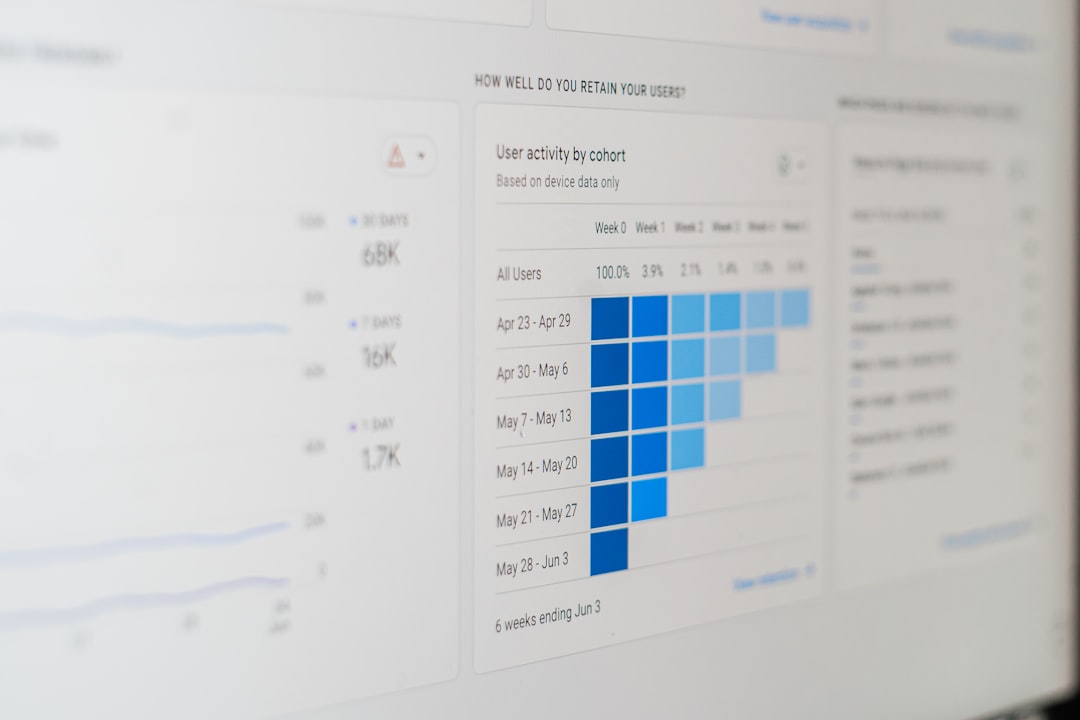
Leading Software Products Similar to PostHog
1. Amplitude
Amplitude is widely regarded as one of the most advanced product analytics platforms on the market. It focuses heavily on behavioral analytics, enabling detailed user journey mapping and retention analysis.
- Advanced funnel and path analysis
- Predictive analytics for churn and lifetime value
- Integrated experimentation tools
- Strong enterprise-grade governance
Amplitude is particularly well-suited for mid-sized to enterprise organizations that require scalability and sophisticated segmentation. However, it may present a steeper learning curve and higher pricing compared to smaller tools.
2. Mixpanel
Mixpanel is another leading event-based analytics platform. It shares similarities with PostHog in its focus on user events and behavioral tracking but offers a polished, cloud-native interface.
- Event-driven architecture
- Robust cohort analysis
- Built-in messaging and engagement tools
- Scalable pricing tiers
Mixpanel is often chosen by SaaS startups transitioning to scale. Its interface is intuitive, and its reporting features are mature. However, some organizations may prefer open-source flexibility offered by tools like PostHog.
3. Heap
Heap differentiates itself through automatic data capture. Rather than requiring predefined event tracking, Heap captures all user interactions and allows retrospective analysis.
- No-code event tracking
- Automatic data collection
- Retroactive event definition
- Strong visualization tools
This approach reduces dependency on engineering teams and accelerates experimentation. Heap is particularly valuable in fast-paced product environments where requirements change frequently.

4. Pendo
Pendo combines product analytics with in-app guidance and user feedback tools. It is especially powerful for product-led growth strategies.
- In-app messaging and walkthroughs
- Net Promoter Score (NPS) tracking
- Behavior-based segmentation
- Mobile and web analytics
Pendo’s analytics may not be as granular as Amplitude’s, but its integrated onboarding and feedback capabilities create a strong all-in-one product experience platform.
5. Plausible Analytics
Plausible takes a privacy-first approach. While more lightweight than PostHog, it appeals to companies prioritizing simplicity and GDPR compliance.
- Cookieless tracking
- Open-source transparency
- Lightweight reporting dashboards
- Strong privacy compliance
Plausible is best suited for organizations that need traffic and engagement analytics without extensive behavioral modeling or experimentation tools.
6. Matomo
Matomo is a long-standing open-source alternative to traditional analytics platforms. It offers both self-hosted and cloud deployments.
- Full data ownership
- Customizable plugins
- Heatmaps and session recordings
- GDPR-focused controls
For organizations with strict compliance requirements or internal hosting policies, Matomo can be a compelling option.
Comparison Chart
| Platform | Deployment | Session Replay | Experimentation | Best For |
|---|---|---|---|---|
| PostHog | Cloud & Self-hosted | Yes | Yes | Flexible, developer-centric teams |
| Amplitude | Cloud | Limited | Yes | Enterprise behavioral analytics |
| Mixpanel | Cloud | Limited | Basic | Scaling SaaS companies |
| Heap | Cloud | No | Limited | Automatic event capture environments |
| Pendo | Cloud | No | Yes | Product-led growth teams |
| Plausible | Cloud & Self-hosted | No | No | Privacy-first analytics |
| Matomo | Cloud & Self-hosted | Yes | Limited | Compliance-heavy organizations |
Deployment Considerations
One of PostHog’s distinguishing advantages is its open-source, self-hosted deployment model. Several alternatives also offer flexible deployment, but many platforms operate exclusively as SaaS solutions.
Organizations should evaluate:
- Data residency requirements
- Internal infrastructure capabilities
- Security compliance standards
- Total cost of ownership
While SaaS deployments offer faster onboarding and reduced maintenance, self-hosted solutions provide enhanced control and customizability.

Cost and Scalability Factors
Pricing structures vary widely among product analytics platforms. Some charge by event volume, others by monthly tracked users, and some by feature tier. Rapid growth can significantly increase costs under event-based pricing models.
Key pricing considerations include:
- Monthly active users (MAU) limits
- Event ingestion caps
- Data retention periods
- Access to advanced features such as predictive analytics
Enterprises should request custom pricing projections to avoid scaling surprises. Startups, on the other hand, may prefer platforms offering generous free tiers or predictable usage-based billing.
Integration Ecosystems
A modern analytics stack rarely operates in isolation. The ability to integrate with data warehouses, CRM systems, marketing automation tools, and customer support platforms is essential.
Strong integration ecosystems ensure:
- Centralized business intelligence
- Improved cross-functional reporting
- Cleaner data pipelines
- Reduced manual processes
Platforms such as Amplitude and Mixpanel provide extensive integration libraries, while open-source solutions may require additional engineering effort to achieve similar connectivity.
Selecting the Right Platform
Choosing a product analytics platform should not be driven by popularity alone. Decision-makers should assess:
- Technical resources available internally
- Growth forecasts and usage projections
- Compliance obligations
- Product experimentation requirements
- Budget constraints
In many cases, piloting two or three platforms simultaneously can provide practical insight into usability, reporting clarity, and data reliability.
Conclusion
PostHog remains a compelling solution, particularly for teams seeking transparency, developer-centric workflows, and deployment flexibility. However, alternatives such as Amplitude, Mixpanel, Heap, Pendo, Plausible, and Matomo offer equally credible capabilities tailored to different operational priorities.
A rigorous evaluation process—grounded in clear business objectives, technical compatibility, and long-term cost modeling—will produce the most reliable outcome. Product analytics is not merely a reporting function; it is a strategic capability that directly influences growth, retention, and competitive positioning. Selecting the appropriate platform is therefore a decision deserving of careful analysis and executive-level consideration.