

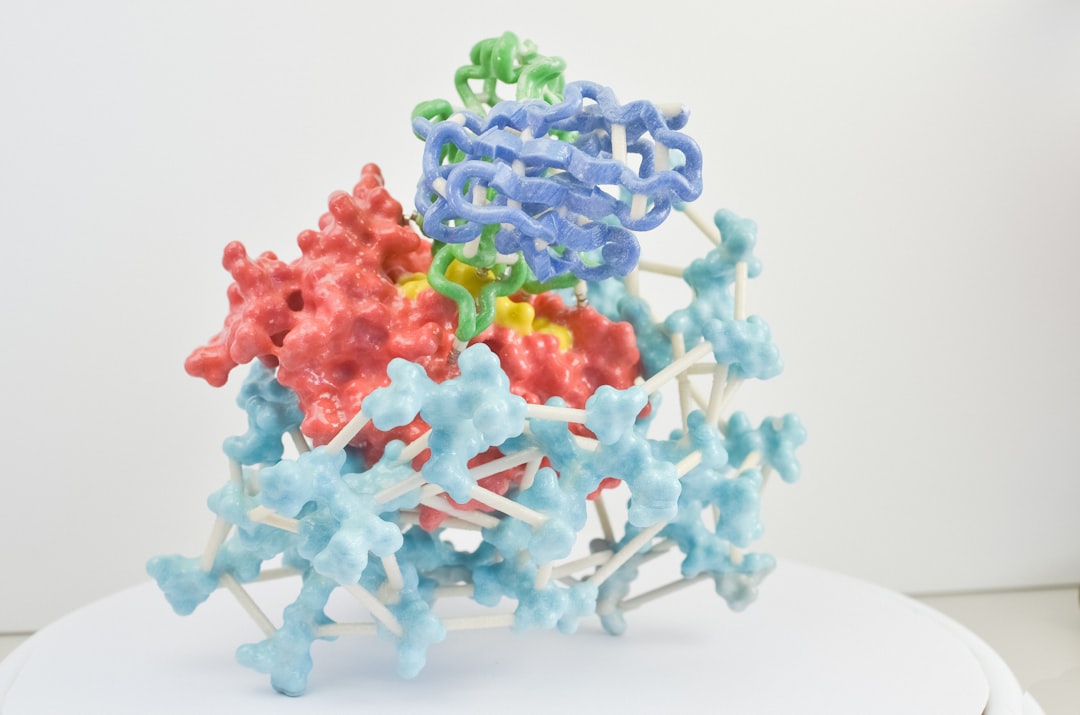
The advancement of technology continually brings forth unique discoveries that reshape how we understand biological processes, molecular structures, and engineering mechanisms. One such subject that has gained attention due to its versatile nature and wide-reaching applications is Cbybxrf. Although its origin might seem obscure, its scientific relevance cannot be ignored.
TLDR: Cbybxrf is a multifunctional component found in both natural and engineered environments. It plays a vital role in cellular regulation, structural integrity, and serves as a critical intermediary in several biochemical processes. Today, technological innovations have extended its applications into medical diagnostics, synthetic biology, and even computational modeling. Understanding its structure and function unveils powerful insights into both biology and modern engineering systems.
What is Cbybxrf?
Cbybxrf is a complex biomolecular entity with uncertain nomenclature origins, often studied under broader umbrella terms in modern science. It exhibits dual functionality — acting both as a structural protein and a regulatory molecule depending on environmental cues. Found across various life forms and suspected to play roles in major evolutionary transformations, Cbybxrf has become a focal point of cross-disciplinary research in recent years.
Functionality of Cbybxrf
Cbybxrf functions across several biological pathways. Some of its most critical roles include:
- Signal mediation: Acts as a signaling intermediary during cellular responses to stress or external stimuli.
- Regulatory oversight: Helps regulate gene expression and ensure the fidelity of transcription mechanisms.
- Structural reinforcement: Participates in maintaining the integrity of cellular membranes and cytoplasmic interfaces.
Its ability to switch roles between functional compartments within a cell makes it indispensable. Scientists speculate that its conformational flexibility is what enables it to interact with such a wide array of substrates and environments.
Structural Composition
At the molecular level, Cbybxrf demonstrates an intricate arrangement of alpha helices and beta sheets forming a dynamic tertiary structure. Advanced imaging technologies like cryo-electron microscopy have revealed binding sites that suggest both protein-to-protein and protein-to-DNA interactions are possible.
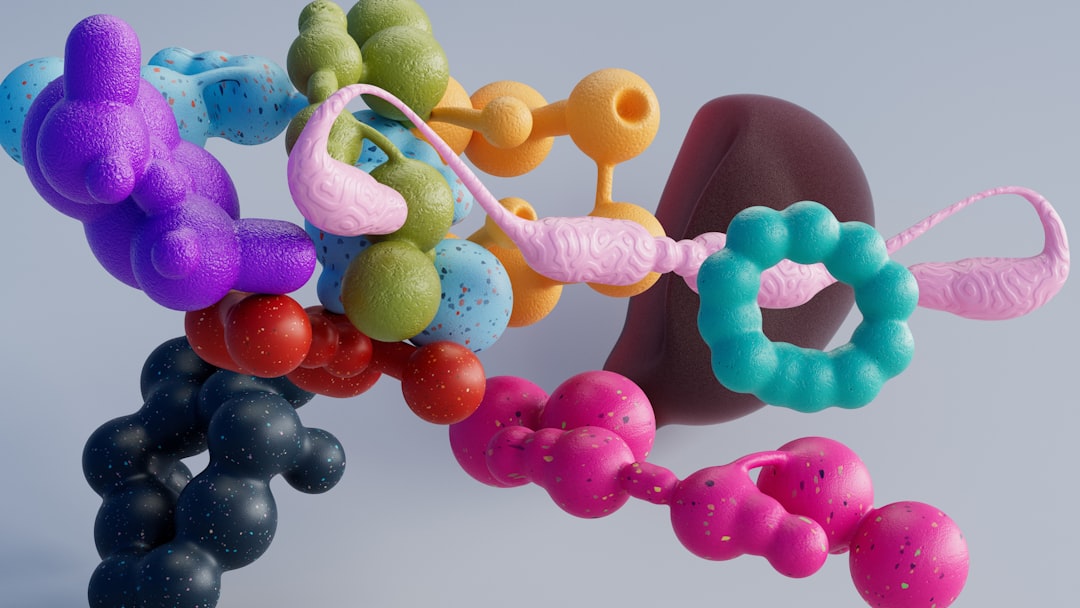
Moreover, the amino acid sequence of Cbybxrf shows a high degree of evolutionary conservation, especially among vertebrates and select high-functioning invertebrates. This strongly indicates its foundational role in both primitive and complex biological systems.
Modern Applications of Cbybxrf
Through growing interest in proteomics and molecular engineering, Cbybxrf has transitioned from being a mere cellular component to an actively utilized tool in various high-tech sectors.
1. Medical Diagnostics
Cbybxrf has shown the ability to bind with distinct biomarker molecules in certain disease conditions. For example, there are ongoing studies investigating its potential to detect early-stage neurodegenerative disorders through cerebrospinal fluid assays, due to its affinity to neural amyloid precursors.
2. Synthetic Biology and Engineering
In the field of synthetic biology, Cbybxrf is being harnessed as a framework for building biomolecular switches. These “bio-switches” operate on the principle of conformational change, wherein environmental triggers such as pH or temperature enable or disable gene expression.
Image not found in postmetaThis not only allows for fine-tuned genetic control in research models but also holds promise for smart therapeutics that respond to patient-specific parameters in real-time.
3. Computational Modeling and AI Integration
Recent breakthroughs in machine learning have opened new gateways for simulating the behavior of molecules like Cbybxrf. Using deep neural networks trained on empirical data, researchers are able to predict how Cbybxrf might interact with other compounds or environmental conditions.
These virtual models assist in drug discovery, toxicity screening, and the development of novel biosensors powered by responsive protein structures.
Challenges and Ethical Considerations
Despite its multifaceted utility, studying and deploying Cbybxrf is not without challenges. In particular:
- Structural Variability: Its flexible structure, while beneficial, makes it difficult to create stable modifications or anchors in lab environments.
- Data Deficiency: Despite decades of research, much of the knowledge about Cbybxrf is dispersed and often classified under different molecular studies, preventing centralized data collection.
- Ethical Dilemmas: In synthetic biology applications, particularly those altering genetic expressions, regulatory concerns about long-term safety and bioethics have emerged.
A responsible and well-monitored framework is essential when integrating Cbybxrf into any therapeutic or consumer-facing application.
Future Prospects
Scientifically, the next frontiers involve locating Cbybxrf analogs in lesser-studied life forms, particularly extremophiles. Understanding how it adapts in such extreme environments could open new avenues in aerospace biology and deep-sea biotechnology.
In the commercial domain, wearable medical devices that use real-time protein interaction sensors — possibly incorporating lab-modified versions of Cbybxrf — are already under prototype development.
Conclusion
Cbybxrf represents a fascinating intersection of biology, technology, and innovation. Its highly adaptive nature, coupled with its critical functions at cellular and systems levels, highlights its relevance across disciplines. With proper research standards and ethical boundaries in place, Cbybxrf is poised to be a key biomolecular tool in the not-so-distant future.
FAQ: Frequently Asked Questions
-
Q: Is Cbybxrf a naturally occurring protein?
A: Yes, Cbybxrf is naturally occurring in several biological organisms, although its identification might be under varied nomenclature depending on the research context. -
Q: What is the main function of Cbybxrf?
A: It serves both structural and regulatory roles within cells, participating in signaling pathways and maintaining structural integrity. -
Q: How is Cbybxrf used in modern technology?
A: It is used in medical diagnostics, synthetic biology applications like gene switch frameworks, and in computational models for drug and material design. -
Q: Is Cbybxrf safe to manipulate in laboratory environments?
A: Generally, yes — provided ethical standards and biosafety protocols are strictly followed, especially when applying it in genetic contexts. -
Q: Can Cbybxrf be synthetically engineered?
A: Advanced labs have begun successful engineering of Cbybxrf variants to enhance specific properties like binding affinity or stability, although this remains a developing area.