


Finding the best social media schedule is no longer a matter of intuition or guesswork. As platforms evolve, algorithms reward consistency, relevance, and timing, making a well-structured posting plan a critical asset for brands and professionals alike. A clear schedule helps teams publish with purpose, maintain quality standards, and meet audiences exactly when they are most receptive.
TLDR: A strong social media schedule aligns posting times, content types, and platform behavior to maximize reach and engagement. Using proven templates saves time, ensures consistency, and reduces strategic mistakes. The best schedules are data-driven, flexible, and adapted to each platform’s audience habits. Regular review and adjustment are essential to long-term success.
Why a Social Media Schedule Matters
A social media schedule is more than a calendar of posts; it is a strategic framework that aligns content goals with audience behavior. Without a defined schedule, brands often post irregularly, duplicate content across platforms, or miss peak engagement windows.
Consistent scheduling delivers several key benefits:
- Improved engagement: Posting at optimal times increases visibility and interaction.
- Brand reliability: Audiences learn when to expect new content.
- Operational efficiency: Teams plan ahead instead of reacting daily.
- Performance tracking: Regular patterns make analytics more meaningful.
In competitive spaces, brands with disciplined schedules tend to outperform those relying on sporadic posting.
Core Elements of an Effective Social Media Schedule
Before exploring templates, it is important to understand the components that make a schedule effective. These elements apply regardless of industry or platform.
Content Mix
A balanced schedule includes varied content formats. Overemphasis on promotion often leads to disengagement.
- Educational or informative posts
- Engagement-driven content such as polls or questions
- Brand storytelling and behind-the-scenes updates
- Promotional or conversion-focused posts
Posting Frequency
Frequency must match platform norms and audience tolerance. Posting too often can cause fatigue, while posting too rarely reduces visibility.
Timing and Consistency
Consistency creates familiarity. Timing ensures that posts appear when users are actively browsing rather than hours later.

Best Social Media Schedule Templates
Templates provide structure without limiting creativity. Below are some of the most effective scheduling templates used by high-performing teams.
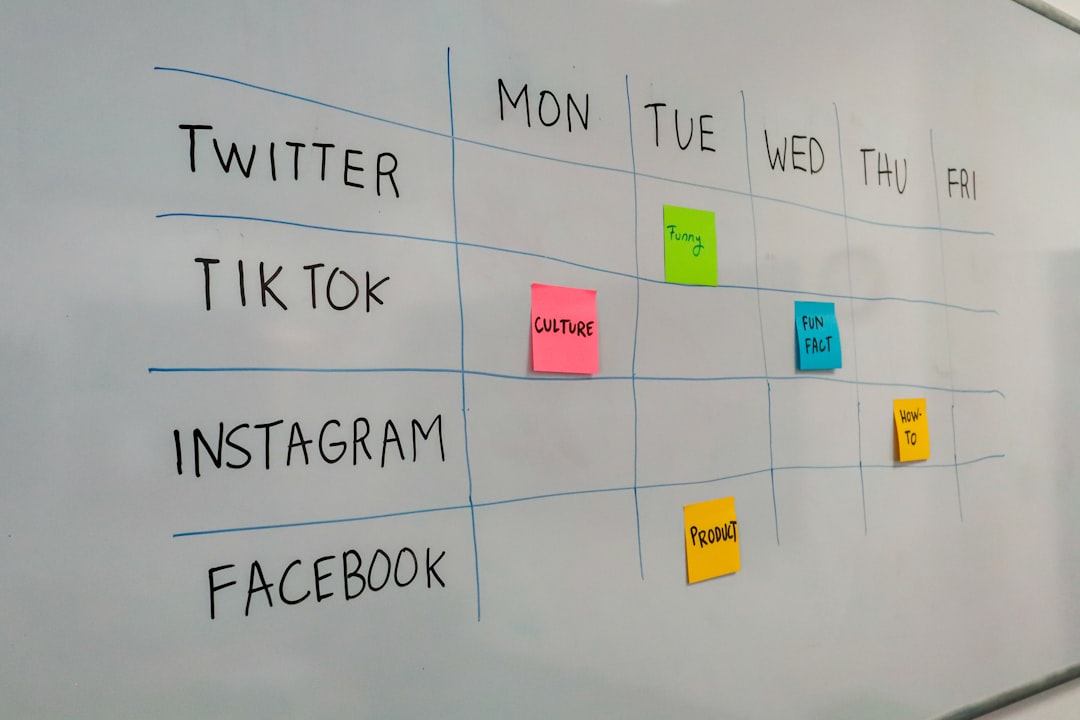
Weekly Content Planning Template
This template focuses on short-term organization and works well for fast-moving brands.
- Monday: Educational or industry insight
- Tuesday: Engagement content such as questions or polls
- Wednesday: Brand story or case study
- Thursday: Promotional or lead-generation post
- Friday: Community spotlight or lighter content
This structure ensures variety while maintaining a predictable rhythm.
Monthly Campaign-Based Template
Ideal for product launches or themed campaigns, this template plans content around a single objective.
- Week 1: Awareness and problem identification
- Week 2: Education and value demonstration
- Week 3: Social proof and testimonials
- Week 4: Conversion and call to action
This approach aligns messaging across platforms without repetition.
Platform-Specific Daily Template
This template recognizes that each platform serves a different purpose:
- LinkedIn: 3–5 posts per week, business hours
- Instagram: 5–7 posts per week, visual storytelling focus
- X (Twitter): Multiple daily posts, real-time interaction
- Facebook: 3–4 posts per week, community-driven content
Best Times to Post by Platform
While exact timing varies by audience, industry data provides reliable starting points. These benchmarks should be refined through analytics.
Best times are typically within business hours:
- Tuesday to Thursday
- Between 8:00–10:00 AM and 1:00–3:00 PM
Engagement peaks when users take breaks:
- Monday to Friday
- 11:00 AM–1:00 PM and evenings after 6:00 PM
Midday posting often performs best:
- Wednesday and Thursday
- 12:00–2:00 PM
X (Twitter)
Real-time consumption favors high frequency:
- Weekdays
- Morning commutes and early afternoons
These times should be treated as baselines, not universal rules.
Tools That Support Scheduling and Consistency
Using professional tools strengthens execution and reporting. Reliable scheduling software also reduces human error.
- Content calendars: Visual planning across weeks or months
- Automation tools: Scheduled publishing and queue systems
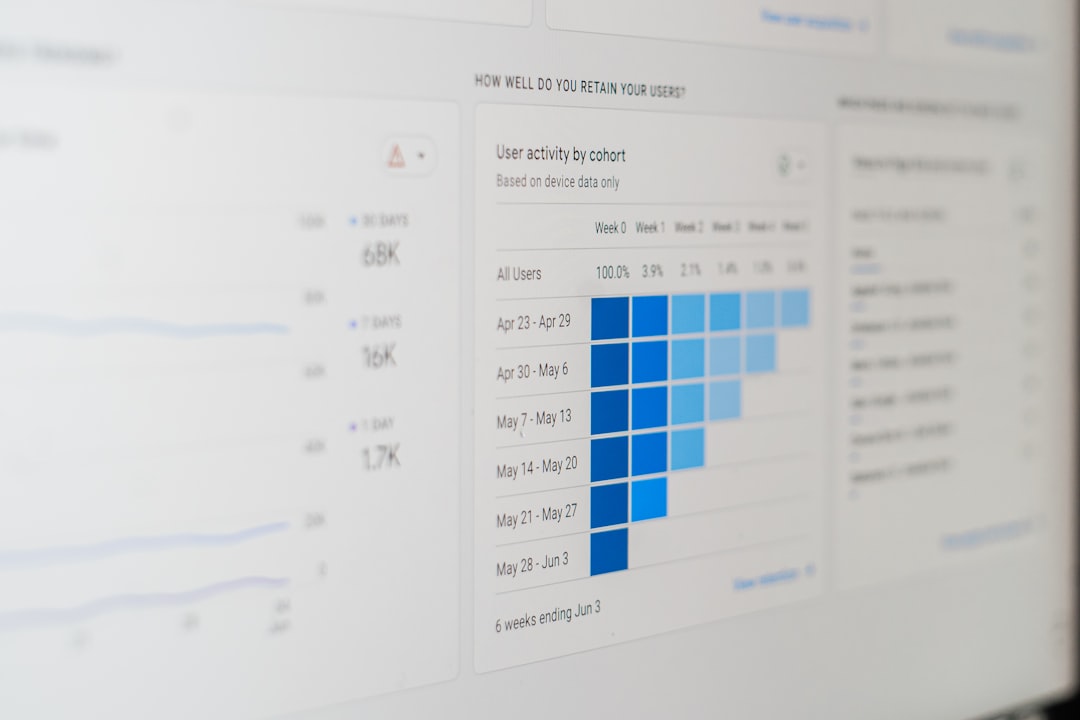
- Analytics dashboards: Engagement, reach, and conversion tracking
- Collaboration features: Approval workflows and role management
Well-integrated tools transform scheduling from a manual task into a strategic process.
Common Scheduling Mistakes to Avoid
Even with templates, execution errors can undermine results. Awareness of common mistakes helps maintain effectiveness.
- Posting identical content everywhere: Each platform has unique audience expectations.
- Ignoring analytics: Schedules should evolve based on performance data.
- Overloading the calendar: Quality declines when quantity is prioritized.
- Failing to adapt: Algorithms and audience behavior change regularly.
How to Refine Your Schedule Over Time
The best social media schedules are living frameworks. Regular reviews ensure alignment with objectives.
Recommended optimization steps include:
- Monthly performance reviews
- A/B testing different posting times
- Evaluating engagement by content type
- Adjusting frequency based on audience feedback
This iterative approach ensures long-term relevance and sustained growth.
Conclusion
A well-designed social media schedule is foundational to digital success. By using proven templates, respecting platform-specific behaviors, and committing to continuous optimization, brands position themselves for stronger engagement and consistent visibility. In an environment where attention is limited, disciplined scheduling remains one of the most reliable competitive advantages.