


Modern buyers expect personalized, timely, and relevant communication at every stage of their journey. That’s nearly impossible to deliver manually—especially at scale. Marketing automation tools solve this challenge by helping businesses capture leads, nurture them intelligently, and convert them into loyal customers with less manual effort and more precision.
TL;DR: Marketing automation tools streamline lead generation, nurturing, and conversion through email workflows, behavioral tracking, CRM integration, and AI-powered insights. Platforms like HubSpot, ActiveCampaign, Marketo, and others help businesses personalize communication and automate follow-ups at scale. The best tool for you depends on your budget, company size, and sales complexity. When used strategically, these tools significantly increase conversion rates while saving time.
Let’s explore the best marketing automation tools that help convert more leads—and what makes each one stand out.
What Makes a Great Marketing Automation Tool?
Before comparing specific platforms, it’s important to understand what separates a good tool from a great one. High-performing marketing automation platforms typically offer:
- Email workflow automation
- Lead scoring and segmentation
- CRM integration
- Behavior tracking and analytics
- Landing page and form builders
- AI-driven personalization
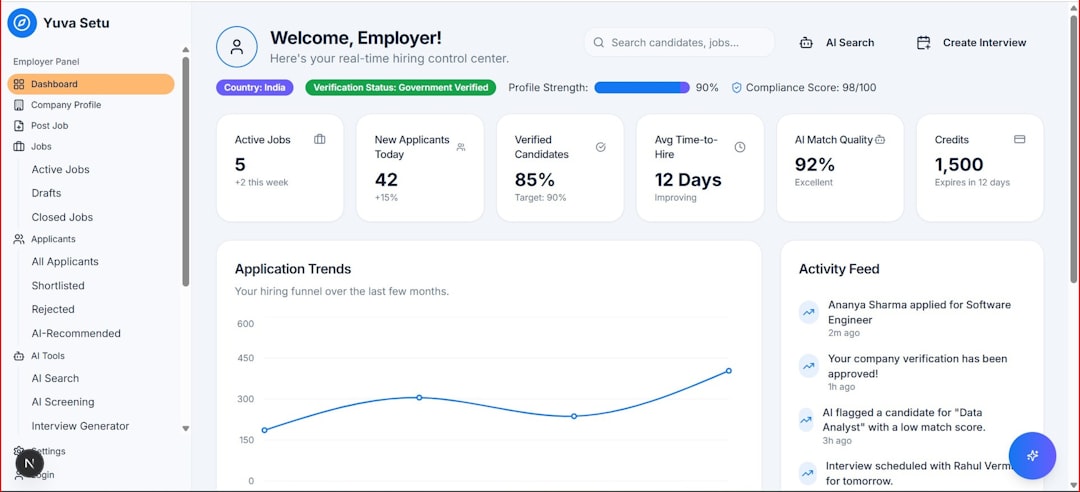
When these features work together seamlessly, businesses can guide leads through the funnel automatically—triggering the right messages at the right time.
Top Marketing Automation Tools Compared
| Tool | Best For | Key Strength | Starting Price |
|---|---|---|---|
| HubSpot | All-in-one marketing & sales teams | Integrated CRM + automation | Free basic plan available |
| ActiveCampaign | Advanced email automation | Powerful workflow builder | Affordable entry tier |
| Marketo | Enterprise businesses | Deep analytics & scalability | Custom pricing |
| Mailchimp | Small businesses | Easy email automation | Free limited plan |
| Pardot | B2B companies | Salesforce integration | Premium pricing |
| GetResponse | Ecommerce & webinars | Conversion funnels | Mid-range pricing |
1. HubSpot Marketing Hub
HubSpot is one of the most comprehensive marketing automation platforms available. It combines CRM, email marketing, lead tracking, landing pages, live chat, and analytics into one ecosystem.
Why it converts well:
- Built-in CRM with complete lead visibility
- Behavior-triggered workflows
- Powerful lead scoring system
- Detailed attribution reporting
HubSpot excels at aligning marketing and sales teams, ensuring that leads are nurtured until they’re truly sales-ready. Its user-friendly interface makes sophisticated automation accessible—even for beginners.
2. ActiveCampaign
If email automation is your primary focus, ActiveCampaign is a top contender. Its visual workflow builder allows you to create highly customized sequences based on user behavior.
Notable features include:
- Advanced segmentation
- Dynamic content personalization
- Predictive sending powered by AI
- Integrated CRM functionality

ActiveCampaign’s ability to send targeted messages based on granular behavior—like page visits or email clicks—makes it exceptionally effective at increasing conversions.
3. Marketo (Adobe Marketo Engage)
Marketo is built for enterprise-level operations that require complex automation and deep analytics. While it has a steeper learning curve, its capabilities are incredibly robust.
Best suited for:
- Large B2B organizations
- Multi-channel campaigns
- Account-based marketing strategies
Its strength lies in sophisticated lead lifecycle modeling, predictive content, and detailed performance tracking—helping companies move high-value prospects through longer sales cycles.
4. Mailchimp
While traditionally known for email marketing, Mailchimp has evolved into a capable marketing automation platform for small and growing businesses.
Benefits include:
- Beginner-friendly interface
- Pre-built automation templates
- Ecommerce integration
- Affordable pricing tiers
Mailchimp works especially well for businesses just getting started with automation. Though less advanced than enterprise tools, it provides enough functionality to significantly boost engagement and conversions.
5. Pardot (Marketing Cloud Account Engagement)
Pardot, part of the Salesforce ecosystem, is designed specifically for B2B marketers. Its seamless Salesforce integration makes it ideal for companies heavily reliant on CRM-driven sales processes.
Key strengths:
- Sales-marketing alignment
- Advanced lead nurturing programs
- ROI reporting tied to revenue
- Account-based marketing tools
For companies with complex sales pipelines, Pardot provides deep insights into how marketing efforts directly influence closed deals.
6. GetResponse
GetResponse stands out for combining marketing automation with webinar hosting and sales funnel tools. It’s particularly useful for ecommerce brands and digital entrepreneurs.

Its standout features include:
- Conversion funnel builder
- Autoresponder sequences
- Webinar integration
- Advanced list management
This makes it an excellent option for businesses that rely on educational content and events to drive lead conversion.
How Marketing Automation Improves Lead Conversion
Marketing automation isn’t just about saving time—it directly impacts revenue. Here’s how:
1. Personalization at Scale
Automated systems analyze behavioral data—pages viewed, emails opened, links clicked—and deliver tailored content in response. Relevant messaging builds trust and increases purchase intent.
2. Consistent Follow-Up
Studies show that most leads require multiple touchpoints before converting. Automation ensures no opportunity slips through the cracks.
3. Lead Scoring
By assigning points to user behaviors, teams can prioritize high-intent prospects and focus sales efforts where they matter most.
4. Data-Driven Optimization
Real-time analytics reveal what’s working and what’s not—allowing teams to continuously refine campaigns for better performance.
How to Choose the Right Tool for Your Business
With so many options available, selecting the right platform depends on:
- Company size: Startups may prefer Mailchimp or GetResponse, while enterprises often choose Marketo or Pardot.
- Budget: Pricing varies widely across platforms.
- Sales complexity: B2B organizations benefit from deep CRM integration.
- Technical expertise: Some tools require advanced setup and management.
Before committing, take advantage of free trials and demos. Map your customer journey and identify automation points that will have the biggest impact on conversion.
Final Thoughts
The right marketing automation tool can transform how businesses capture, nurture, and convert leads. Whether you’re a startup seeking simple email sequences or an enterprise requiring complex multi-channel orchestration, there’s a platform built for your needs.
HubSpot provides a powerful all-in-one solution, ActiveCampaign excels in advanced email workflows, Marketo dominates enterprise marketing, Mailchimp makes automation accessible, Pardot shines in B2B environments, and GetResponse bridges automation with sales funnels and webinars.
Ultimately, success doesn’t come from the software alone—it comes from strategy. Combine a strong automation platform with compelling content, clear customer journeys, and continuous optimization, and you’ll build a predictable system that consistently converts more leads into loyal customers.