

Artificial intelligence is no longer just a buzzword reserved for tech professionals; it has become a powerful companion for anyone who wants to learn faster, smarter, and more effectively. From mastering a new language to developing advanced programming skills or creative abilities, AI-driven tools are reshaping how people build expertise. What once required expensive courses or years of trial and error can now be supported by adaptive systems that guide learners step by step, from beginner to professional level.
TLDR: AI-powered learning tools personalize education, adapt to skill levels, and provide instant feedback to accelerate growth. Beginners benefit from guided, structured support, while advanced learners gain insights through analytics and simulations. These tools save time, reduce frustration, and make practice more engaging. Used wisely, AI becomes a coach, mentor, and assistant all in one.
Why AI Is Changing the Way We Learn
Traditional learning models often assume that everyone progresses at the same pace, but real learners do not. Some grasp concepts quickly, others need repeated examples, and many fall somewhere in between. AI systems excel because they adapt. By analyzing behavior, performance, and preferences, they can adjust content difficulty, recommend next steps, and even change teaching style.
For example, an AI-powered learning platform might detect that you struggle with a particular concept and automatically provide extra exercises, explanatory videos, or simplified explanations. Instead of forcing you forward or holding you back, the system meets you exactly where you are.

Getting Started: AI Tools for Beginners
For beginners, the biggest obstacle is often overwhelm. There is too much information and no clear starting point. AI helps by offering structured learning paths that break complex skills into manageable steps.
- Interactive tutorials that respond to user input in real time.
- Chat-based tutors that answer questions in plain language.
- Gamified learning that turns early practice into rewarding challenges.
Language learning apps, for instance, use AI to adjust vocabulary difficulty, track pronunciation errors, and revisit words you are likely to forget. Coding platforms analyze your mistakes and suggest targeted fixes instead of generic hints. This level of personalization keeps beginners motivated and reduces early frustration.
Practice Makes Progress: Building Consistency With Smart Feedback
Once the basics are in place, consistent practice becomes the key to improvement. AI excels at providing immediate feedback, something that was once only available through human tutors. Whether you are writing an essay, practicing design, or solving math problems, AI tools can evaluate your work instantly.
This feedback loop accelerates learning in three important ways:
- Speed: You do not have to wait days or weeks for evaluation.
- Specificity: Feedback is tied directly to your actions, not generic advice.
- Reflection: Learners can immediately correct mistakes and try again.
Over time, this creates a rhythm of practice and improvement that helps learners stay engaged and track progress in a meaningful way.
From Intermediate to Advanced: AI as a Skill Accelerator
At the intermediate stage, learners often hit a plateau. The fundamentals are solid, but progress feels slower. This is where AI becomes an accelerator rather than just a guide. Advanced analytics can uncover patterns you might not notice on your own, such as recurring weaknesses or inefficient habits.
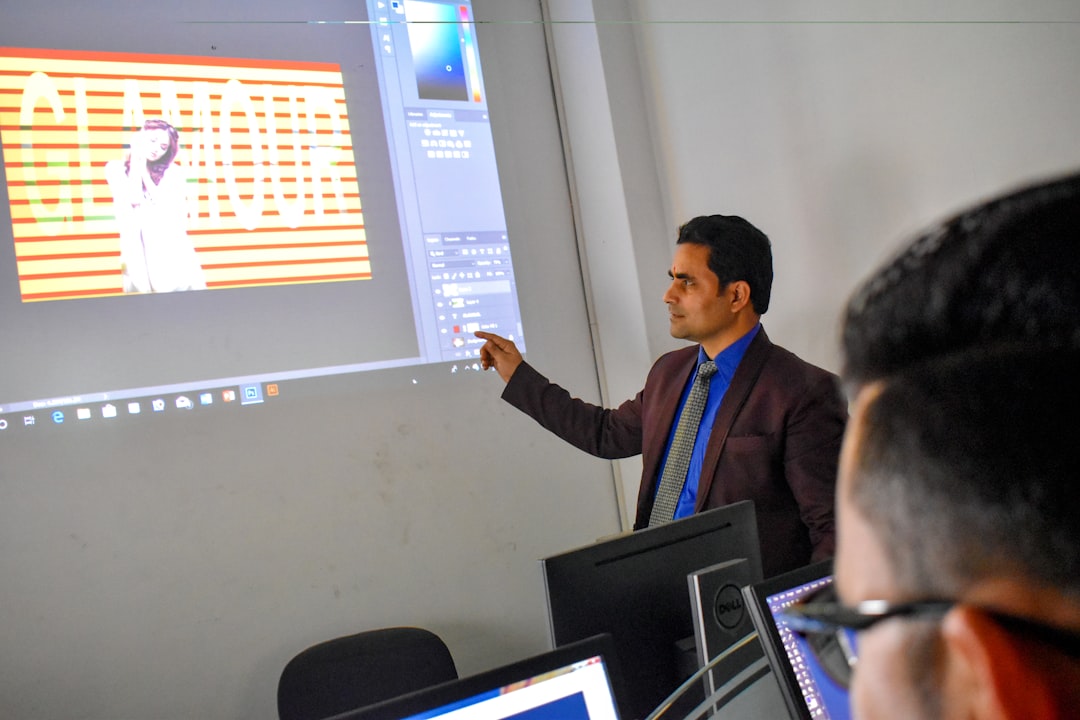
AI tools can simulate real-world scenarios, offering safe environments to experiment and fail. For example, business learners can practice negotiations with AI-driven simulations, while developers can test code in complex virtual systems. These experiences mimic professional challenges without real-world consequences, building confidence and competence simultaneously.
Learning by Doing: Creative and Practical Skills
AI is not limited to academic or technical subjects. Creative professionals are increasingly using smart tools to build skills in writing, music, design, and video production. Rather than replacing creativity, AI acts as a collaborator.
- Writers receive style suggestions and clarity feedback.
- Designers explore layout and color variations instantly.
- Musicians experiment with composition and sound patterns.
By automating repetitive tasks and offering intelligent suggestions, AI frees learners to focus on decision-making and originality. This makes the learning process both faster and more enjoyable.
Personalized Learning Paths Toward Mastery
One of the most powerful features of AI-driven education is the idea of a personalized learning journey. Instead of following a fixed syllabus, learners move through content based on goals, performance, and interests.
For example, someone learning data science might focus more on statistics, while another emphasizes visualization or machine learning. AI systems can recommend resources, projects, and challenges aligned with these preferences, ensuring that time spent learning directly supports personal ambitions.
This personalization also helps professionals upskill efficiently, targeting gaps rather than revisiting material they already know.
Combining Human Insight With Artificial Intelligence
Despite its strengths, AI works best when paired with human insight. Mentors, instructors, and peers provide emotional support, ethical guidance, and real-world experience that machines cannot fully replicate. The ideal model blends AI efficiency with human wisdom.

In this hybrid approach, AI handles personalization, feedback, and data analysis, while humans focus on inspiration, motivation, and complex judgment. Together, they create a learning environment that is both scalable and deeply personal.
Challenges and Responsible Use of AI in Learning
While AI for skill building offers immense potential, it also raises important considerations. Overreliance on automation may reduce critical thinking if learners accept suggestions without reflection. Privacy concerns also arise when systems collect detailed learning data.
To use AI responsibly:
- Stay curious and question AI recommendations.
- Balance automation with independent problem-solving.
- Choose platforms that are transparent about data use.
Used mindfully, AI remains a powerful assistant rather than a crutch.
The Future: Lifelong Learning With Intelligent Support
As industries evolve faster than ever, skill building is no longer a one-time event but a lifelong process. AI makes continuous learning feasible by fitting into daily routines and professional workflows. Short lessons, adaptive challenges, and on-demand support turn learning into an ongoing habit.
From beginner curiosity to professional mastery, AI-driven tools provide structure, feedback, and motivation at every stage. They do not replace effort or ambition, but they amplify them. In a world where change is constant, AI-powered skill building may be one of the most valuable allies learners can have.