

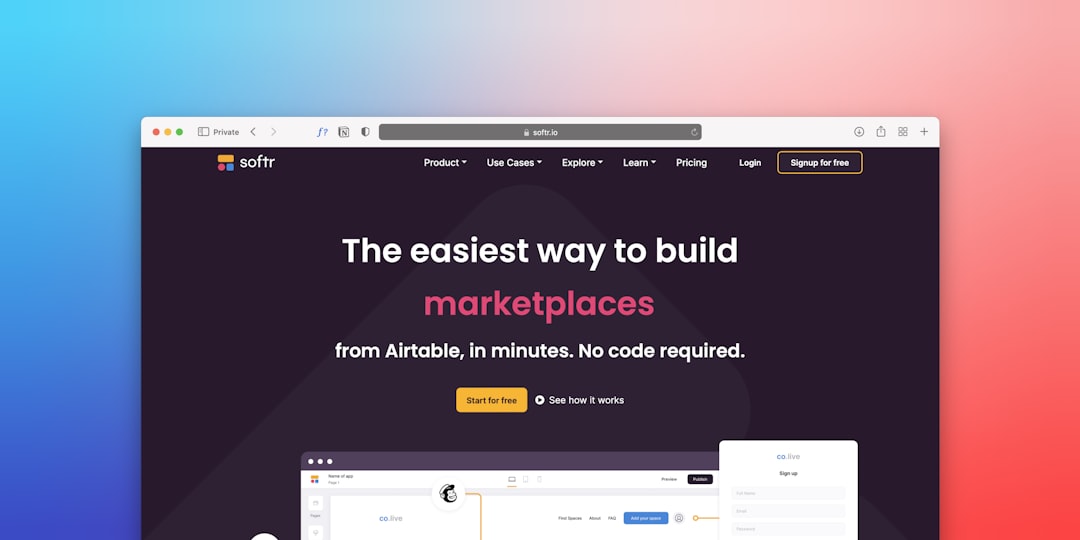
No-code website builders have dramatically changed how designers, founders, marketers, and creators launch their ideas online. While Framer has emerged as a powerful visual design and publishing tool, it’s not the perfect fit for everyone. Whether you’re looking for deeper eCommerce functionality, stronger CMS features, better pricing, or an easier learning curve, there are excellent alternatives worth considering. Below, we explore seven of the best Framer alternatives for no-code website design and what makes each stand out.
TLDR: Framer is powerful, but it’s not the only option for building modern websites without code. Platforms like Webflow, Wix Studio, Squarespace, Webstudio, Carrd, Bubble, and Dorik each offer unique strengths — from advanced CMS tools to ultra-simple landing pages and full web app builders. The right choice depends on your project’s complexity, budget, and design flexibility needs. Review the comparison chart below for a quick overview before diving deeper.
Why Look for a Framer Alternative?
Framer is excellent for interactive, visually rich websites with advanced animation capabilities. However, users often seek alternatives for reasons such as:
- More affordable pricing tiers
- Stronger eCommerce support
- More robust backend logic
- Simpler drag-and-drop functionality
- Greater SEO control
Here are seven strong contenders that might better suit your needs.
1. Webflow
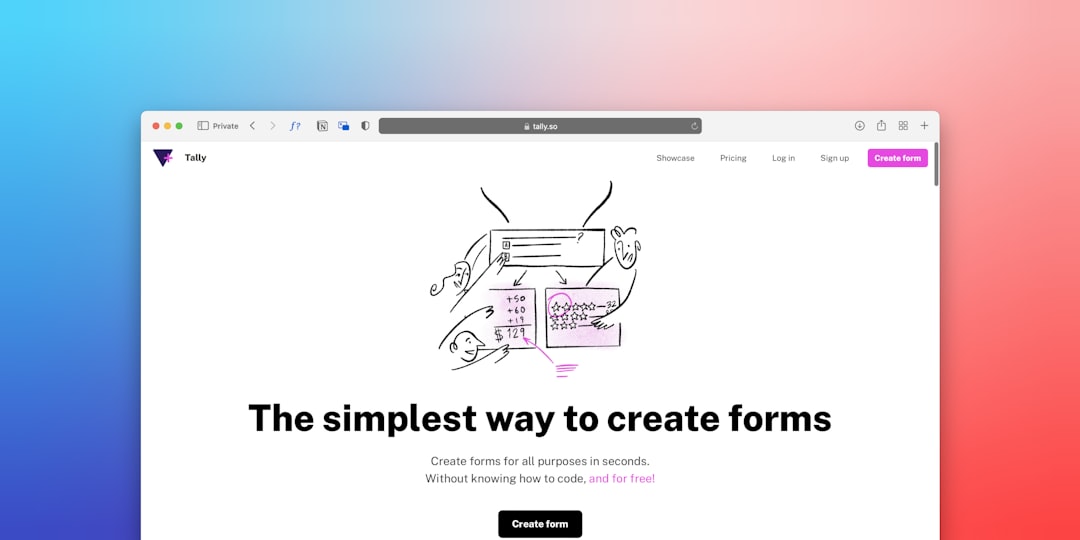
Best for: Professional designers who want pixel-perfect control.
Webflow is often considered the closest competitor to Framer in terms of design sophistication. It combines a visual builder with structured layout control, allowing you to design with near front-end precision — without writing code.
Key Features:
- Advanced responsive design controls
- Powerful CMS for dynamic content
- Robust SEO settings
- eCommerce functionality
- Custom interactions and animations
Why choose Webflow over Framer? If you need deeper CMS capabilities or more enterprise-ready hosting features, Webflow may be the stronger choice. It is particularly appealing for agencies and larger content-driven sites.
2. Wix Studio
Best for: Designers who want flexibility with ease of use.
Wix Studio (formerly Editor X) has evolved into a serious platform for modern web design. It blends true drag-and-drop simplicity with responsive layout controls and a large ecosystem of apps.
Highlights:
- Intuitive visual builder
- Built-in CRM and business tools
- AI-assisted design features
- Strong app marketplace
Compared to Framer, Wix Studio offers a more beginner-friendly environment while still enabling advanced customization. It’s especially useful for service businesses and small-to-medium companies.
3. Squarespace
Best for: Creatives, solopreneurs, and small businesses.
Squarespace is known for beautifully designed templates and a polished editing experience. While it doesn’t offer the same level of animation or layout freedom as Framer, it excels in simplicity and aesthetics.
Standout Features:
- Elegant, professional templates
- Integrated blogging and eCommerce
- Reliable hosting and security
- Simple analytics tools
If your goal is to launch a stylish website quickly — without worrying about complex interactions — Squarespace is a strong and dependable alternative.
4. Webstudio
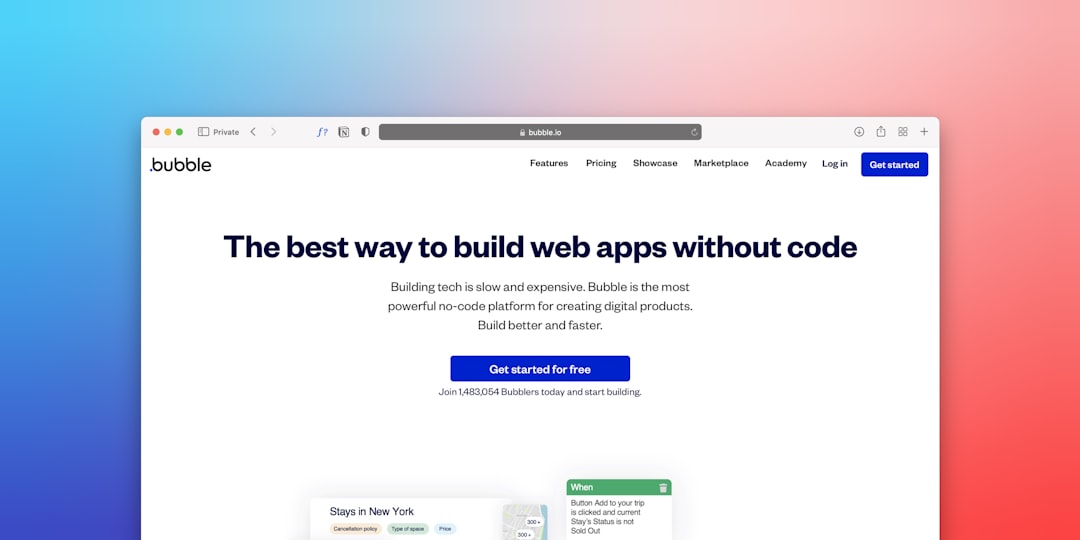
Best for: Open-source enthusiasts and advanced designers.
Webstudio is a newer player in the no-code space but has gained attention for being open source and highly flexible. It closely resembles Webflow in structure while allowing deeper customization for technical users.
Key Advantages:
- Open-source platform
- Self-hosting options
- Developer-friendly structure
- Strong design freedom
For users who want Framer-like control but prefer open infrastructure or self-hosting, Webstudio offers a compelling alternative.
5. Carrd
Best for: Simple landing pages and one-page sites.
Carrd focuses on simplicity. It is not meant for large-scale websites but excels at creating lightweight, responsive landing pages.
Why consider Carrd?
- Extremely affordable
- Quick setup
- Minimal learning curve
- Lightweight performance
If Framer feels too complex for a one-page portfolio, personal site, or product launch landing page, Carrd offers a streamlined and cost-effective solution.
6. Bubble
Best for: Building web apps without code.
Unlike many no-code website builders, Bubble focuses on full web applications. It allows users to create marketplaces, SaaS platforms, and member portals with backend workflows.
Major Features:
- Visual database builder
- Workflow automation
- User authentication
- API integrations
Framer is primarily a design-first website tool. If your project requires complex user logic or dynamic behavior, Bubble is a significantly more powerful option.
7. Dorik
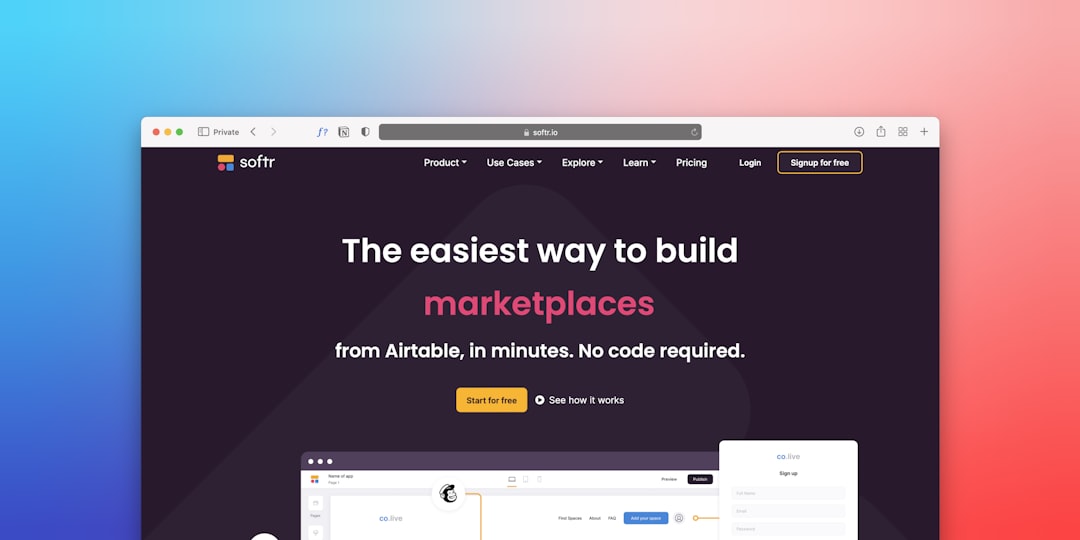
Best for: Affordable modern websites with ease.
Dorik combines affordability with a clean visual builder. It offers white-label options, built-in CMS, and decent customization without overwhelming beginners.
Top Benefits:
- Budget-friendly pricing
- Fast static site performance
- Clean UI
- White-label options for agencies
Dorik is a practical middle ground between Carrd’s simplicity and Webflow’s complexity.
Comparison Chart
| Platform | Ease of Use | Design Flexibility | Best For | Pricing Level |
|---|---|---|---|---|
| Webflow | Medium | Very High | Professional designers, agencies | Premium |
| Wix Studio | High | High | Businesses, freelancers | Mid-range |
| Squarespace | Very High | Moderate | Creatives, small businesses | Mid-range |
| Webstudio | Medium | Very High | Open-source users | Flexible |
| Carrd | Very High | Low to Moderate | Landing pages | Low |
| Bubble | Medium | High | Web apps, SaaS | Mid to Premium |
| Dorik | High | Moderate | Budget businesses | Affordable |
How to Choose the Right Alternative
When choosing a Framer alternative, consider these factors:
- Project complexity: Are you building a simple landing page or a full application?
- Design control: Do you need pixel-level layout precision?
- Budget: What monthly cost makes sense for you?
- Scalability: Will your website grow into something larger?
- Technical comfort: Do you prefer simplicity or advanced features?
For example, if you prioritize animation and modern design aesthetics, Webflow or Webstudio may feel familiar. If speed and affordability matter most, Carrd or Dorik could be ideal. For app-like features, Bubble clearly stands apart.
Final Thoughts
The no-code ecosystem is evolving rapidly. While Framer remains a visually impressive platform for interactive design, alternatives now cover nearly every possible website need — from ultra-simple personal pages to fully scalable SaaS products.
The best choice ultimately depends on your balance between design freedom, technical complexity, and business requirements. By evaluating the tools above and understanding their strengths, you can confidently select a platform that aligns with your goals and brings your digital vision to life — no coding required.