

In an increasingly data-driven business landscape, making marketing decisions without robust analytics is no longer viable. Organizations that grow sustainably share one common trait: they measure everything that matters. From understanding traffic sources to optimizing sales funnels and accurately calculating campaign ROI, leveraging the right analytics tools can mean the difference between scaling confidently and wasting budget. Choosing dependable platforms is not just about collecting data—it is about translating insights into profitable action.
TLDR: Monitoring traffic, optimizing sales funnels, and calculating campaign ROI require specialized analytics tools that go beyond surface-level metrics. The six platforms outlined below provide reliable tracking, visualization, attribution, and behavioral insights that marketers can trust. When used together, they deliver a comprehensive view of performance and profitability. Selecting the right combination depends on your business goals, technical resources, and data maturity.
Below are six must-have analytics tools that consistently prove their value across industries, from startups to enterprise organizations.
1. Google Analytics 4 (GA4)
Google Analytics 4 remains the foundation of most digital measurement strategies. It provides deep visibility into traffic acquisition, user behavior, engagement patterns, and conversion tracking across websites and mobile apps.
Unlike earlier versions, GA4 focuses on event-based tracking, allowing businesses to measure granular interactions such as scroll depth, clicks, file downloads, and video engagement. Its built-in machine learning also surfaces predictive metrics, including purchase probability and churn likelihood.
Key strengths:
- Comprehensive traffic source attribution
- Cross-device and cross-platform reporting
- Custom event tracking
- Native integration with Google Ads
For organizations seeking reliable traffic intelligence and conversion tracking, GA4 is indispensable. However, its interface and reporting complexity require proper configuration to unlock full value.
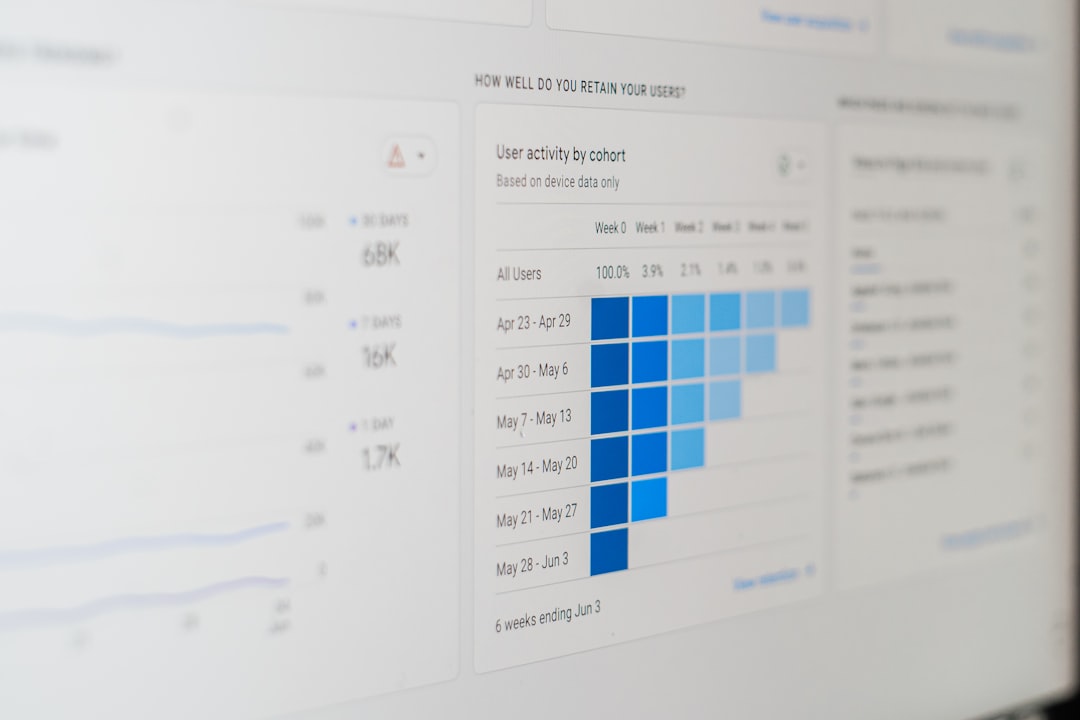
2. Adobe Analytics
Adobe Analytics is a powerful enterprise-level solution focused on advanced segmentation, attribution modeling, and predictive insights. It is particularly valuable for high-traffic websites and businesses with complex sales cycles.
This platform excels in:
- Deep customer journey analysis
- Customizable reporting structures
- AI-driven anomaly detection
- Integration within the Adobe Experience Cloud ecosystem
While implementation may require technical expertise, Adobe Analytics delivers exceptional flexibility. Organizations with mature marketing operations benefit from its capacity to analyze multi-touch attribution and personalize experiences at scale.
3. HubSpot Analytics
HubSpot Analytics combines marketing, sales, and CRM data into a unified view. It is particularly effective for monitoring sales funnels and aligning marketing initiatives with revenue outcomes.
Its closed-loop reporting links lead generation efforts directly to customers and revenue, offering clarity on which campaigns truly drive business growth.
Core capabilities include:
- Funnel performance tracking
- Lead source attribution
- Email and campaign analytics
- Revenue reporting dashboards
For businesses that prioritize inbound marketing and lead nurturing, HubSpot provides an integrated environment that ensures no handoff between marketing and sales goes unmeasured.
4. Mixpanel
Mixpanel specializes in product and user behavior analytics. It focuses on event-driven data, helping teams understand how users interact with specific features or touchpoints.
This makes Mixpanel especially valuable for SaaS companies and digital platforms seeking to optimize product-led growth strategies.
- Advanced cohort analysis
- Retention tracking
- Funnel drop-off visualization
- Behavior-based segmentation
By pinpointing exactly where users disengage within a funnel, Mixpanel enables precise optimization efforts. Instead of guessing why conversions stall, teams gain clear behavioral evidence.

5. Hotjar
Hotjar provides qualitative analytics that complement quantitative platforms like GA4. While traffic numbers tell you what is happening, Hotjar reveals why.
Through heatmaps, session recordings, and user feedback tools, businesses gain firsthand visibility into friction points within their funnels.
Valuable features:
- Click and scroll heatmaps
- User session recordings
- On-page surveys
- Conversion funnel visualization
When integrated with data from other analytics platforms, Hotjar enables more informed UX decisions that drive measurable conversion improvements.
6. Tableau
Tableau is a leading data visualization tool that transforms raw analytics into actionable dashboards. While not a primary data collection tool, it plays a critical role in synthesizing information from multiple sources.
Executives and stakeholders benefit from:
- Interactive dashboards
- Cross-platform data blending
- Advanced visual storytelling
- Real-time KPI monitoring
Tableau empowers organizations to create executive-ready reporting environments where campaign ROI, funnel progression, and traffic trends are immediately visible and understandable.

Comparison Chart
| Tool | Best For | Traffic Monitoring | Funnel Analysis | ROI Tracking | Ease of Use |
|---|---|---|---|---|---|
| Google Analytics 4 | Comprehensive web and app analytics | Excellent | Strong | Strong | Moderate |
| Adobe Analytics | Enterprise-level data analysis | Excellent | Advanced | Advanced | Complex |
| HubSpot Analytics | Marketing and sales alignment | Good | Excellent | Excellent | High |
| Mixpanel | Product and behavioral insights | Good | Excellent | Moderate | Moderate |
| Hotjar | UX and qualitative insights | Limited | Strong | Indirect | High |
| Tableau | Data visualization and reporting | Dependent on data source | Dependent on data source | Excellent (visualized) | Moderate |
How to Choose the Right Combination
No single tool can fully address traffic monitoring, funnel optimization, and ROI measurement on its own. Instead, strategic combinations often yield the strongest results.
For small to mid-sized businesses:
- GA4 for traffic and conversions
- Hotjar for UX insights
- HubSpot for CRM-aligned funnel tracking
For SaaS or product-first companies:
- GA4 for acquisition data
- Mixpanel for retention and feature engagement
- Tableau for executive reporting
For enterprise organizations:
- Adobe Analytics for deep segmentation
- Tableau for synthesized BI dashboards
- Supplementary UX analytics such as Hotjar
The key is alignment. Analytics platforms must reflect your sales process, customer journey complexity, and reporting cadence.
Why Accurate ROI Tracking Matters
Marketing budgets are under constant scrutiny. Executives demand measurable returns, and guesswork no longer satisfies stakeholders. Accurate ROI tracking ensures:
- Budget allocation toward high-performing channels
- Elimination of ineffective campaigns
- Clear accountability across teams
- Improved forecasting accuracy
When analytics tools integrate seamlessly with advertising platforms, CRM systems, and revenue data, organizations gain confidence in strategic decisions. Without this integration, even detailed traffic metrics can remain disconnected from actual profitability.
Final Thoughts
Trustworthy analytics infrastructure is not optional—it is foundational. Monitoring traffic provides visibility. Analyzing funnels creates optimization opportunities. Measuring campaign ROI ensures sustainable growth. Together, these processes create a closed, accountable marketing system.
The six tools outlined above have demonstrated reliability across industries and use cases. While implementation depth will vary based on organizational scale, investing in rigorous analytics capability consistently delivers superior outcomes. Businesses that measure intelligently compete intelligently.
In a market defined by rapid change and increasing competition, the ability to monitor, interpret, and act on performance data is not merely advantageous—it is essential.