

Urban life is evolving rapidly, and cities around the world are turning to smart technology to reduce congestion, improve sustainability, and enhance the daily commute. Metromsk stands at the forefront of this transformation, blending digital innovation with modern infrastructure to create a smoother, faster, and more efficient travel experience. By integrating data-driven systems, intelligent transport networks, and user-friendly applications, Metromsk is redefining how residents and visitors navigate city streets.
TLDR: Metromsk uses smart technology to make city travel faster, safer, and more convenient. Through real-time data tracking, AI-powered traffic management, mobile ticketing, and smart infrastructure, commuters experience reduced delays and streamlined journeys. Integrated transportation systems connect buses, trains, bikes, and pedestrians seamlessly. The result is a more sustainable, efficient, and user-focused urban mobility ecosystem.
The Rise of Smart Urban Mobility
Modern cities face growing challenges: population density, rising vehicle use, pollution, and limited infrastructure expansion space. Metromsk addresses these obstacles by adopting smart mobility solutions that rely on interconnected technologies.
Rather than simply adding more roads or vehicles, the city leverages:
- Internet of Things (IoT) sensors to monitor traffic flow
- Artificial intelligence systems for predictive congestion management
- Cloud-based platforms for public transport coordination
- Data analytics to optimize travel patterns
This digital backbone allows transportation authorities to anticipate problems before they escalate, ensuring smoother city travel.
Real-Time Traffic Management
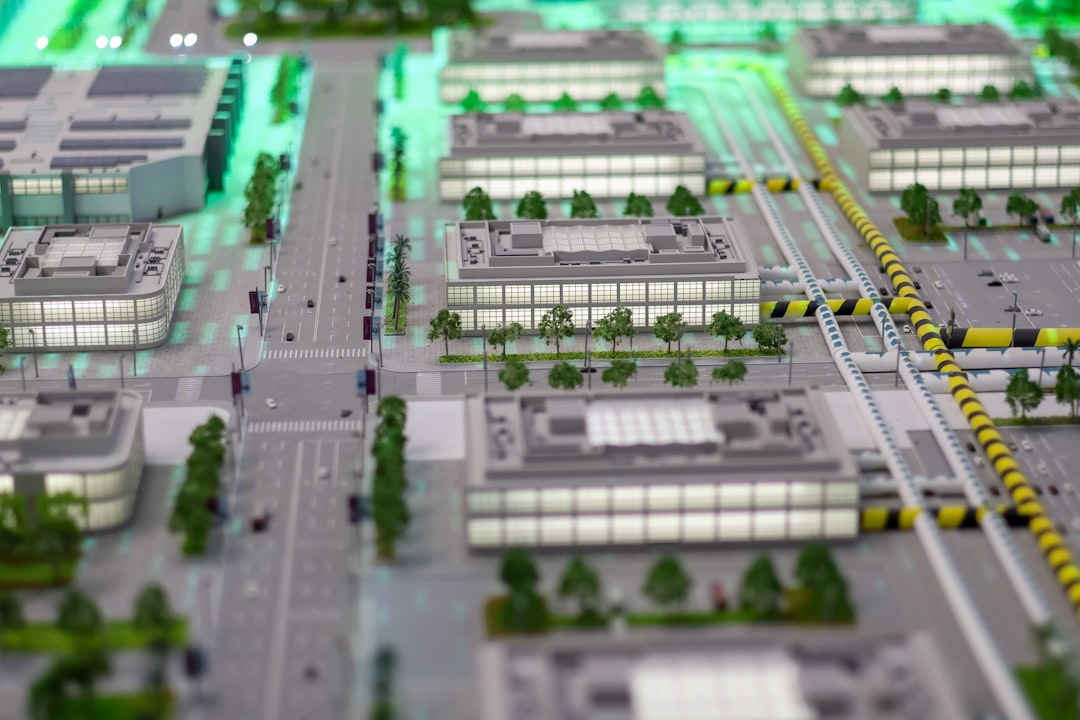
One of Metromsk’s most impactful innovations lies in its real-time traffic control systems. Across major intersections, traffic lights are equipped with adaptive signal technology. These signals adjust automatically based on live traffic conditions instead of following fixed timers.
For example:
- If congestion increases on one route, green light durations extend dynamically.
- If pedestrian density rises, crosswalk timing adjusts for safety.
- If emergency vehicles are detected, signals prioritize their passage.
The system uses predictive modeling to identify congestion patterns before they form. As a result, commute times have decreased, and bottlenecks are resolved faster. Drivers no longer face unnecessary idle time, and public buses maintain better schedule accuracy.
Integrated Public Transportation Networks
Metromsk’s smart travel initiative does not focus solely on private vehicles. In fact, the heart of the transformation lies in integrating all modes of public transportation into one seamless network.
Through a centralized digital platform, the following services are synchronized:
- Buses
- Metro lines
- Trams
- Bike-sharing programs
- Electric scooter rentals
Travelers can plan routes through a single mobile application that calculates optimal combinations of transport modes. The system accounts for traffic conditions, service disruptions, and real-time capacity levels.
By linking services under one digital umbrella, commuters benefit from:
- Reduced transfer wait times
- Unified ticketing systems
- Accurate arrival predictions
- More flexible route options
Contactless Payments and Smart Ticketing
Long queues for tickets are becoming a thing of the past in Metromsk. Smart ticketing systems enable riders to pay through:
- Mobile apps
- Contactless bank cards
- Digital wallets
- Wearable devices
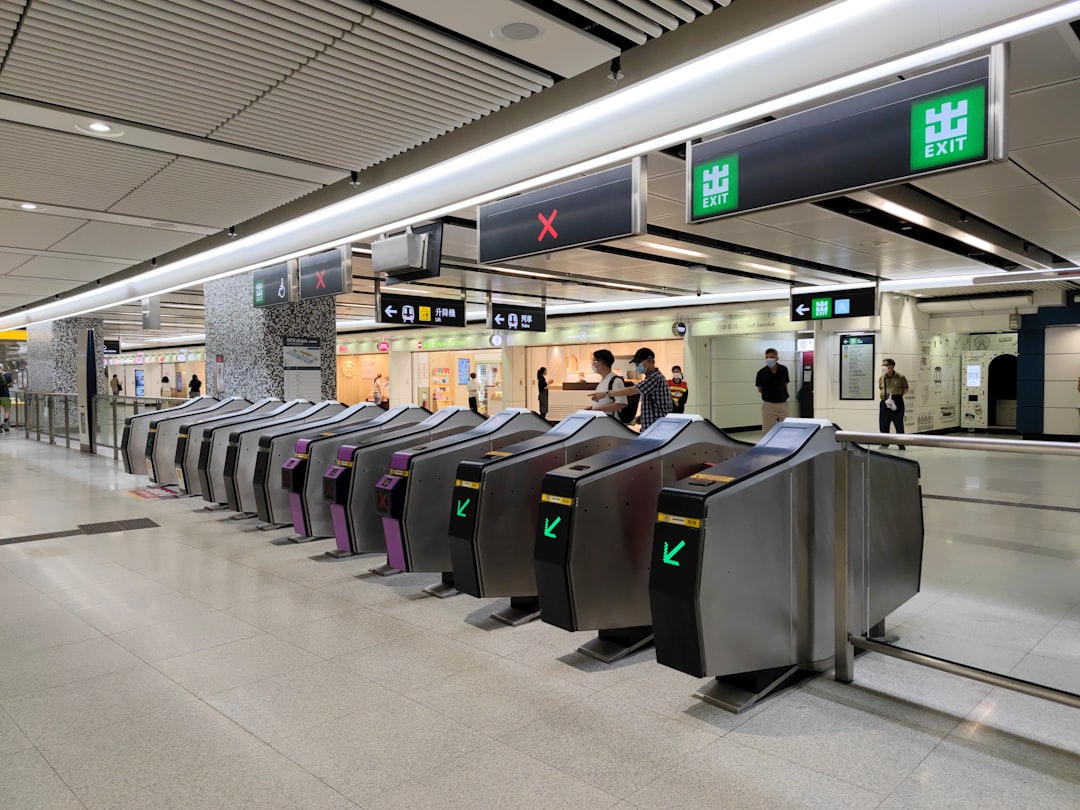
This technology reduces boarding times and prevents overcrowding at ticket machines. Additionally, riders receive instant digital receipts and automated expense tracking, improving convenience and transparency.
The ticketing platform also operates on a dynamic pricing model in certain areas. During off-peak hours, fares may decrease to encourage ridership distribution, helping balance system load.
AI-Powered Public Transport Optimization
Artificial intelligence plays a crucial role behind the scenes. AI systems analyze large volumes of historical and real-time data to:
- Adjust bus frequencies
- Predict maintenance needs
- Optimize train departure intervals
- Allocate additional vehicles during surge demand
For instance, during public events or unexpected weather changes, the system can anticipate spikes in commuter activity. Additional buses or trains are deployed proactively rather than reactively, minimizing delays.
This proactive management dramatically reduces travel uncertainties. Riders experience shorter waiting times and more reliable service consistency.
Smart Parking Solutions
Parking has long been a major contributor to urban congestion. Drivers circling city blocks searching for spaces increase both traffic and emissions. Metromsk addresses this through intelligent parking systems.
Sensors installed in parking spots detect occupancy in real time. Drivers can then:
- Use mobile apps to locate available spaces
- Reserve parking in advance
- Pay remotely without physical meters
The application even provides guided navigation directly to the selected space, reducing unnecessary driving. By streamlining parking, the city cuts down on wasted time and fuel consumption.
Sustainability Through Smart Infrastructure
Metromsk’s commitment to smart travel extends beyond efficiency—it prioritizes environmental impact. Sustainable features include:
- Electric bus fleets with automated charging stations
- Energy-efficient LED traffic systems
- Data-driven emission monitoring
- Green wave corridors to maintain steady vehicle flow
Green wave corridors synchronize traffic signals along major routes so vehicles moving at optimal speeds encounter consistent green lights. This reduces stop-and-go driving, lowering carbon emissions and fuel usage.
Combined with smart public transport incentives, these innovations encourage residents to shift from individual car usage to shared mobility solutions.
Enhanced Safety Through Smart Monitoring
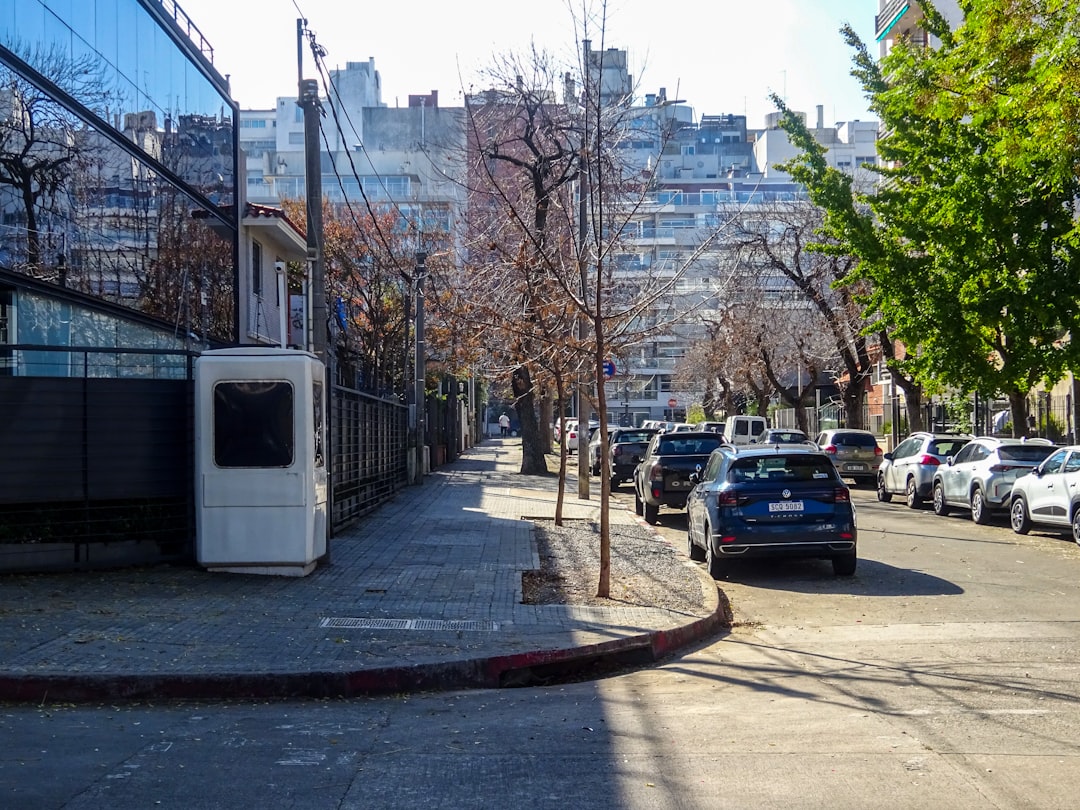
Safety remains a foundational priority. Metromsk integrates smart surveillance systems with AI-based analytics to monitor traffic violations and accident risks.
Key safety enhancements include:
- Automated detection of speeding vehicles
- Pedestrian path monitoring in high-traffic zones
- Collision risk alerts at dangerous intersections
- Emergency response coordination systems
When potential hazards are detected, alerts are sent instantly to traffic control centers. Emergency services can respond more quickly thanks to coordinated routing powered by predictive algorithms.
Data-Driven Urban Planning
Perhaps one of the most transformative aspects of Metromsk’s smart system is its ability to gather and analyze long-term mobility data. Anonymous commuter patterns reveal:
- Peak congestion hours
- Underserved transport areas
- Urban growth trends
- Pedestrian movement patterns
City planners use these insights to design better infrastructure projects, expand public transport coverage, and allocate funding effectively. Instead of relying on outdated surveys, decisions are grounded in real-time behavioral data.
User Experience at the Center
While technology drives the system, human convenience remains central. Applications are designed with intuitive interfaces, offering features such as:
- Personalized commute suggestions
- Accessibility-friendly navigation options
- Push notifications for service changes
- Multi-language support
This user-first design philosophy ensures that smart mobility serves everyone—from daily commuters to tourists.
The Future of Travel in Metromsk
Metromsk continues to innovate. Upcoming advancements are expected to include:
- Autonomous public transport trials
- Vehicle-to-infrastructure communication systems
- Blockchain-secured ticket validation
- Expanded smart pedestrian zones
These initiatives aim to make transportation even more responsive, transparent, and environmentally sustainable. As urban populations grow, the ability to adapt quickly through intelligent systems will remain critical.
Metromsk demonstrates that the future of city travel lies not in expanding physical infrastructure endlessly but in making smarter use of existing resources. Through coordination, data integration, and digital accessibility, the city sets a benchmark for modern urban mobility.
Frequently Asked Questions (FAQ)
-
What makes Metromsk’s transportation system “smart”?
Metromsk integrates IoT sensors, real-time data analytics, AI-driven traffic control, and unified digital platforms to optimize travel efficiency and improve user experience. -
How does real-time traffic management reduce congestion?
Adaptive signal systems respond dynamically to traffic conditions, adjusting light timings and prioritizing heavy traffic flows or emergency vehicles to reduce bottlenecks. -
Can commuters use one app for all transport modes?
Yes, Metromsk offers a centralized mobile platform that integrates buses, metro, trams, and shared mobility options with route planning and digital payment features. -
Is the smart system environmentally friendly?
Absolutely. Electric buses, optimized traffic flow, emission monitoring, and incentives for shared transport significantly reduce the city’s carbon footprint. -
How does smart parking benefit drivers?
Drivers can locate and reserve available parking spaces through real-time sensor data, reducing fuel consumption and time spent searching for parking. -
What role does artificial intelligence play?
AI analyzes traffic patterns, predicts demand surges, schedules transport frequencies, and supports maintenance planning, improving reliability and reducing delays. -
Is commuter data kept private?
Yes, mobility data is anonymized and aggregated for planning purposes, ensuring individual privacy while enabling better infrastructure decisions.
Through its dynamic ecosystem of interconnected systems, Metromsk provides a compelling model for how smart technology can transform the urban travel experience. By focusing on efficiency, sustainability, and user-centered innovation, the city continues to make daily commuting smarter and significantly easier.