

In an increasingly competitive marketplace, brand visibility is no longer a luxury—it is a necessity. For cafés, restaurants, corporate offices, event organizers, and retailers, coffee cups represent more than a simple beverage container. When sourced strategically and customized effectively, coffee cups wholesale can become powerful branding tools that reinforce identity, communicate values, and build long-term customer loyalty. Thoughtful customization transforms everyday drinkware into a consistent, mobile advertisement for your business.
TLDR: Custom coffee cups ordered wholesale offer a cost-effective and reliable way to strengthen brand recognition. Through strategic design, premium materials, and creative messaging, businesses can turn simple cups into memorable marketing tools. From seasonal campaigns to environmentally conscious branding, there are multiple ways to stand out. Investing in professional, cohesive cup branding enhances credibility and long-term visibility.
The Strategic Value of Wholesale Coffee Cup Branding
Wholesale purchasing provides two primary advantages: cost efficiency and consistency. Ordering in bulk reduces per-unit costs, enabling businesses to allocate resources toward higher-quality printing techniques or enhanced materials. At the same time, wholesale suppliers often ensure uniformity in production, which protects your brand integrity across locations and campaigns.
But beyond cost savings, coffee cups themselves hold unique marketing value:
- High visibility: Customers carry cups in public spaces, exposing your brand to new audiences.
- Repeated impressions: Regular buyers see your logo daily, reinforcing recall.
- Emotional association: Coffee rituals are personal; your branding becomes part of positive daily habits.
- Photogenic appeal: Well-designed cups often appear in social media posts.
With these benefits in mind, the question becomes not whether to brand wholesale coffee cups—but how to do so effectively and strategically.
1. Refined Logo Placement and Visual Hierarchy
Effective branding begins with disciplined design. Overcrowding a cup with graphics or excessive messaging dilutes its impact. Instead, establish a clear visual hierarchy:
- Primary focus: Your logo or brand name.
- Secondary element: A tag line or website.
- Supporting accents: Brand colors, subtle patterns, or textures.
Consider wrap-around designs for larger cups and centered, minimalist layouts for smaller formats. The curvature of the cup should enhance—not distort—your visual assets. Working with suppliers that provide digital proofs ensures accuracy before full production.
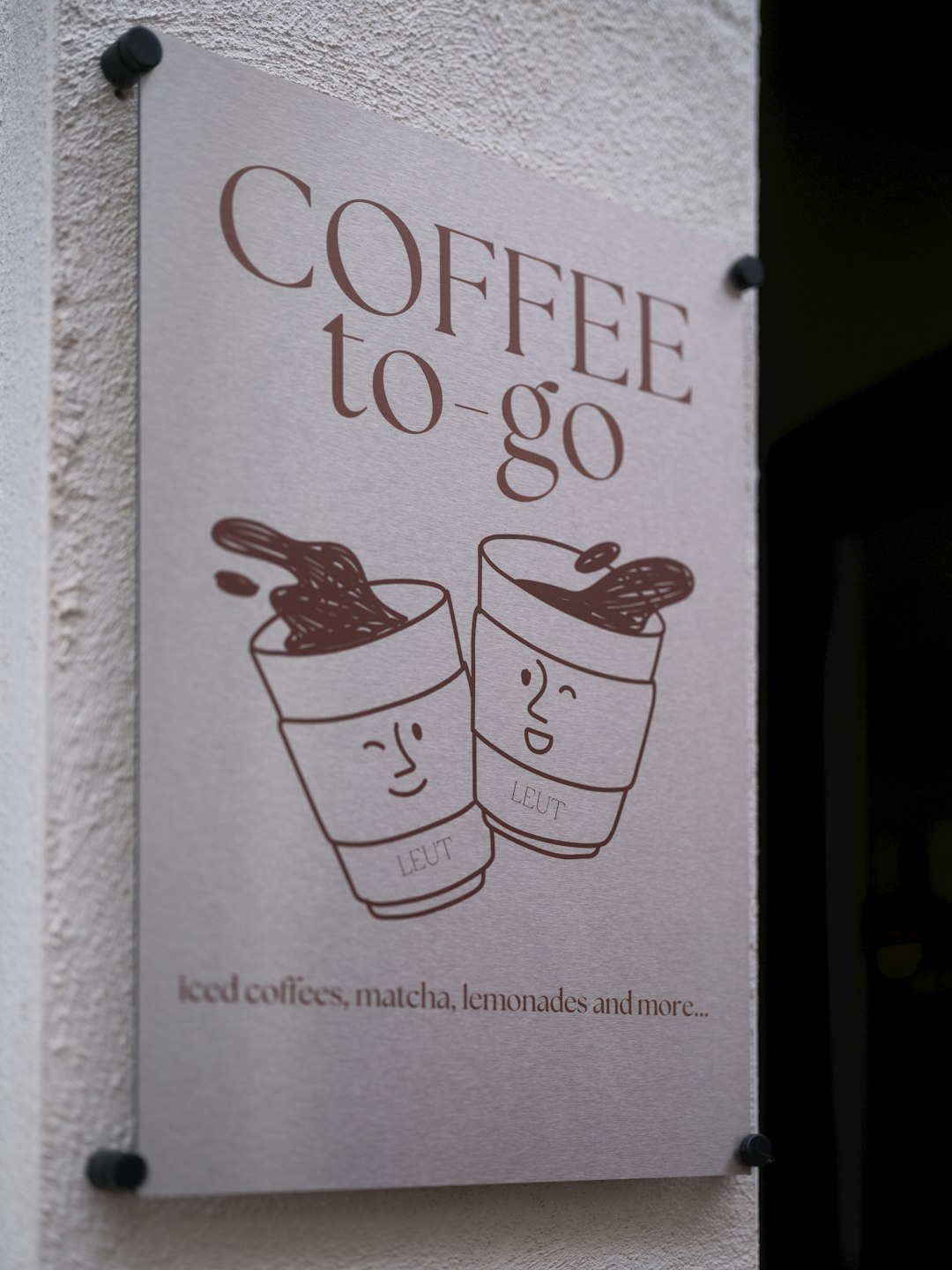
Professional printing techniques such as offset, flexographic, or digital printing can dramatically influence the perception of quality. Investing in high-resolution reproduction helps communicate reliability and professionalism.
2. Seasonal and Limited Edition Designs
Rotating cup designs seasonally creates anticipation and customer engagement. Limited edition editions encourage customers to share photos, increasing organic reach. For wholesale buyers, pre-planned seasonal runs allow cost control while introducing design variation.
Examples of seasonal executions include:
- Autumn: Warm tones and textured patterns.
- Winter: Festive or holiday-oriented themes.
- Spring: Fresh, minimalist floral elements.
- Summer: Vibrant, bold graphics or refreshing color palettes.
When executed with restraint, seasonal branding refreshes your visual identity while preserving recognition. Ensure the core logo remains consistent so customers always associate variations with your primary brand.
3. Values-Driven Messaging and Sustainability
Modern consumers increasingly evaluate brands based on ethical and environmental standards. Wholesale coffee cups offer a tangible way to signal corporate responsibility.
Consider integrating:
- Recyclable or compostable materials
- Water-based inks
- Eco-certification icons
- Short sustainability statements
However, authenticity is critical. Claims must be verifiable and accurate to avoid reputational risk. When sustainability functions as a genuine operational commitment rather than a marketing tactic, customers are more likely to develop trust and loyalty.
Image not found in postmetaAdding subtle messaging such as “Responsibly sourced materials” or “Please recycle” communicates responsibility without overwhelming the cup design.
4. Interactive and Engaging Cup Designs
Innovation captures attention. Interactive printing adds depth to your branding and extends customer interaction beyond the purchase moment.
Creative options include:
- QR codes linking to menus, loyalty programs, or brand stories.
- Hidden messages printed beneath the lid rim.
- Short inspirational quotes rotated in bulk batches.
- Augmented reality markers for digital engagement.
This approach works particularly well for technology-forward brands or campaigns targeting younger demographics. However, clarity remains paramount—ensure QR codes are scannable, appropriately sized, and placed within natural sight lines.
5. Texture and Finish as Brand Differentiators
Branding is not confined to ink alone. Material finish and tactile experience contribute significantly to perceived quality.
Depending on your positioning, consider:
- Matte finishes for understated sophistication.
- Gloss coatings for bold, vibrant color reproduction.
- Embossed sleeves for tactile engagement.
- Foil accents for luxury presentation.
A premium finish may increase per-unit cost slightly, but when ordered wholesale, these enhancements remain economically feasible. For upscale cafés, hospitality venues, and corporate events, elevated finishing reinforces a refined brand image.
6. Color Psychology and Brand Consistency
Color choices directly influence perception. Red tones evoke energy and urgency; blues communicate reliability and calm; greens suggest natural and sustainable positioning.
When ordering wholesale coffee cups, align colors with your broader brand guidelines. This includes matching:
- Website color schemes
- In-store signage
- Employee uniforms
- Social media graphics
Consistent application across channels builds recognition over time. The coffee cup becomes one component of an integrated visual strategy rather than a standalone marketing piece.

7. Event and Corporate Co-Branding Opportunities
Wholesale coffee cups are particularly valuable for conferences, trade fairs, product launches, and corporate gatherings. Co-branded cups offer mutual exposure while enhancing the professional appearance of the event.
Effective co-branding requires:
- Balanced logo placement
- Neutral design elements accommodating multiple brands
- Clear color harmonization
- Defined ownership of messaging
Businesses hosting recurring events can benefit significantly from ordering wholesale in advance, reducing rush costs while maintaining event consistency year after year.
8. Storytelling Through Minimal Messaging
While space on a coffee cup is limited, concise storytelling can create meaningful differentiation. A short origin statement, founding year, or mission tagline provides depth.
Examples might include:
- “Crafted with care since 2012.”
- “Locally roasted. Globally inspired.”
- “Fueling ideas every morning.”
The objective is subtle reinforcement rather than aggressive promotion. Excessive text risks clutter; clarity preserves impact.
9. Custom Sleeves for Added Flexibility
For brands hesitant to commit to fully printed cups, custom sleeves offer a practical alternative. Sleeves can be updated more frequently without replacing entire cup inventories.
Advantages include:
- Lower redesign costs
- Seasonal variation ability
- Selective promotional overlays
- Enhanced thermal insulation
Wholesale orders of unprinted cups combined with customizable sleeves create operational agility without sacrificing brand presence.
Implementation Best Practices
Execution is as critical as creativity. To ensure successful wholesale cup branding:
- Vet suppliers carefully: Confirm printing quality, production timelines, and compliance certifications.
- Request samples: Evaluate colors, durability, and tactile finish.
- Plan inventory strategically: Balance seasonal design runs with storage capacity.
- Maintain brand guidelines: Provide suppliers with precise color codes and logo specifications.
- Monitor performance: Assess customer feedback and social media response.
Professional oversight during production protects against inconsistencies that could undermine your investment.
Long-Term Branding Impact
Unlike transient digital advertisements, branded coffee cups exist in tangible space. They travel through city streets, office buildings, campuses, and events. Over time, this consistent physical presence builds familiarity—one of the strongest predictors of consumer trust.
When thoughtfully designed, wholesale custom coffee cups reinforce a brand’s seriousness, stability, and attention to detail. Customers may not consciously evaluate the print quality or finish, but they will notice when it feels polished and intentional.
Ultimately, the most effective branding strategies align creativity with discipline. Wholesale coffee cups offer a scalable platform for consistent messaging, customer engagement, and visual reinforcement. By integrating design precision, material quality, sustainability considerations, and strategic messaging, businesses can convert a routine beverage container into a lasting symbol of their commitment to excellence.
In a marketplace where differentiation depends on both visibility and credibility, custom-branded wholesale coffee cups remain one of the most reliable and practical branding investments available.