

Business cards remain one of the most powerful networking tools, even in a world dominated by digital communication. Whether exchanged at conferences, tucked into packaging, or shared virtually through QR codes and NFC technology, a thoughtfully designed business card conveys professionalism and reinforces brand identity. Today’s market offers a wide range of digital and print business card makers, each with its own strengths in customization, pricing, and distribution options.
TLDR: Business card makers now blend print and digital tools to help professionals stand out. Top platforms like Vistaprint, Moo, Canva, and Adobe Express offer user-friendly design features and high-quality printing. Digital-first tools such as HiHello and Popl expand networking through QR codes and NFC technology. The best choice depends on your branding needs, budget, and how you plan to share your contact information.
What to Look for in a Business Card Maker
Before diving into reviews, it’s important to understand what separates a great platform from an average one. The best business card makers typically combine:
- Intuitive design tools for easy customization
- High-quality print finishes and paper options
- Digital sharing capabilities like QR codes or NFC
- Affordable pricing tiers for startups and small businesses
- Fast turnaround times and reliable shipping
Depending on your goals, you may prioritize tactile elegance in print cards or seamless digital integration.
1. Vistaprint: The Reliable All-Rounder
Vistaprint has built its reputation on affordability and consistency. It is often the first stop for small businesses looking for customizable print materials.
Strengths:
- Extensive template library
- Competitive pricing with frequent discounts
- Multiple paper stocks and finishes
- Bulk ordering options
Vistaprint’s design interface is beginner-friendly. Users can start with pre-built templates or upload custom designs. Premium options such as embossed gloss, matte finish, and recycled paper provide flexibility for different branding styles.
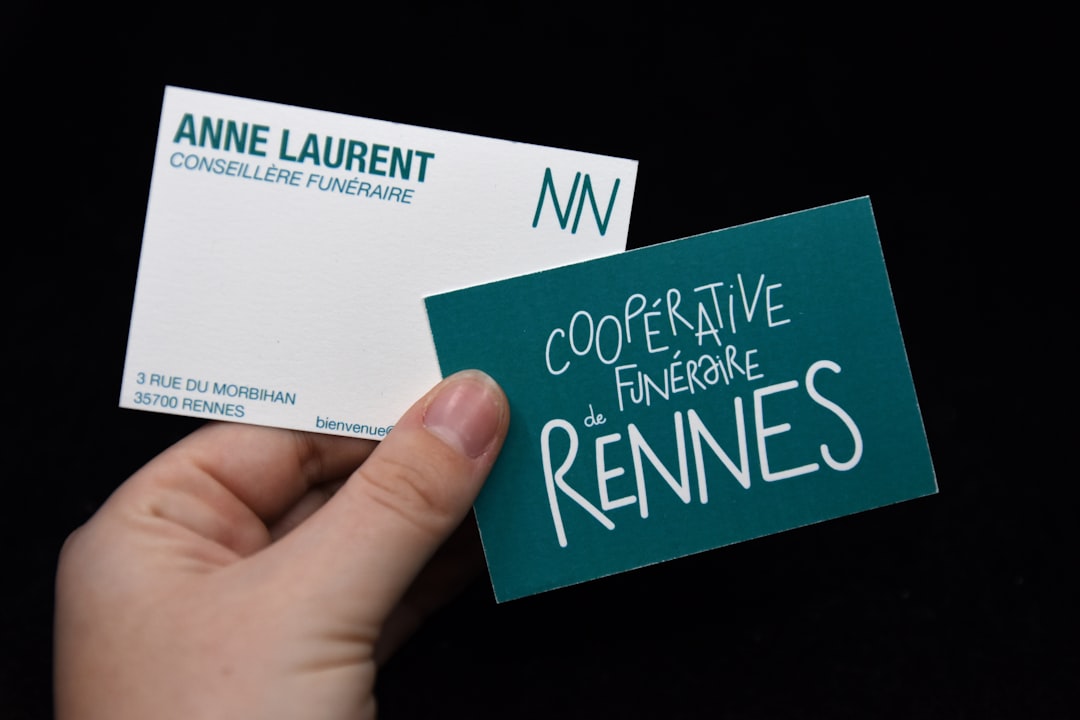
While it may not offer the most cutting-edge digital features, Vistaprint now includes QR code support, allowing professionals to bridge print and digital interaction.
Best for: Entrepreneurs and small businesses seeking affordable, dependable print cards.
2. Moo: Premium Quality and Design Innovation
Moo stands out for its premium aesthetic and design-forward approach. If your brand prioritizes visual sophistication and tactile impact, Moo is worth considering.
What makes Moo unique:
- Printfinity feature allows multiple designs in one pack
- Luxurious paper stocks like Super and Cotton
- Modern, minimal templates
- Foil accents and raised spot gloss finishes
Moo’s cards feel substantial in hand, immediately communicating quality. The Printfinity feature is especially appealing for creatives, allowing each card in a batch to feature a different image or design variation.
However, premium quality comes at a higher price point compared to budget competitors. For many professionals, the impact justifies the cost.
Best for: Designers, photographers, executives, and high-end brands.
3. Canva: Design Flexibility for Everyone
Canva has transformed accessible design, and its business card maker is no exception. Ideal for users who want creative control without mastering professional software, Canva strikes a strong balance between simplicity and customization.
Key features:
- Drag-and-drop editor
- Thousands of customizable templates
- Vast font and image library
- Download for print or order directly
One advantage of Canva is its flexibility. Users can create digital cards for email signatures or social sharing, as well as export print-ready files for professional printing.
While Canva’s direct printing service may not match Moo’s premium finishes, it offers solid quality at competitive pricing.
Best for: Freelancers, startups, and DIY designers wanting creative control.
4. Adobe Express: Polished and Professional
Adobe Express, formerly Adobe Spark, caters to users seeking professional-grade design tools in a simplified format. It leverages Adobe’s design expertise without requiring advanced technical knowledge.
Advantages:
- Professional typography and layout control
- Brand kit integration for consistent identity
- High-resolution exports
- Seamless compatibility with other Adobe tools
Businesses that already use Adobe products will appreciate the cohesive ecosystem. Though not primarily a print service, Adobe Express allows you to design high-quality files ready for commercial printers.
Best for: Brand-focused companies and marketing teams.
5. HiHello: The Digital-First Solution
As networking increasingly shifts online, digital business card platforms like HiHello are gaining momentum. Instead of handing out paper cards, users share contact details via QR code, email, text, or social media.
Why digital cards matter:
- Instant information updates
- No printing costs
- Environmentally friendly
- Direct CRM integrations
HiHello allows professionals to personalize profiles with photos, logos, and interactive links. The result is a dynamic networking tool that evolves with your career.
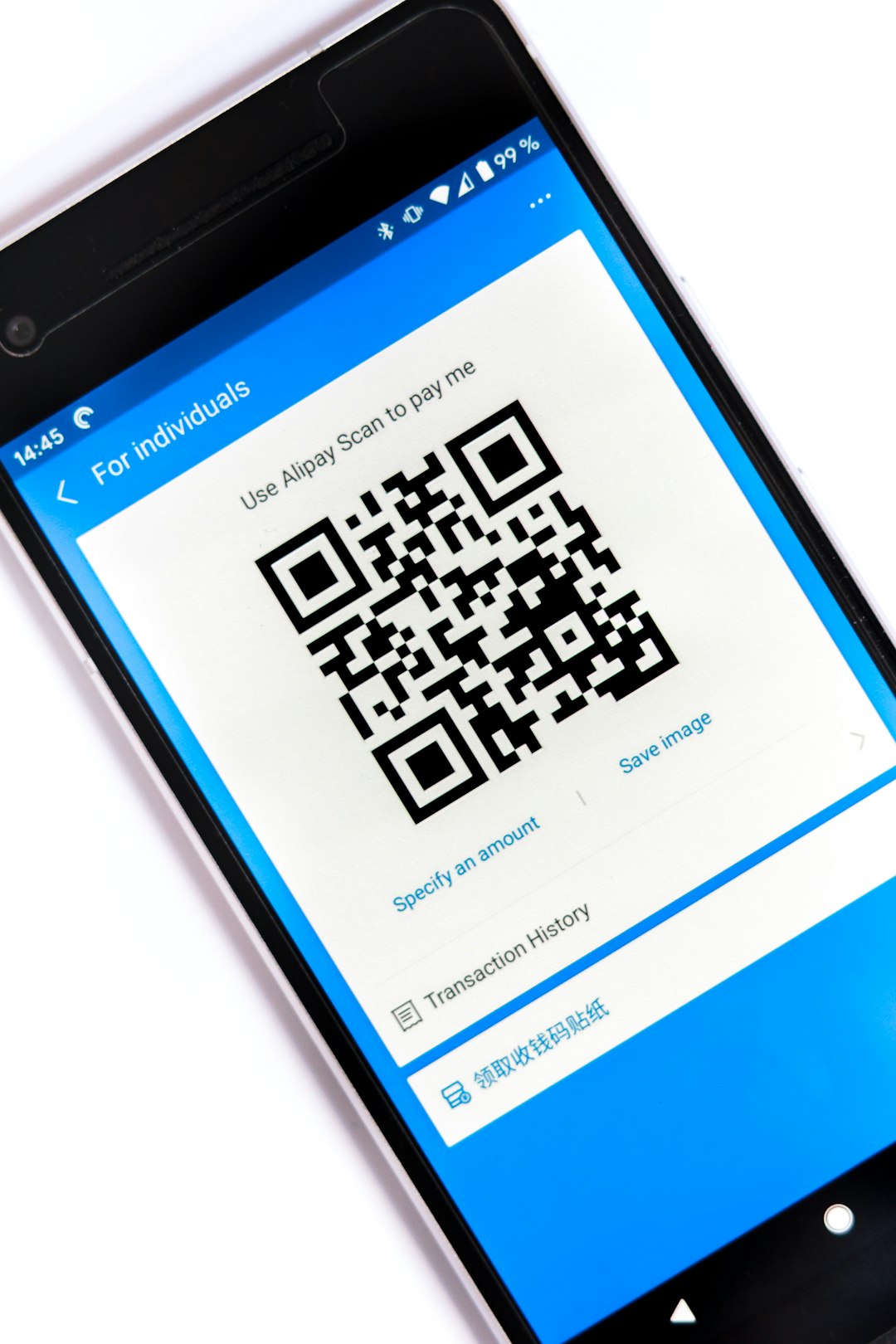
The biggest drawback? Not everyone is ready to abandon paper entirely. In some formal settings, a physical card still carries weight.
Best for: Tech-savvy professionals and remote networkers.
6. Popl: NFC Networking Reinvented
Popl blends physical and digital networking through NFC-enabled cards and accessories. With a simple tap on a smartphone, contact information instantly transfers.
Standout elements:
- NFC-enabled smart cards
- Custom branding options
- Analytics on profile views
- No app required for recipients
Popl cards eliminate reprinting costs since you can update the linked information anytime. For trade shows and large networking events, this innovation adds both convenience and a modern edge.
Best for: Sales professionals, conference attendees, and forward-thinking businesses.
Print vs. Digital: Which Should You Choose?
The debate between print and digital business cards is not a matter of replacement but integration. Physical cards offer tactile appeal and immediate memorability, while digital cards provide adaptability and analytics.
Consider these factors:
- Industry norms: Traditional sectors may expect print cards.
- Budget: Digital options can reduce long-term costs.
- Brand identity: Premium paper suggests craftsmanship; digital suggests innovation.
- Networking style: Frequent event-goers may benefit from NFC solutions.
Many professionals now adopt a hybrid strategy, incorporating QR codes on print cards that link to digital profiles. This approach combines credibility with convenience.
Emerging Trends in Business Card Design
The business card market continues to evolve. Some notable trends include:
- Minimalist design with bold typography
- Sustainable materials like recycled cotton paper
- Interactive elements such as augmented reality features
- Custom shapes and die cuts
- Metal and wooden cards for premium branding
As environmental awareness grows, eco-friendly options are becoming a priority. Platforms offering recycled paper stocks and carbon offset programs are increasingly attractive.
Pricing Comparison Overview
While pricing varies widely, here is a general breakdown:
- Budget tier: Vistaprint and Canva (approximately low to mid-range pricing per 100 cards)
- Mid-tier: Adobe Express combined with local printing
- Premium tier: Moo with specialty finishes
- Subscription-based digital: HiHello and Popl
Businesses should consider not only initial printing costs but also long-term expenses related to reprints and updates.
Final Thoughts
Choosing the right business card maker depends on your professional goals, branding priorities, and networking habits. If affordability and ease matter most, Vistaprint and Canva offer strong solutions. For high-end presentation, Moo excels in craftsmanship. Adobe Express provides polished design precision, while HiHello and Popl redefine how contact information is shared in a digital-first world.
Ultimately, the most effective business card is one that reflects your identity and leaves a lasting impression. Whether printed on luxurious cotton stock or shared with a quick smartphone tap, your card should communicate professionalism, clarity, and confidence. In a competitive business landscape, investing in the right platform ensures that every introduction counts.