

Kubernetes has become the backbone of modern cloud-native infrastructure, but with its flexibility comes complexity—and risk. Misconfigurations, weak access controls, and unpatched components are responsible for the vast majority of Kubernetes-related breaches. Securing a cluster does not require perfection; it requires disciplined implementation of proven best practices. By focusing on the right foundational controls, organizations can eliminate most common attack paths and dramatically reduce their exposure.
TLDR: Most Kubernetes security incidents stem from misconfiguration, excessive permissions, and unpatched components. By enforcing strict access controls, securing workloads, segmenting networks, and continuously monitoring activity, organizations can prevent approximately 95% of common threats. The key lies in hardening the control plane, limiting permissions, and adopting a zero-trust layered security model. Following the ten steps below provides a practical, high-impact security foundation.
1. Enforce Strong Role-Based Access Control (RBAC)
Overly permissive access is one of the most common Kubernetes vulnerabilities. Administrators often grant cluster-admin rights for convenience, unintentionally expanding the blast radius of a compromise.
- Follow the principle of least privilege.
- Avoid wildcard permissions.
- Regularly audit Role and ClusterRole bindings.
- Eliminate unused service accounts.
Every workload and user should have only the precise permissions required—nothing more. Tight RBAC alone blocks a significant percentage of privilege escalation attacks.
2. Lock Down the Kubernetes API Server
The API server is the front door to the cluster. If improperly exposed, it becomes an easy target.
- Disable anonymous authentication.
- Restrict API access using IP allowlists.
- Enable audit logging.
- Use strong authentication mechanisms such as OIDC.

Publicly exposed and unsecured API servers remain a leading cause of real-world compromises. Limiting access and enabling logging ensures visibility and control.
3. Harden Node Security
Nodes are the foundation of the cluster. A compromised node can jeopardize every workload running on it.
- Keep the operating system patched and minimal.
- Disable unused ports and services.
- Protect kubelet endpoints.
- Use secure container runtimes.
Nodes should follow hardened configuration benchmarks such as CIS guidelines. Automatic security updates and restricted SSH access significantly reduce risk.
4. Use Network Policies to Segment Traffic
Kubernetes networking is flat by default, meaning pods can freely communicate across namespaces unless restricted.
- Implement default deny policies.
- Allow only required pod-to-pod communication.
- Segment environments such as production and staging.
- Monitor network flows for anomalies.
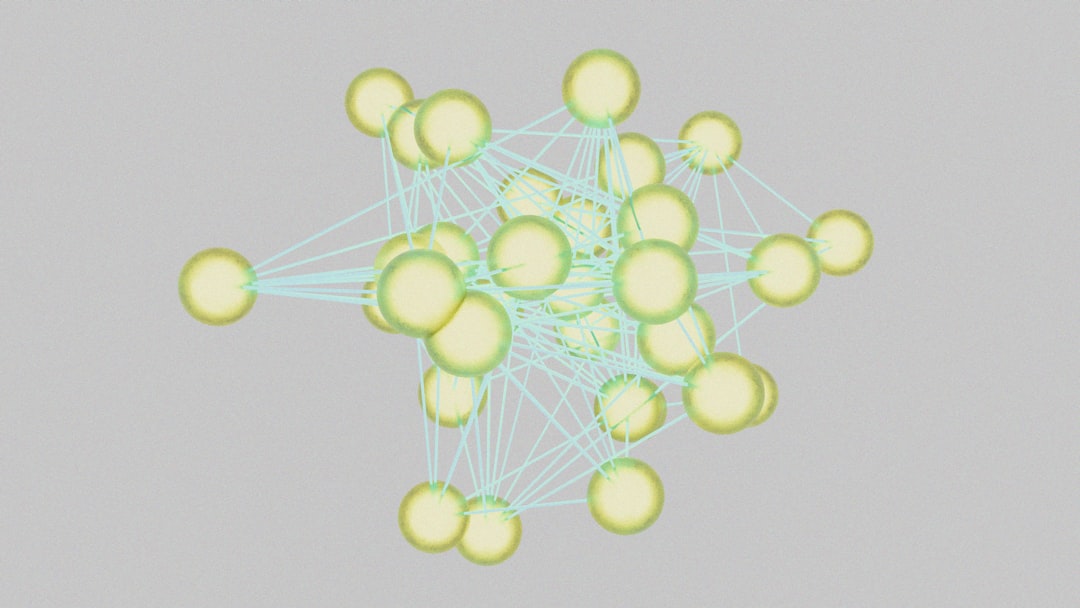
Micro-segmentation prevents lateral movement. If an attacker compromises one container, strong network policies stop the spread to other services.
5. Secure Secrets Management
Improper handling of secrets is responsible for many breaches. Kubernetes Secrets stored without encryption can be extracted if etcd is compromised.
- Enable encryption at rest for secrets.
- Integrate with external secret management systems.
- Avoid hardcoding credentials in images.
- Rotate credentials regularly.
Secrets should never be stored in plain text configuration files or embedded into container images. External vault solutions add another protective layer.
6. Implement Pod Security Standards
Containers running as root or with excessive Linux capabilities expose the cluster to privilege escalation attacks.
- Run containers as non-root users.
- Drop unnecessary Linux capabilities.
- Use read-only file systems where possible.
- Prevent privileged containers unless absolutely required.
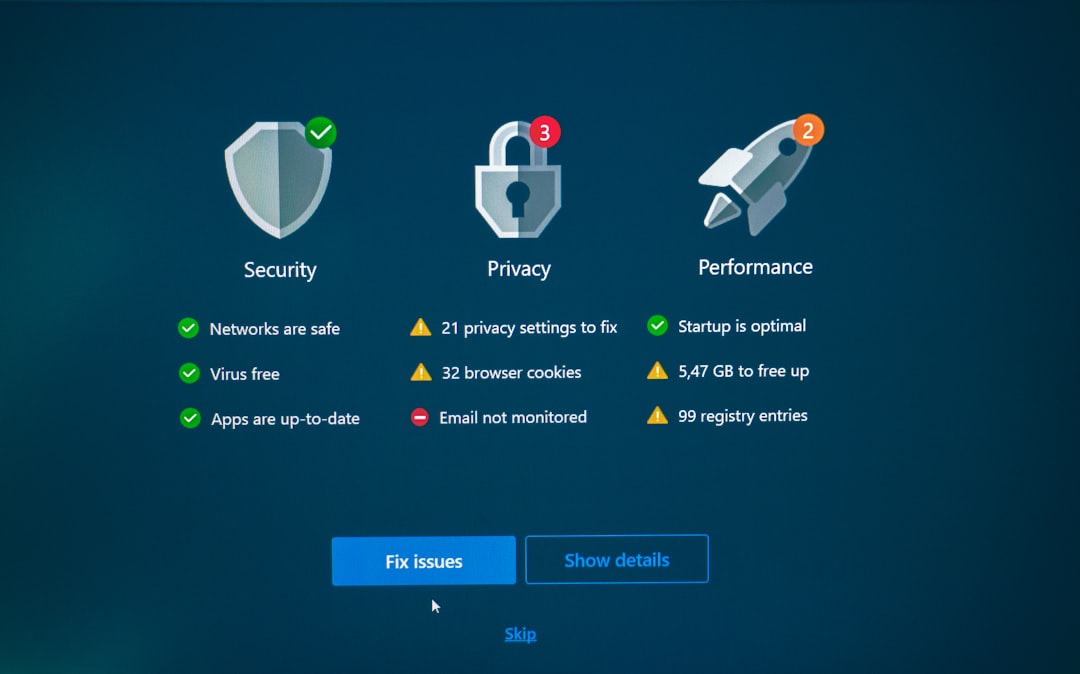
Pod Security Standards enforce constraints at admission time, preventing insecure workloads from ever being deployed.
7. Scan Images and Enforce Image Trust
Vulnerable container images introduce known exploits directly into the cluster.
- Scan images for vulnerabilities before deployment.
- Continuously rescan images in registries.
- Use trusted base images.
- Implement image signing and verification.
Supply chain attacks are rising. Signed images and automated scanning prevent tampered or high-risk builds from reaching production.
8. Keep Kubernetes and Dependencies Updated
Unpatched components remain one of the top root causes of compromise.
- Upgrade Kubernetes versions regularly.
- Patch etcd and control plane components.
- Update CNI plugins and ingress controllers.
- Automate patch management processes.
Running unsupported Kubernetes versions exposes clusters to publicly documented exploits. A structured upgrade cycle is essential.
9. Enable Comprehensive Logging and Monitoring
Prevention reduces risk, but detection limits damage.
- Enable audit logging.
- Collect container runtime logs.
- Monitor for suspicious behavior such as crypto mining.
- Integrate SIEM or security observability tools.
Real-time alerts for anomalous activity allow teams to contain incidents before they escalate into full-scale breaches.
10. Adopt Zero Trust and Continuous Security Validation
Security is not a one-time configuration. It is an ongoing process.
- Verify every request and workload.
- Conduct regular penetration tests.
- Simulate attack scenarios.
- Continuously audit configurations.
Zero Trust assumes breach and limits impact through layered controls. Continuous validation ensures configurations remain secure as environments evolve.
Final Thoughts
Most Kubernetes attacks are not advanced zero-day exploits—they are preventable misconfigurations and overlooked hardening steps. Organizations that implement strong RBAC, network segmentation, secure secrets management, and monitoring eliminate the vast majority of realistic threat vectors. Security in Kubernetes is about reducing attack surface and enforcing consistent policies at every layer.
By following these ten structured steps, teams can realistically secure their clusters against approximately 95% of common threats, establishing a resilient and future-ready container environment.
Frequently Asked Questions (FAQ)
1. What is the biggest security risk in Kubernetes?
The most common risk is misconfiguration, particularly overly permissive RBAC settings and publicly exposed API servers.
2. How often should Kubernetes clusters be patched?
Clusters should follow a structured update schedule, typically aligning with Kubernetes release cycles and patching critical vulnerabilities immediately.
3. Are network policies mandatory for security?
While not mandatory, they are strongly recommended. Without them, attackers can move laterally across pods with minimal resistance.
4. Is Kubernetes secure by default?
Kubernetes provides secure building blocks, but it is not fully secure out of the box. Proper configuration is essential.
5. Can small teams realistically secure Kubernetes effectively?
Yes. By focusing on these ten high-impact controls and automating security tasks, even small teams can significantly reduce risk.
6. What percentage of Kubernetes attacks are preventable?
Industry analyses show that the majority—up to 95%—stem from known misconfigurations and can be prevented through foundational security practices.