

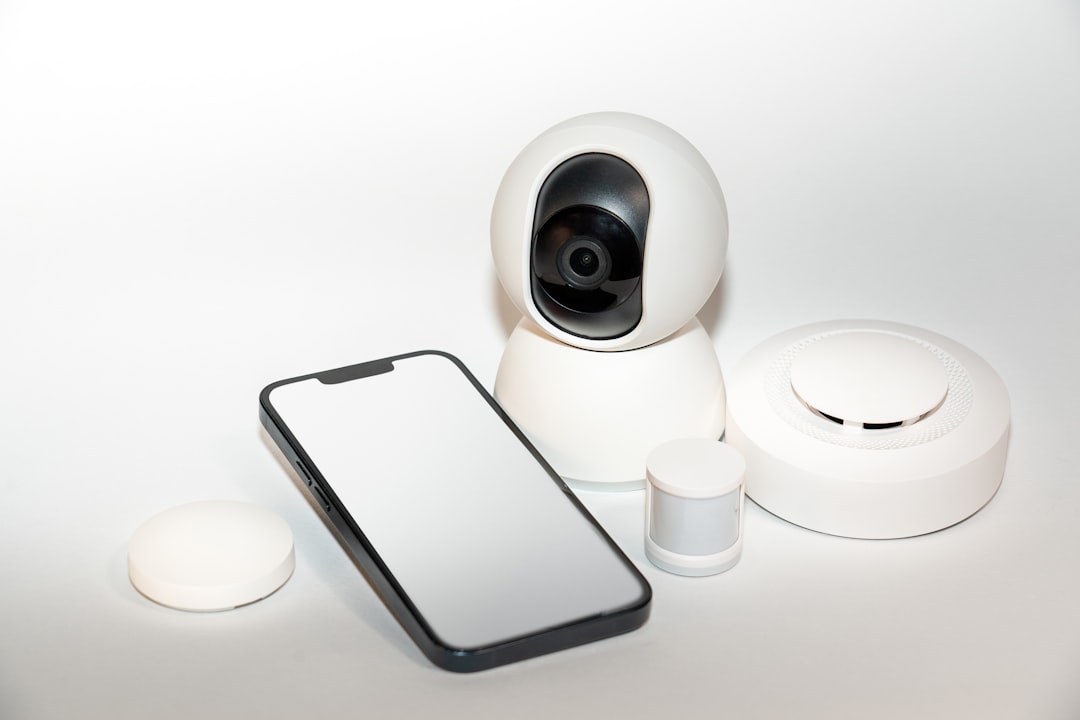
Smart home technology is continually evolving, and as we move toward 2026, homeowners are increasingly looking at ways to future-proof their spaces. From energy-efficient systems to intelligent security setups, investing in the right technology not only enhances convenience and safety but can also add substantial value to one’s property.
TLDR (Too Long; Didn’t Read)
As smart home innovations advance, upgrades that emphasize energy efficiency, security, and interoperability are particularly valuable in 2026. Key investments include intelligent thermostats, home EV charging stations, and AI-powered security systems. Voice and gesture control, along with integration-ready smart hubs, are also top picks. Focusing on these upgrades ensures comfort, future-proofing, and increased property value.
1. Energy-Efficient Smart Thermostats
Energy consumption continues to be a major concern for both homeowners and the environment. A smart thermostat regulates heating and cooling more efficiently than traditional systems by learning habits, adjusting to weather patterns, and offering remote control via smartphone apps. Systems like Google Nest or Ecobee Premium come with sensors that monitor room occupancy and temperature fluctuations, maximizing energy savings.
For homes in regions with volatile climates, these devices significantly reduce energy bills while maintaining comfort throughout the day.
2. Solar Integration and Battery Storage
As governments around the world push for greener energy, integrating smart solar panels with smart battery storage becomes highly beneficial. Technologies like the Tesla Powerwall offer real-time energy tracking, allowing homeowners to store excess solar energy and use it during peak-cost periods or outages.
By 2026, look for systems that will seamlessly interface with home energy management systems, giving users the flexibility to optimize usage and savings automatically.
3. AI-Powered Home Security Systems
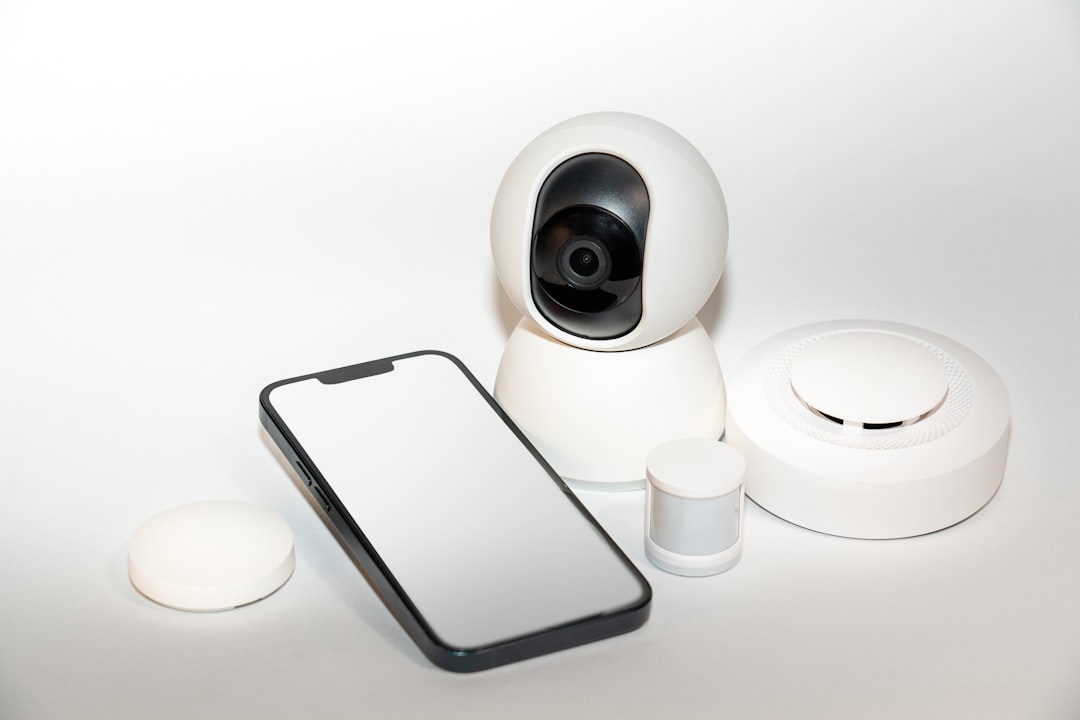
Gone are the days of simple cameras and alarms. Modern systems now leverage artificial intelligence to distinguish between family members, pets, and potential intruders.
Key features to consider:
- Facial recognition and motion analysis
- Real-time mobile alerts and automated police notifications
- 24/7 cloud video storage with event tagging
Brands like Arlo and Ring now offer subscription models with advanced AI capabilities, making them an affordable yet high-impact investment.
4. Smart Lighting with Adaptive Settings
Smart lighting no longer means just dimming or changing colors. Top-tier systems in 2026 offer adaptive lighting that adjusts based on natural sunlight, mood settings, and even time of day to support circadian rhythms. Integration with voice assistants like Amazon Alexa or Google Assistant allows seamless control.
Systems also now include geo-fencing features that turn lights on or off as homeowners come and go, improving security and energy efficiency simultaneously.
5. Whole-Home Water Monitoring
Water leaks can cause thousands in repair costs, making leak detection one of the most underrated smart home upgrades. Devices like Flo by Moen and Phyn offer whole-home solutions that monitor water pressure and flow in real time, sending immediate alerts to prevent disasters.
Smart shutoff valves can even stop water flow automatically in the event of a detected leak, giving you peace of mind even when you’re away.
6. Smart Kitchen Appliances
From fridges that help plan your meals to ovens you can preheat from your phone, smart kitchen technology is finally reaching practical maturity. In 2026, top investments include:
- Wi-Fi-enabled refrigerators with internal cameras
- Voice-controllable ovens with recipe syncing
- Smart faucets with touchless and temperature memory capabilities
These upgrades not only boost efficiency but add that luxe factor that appeals to both everyday users and future homebuyers.

7. Home EV Charging Stations
Electric vehicles are becoming the norm, with most new cars expected to be electric or hybrid by 2026. Installing a Level 2 EV charger that integrates with your home’s energy system—or better yet, your solar setup—is both an environmentally friendly and resale-smart investment.
Top-of-the-line options also allow scheduling and monitor your charging activity via mobile apps.
8. Integrated Smart Hubs and Voice Assistants
The more smart devices homeowners add, the more essential it becomes to manage them through a cohesive interface. Integrated smart hubs like Samsung SmartThings, Apple HomeKit, or Amazon Echo Hub help unify devices under one dashboard.
With voice and even gesture control technology improving rapidly, expect more devices to be controlled through non-touch methods, enhancing accessibility and convenience in 2026.
9. Smart Blinds and Shades
Smart window treatments provide both improved home insulation and a sleek aesthetic. Newer models offer real-time sun tracking and can adjust automatically to manage glare, temperature, and privacy preferences.
Adjustable through schedules, apps, or voice assistants, these window coverings also work well in home automation scenes—like ‘Good Morning’ routines that open blinds, brew coffee, and set the thermostat.
10. Home Automation for Aging in Place
With a larger aging population, more homeowners are planning to age in place. Smart upgrades such as fall detection sensors, AI-powered monitoring systems that detect irregular habits, and voice-controlled home systems can make a home significantly safer for seniors.
Health-conscious smart beds and wearable integrations that link to emergency alerts further personalize home healthcare in a dignified and non-invasive way.
Conclusion
Smart home upgrades in 2026 will be about more than just convenience—they’ll center on efficiency, sustainability, and security. By investing in forward-thinking technologies such as AI-powered home systems, solar energy storage, and adaptive appliances, homeowners ensure their spaces remain modern, functional, and appealing for years to come. The key is to prioritize systems that are interoperable, user-friendly, and future-ready.
FAQ
-
What is the most essential smart home upgrade for 2026?
Smart thermostats and AI-powered security systems are top-tier priorities due to their energy savings and enhanced safety. -
Do smart home technologies add resale value?
Yes, especially when systems are integrated and professionally installed. Buyers are increasingly interested in homes equipped with modern, efficient tech. -
Is solar integration worth it?
Absolutely. Pairing solar panels with smart battery storage not only reduces bills but helps in energy independence and grid protection. -
Are smart kitchen appliances more expensive?
They do come with a higher upfront cost, but their multifunctional features and energy efficiency make them a worthwhile long-term investment. -
Can I install these systems myself?
While some systems like smart lights and voice assistants are DIY-friendly, others—like security systems or solar panels—typically require professional installation for optimal performance.