

Imagine walking through a city where the traffic lights know when you’re coming, trash bins tell the garbage truck when they’re full, and street lamps brighten only when someone walks by. Sounds like science fiction? Not anymore! Thanks to smart infrastructure and the Internet of Things (IoT), our cities are getting a high-tech upgrade.
TLDR: Cities are becoming smarter with the help of IoT and smart infrastructure. Sensors and devices now help manage traffic, energy, waste, and more. This makes urban living cleaner, safer, and more efficient. And it’s just the beginning of a smarter future!
What is Smart Infrastructure?
Smart infrastructure means traditional city systems—like roads, lights, and buildings—are being powered by technology. These new systems can make decisions, collect data, and even learn from their environments.
Think of it as giving the city a brain!
And What’s IoT?
IoT (Internet of Things) is a network of physical things like sensors, cameras, vehicles, and appliances that connect to the internet and to each other. They collect and share data in real time.
So when city systems meet IoT, things get really cool.
How Do Smart Cities Work?
When a city uses IoT, everything can talk to everything else. This helps the city run more smoothly and keeps citizens happy. Here are some ways IoT and smart infrastructure are used in real life:
- Traffic lights that change based on real-time conditions, not just a timer.
- Smart parking apps that tell you where an empty spot is.
- Trash bins that alert sanitation teams when they’re full.
- Environmental sensors that track air quality and noise levels.
- Energy-efficient buildings that adjust lighting and heating automatically.
Smart Transportation: No More Honking
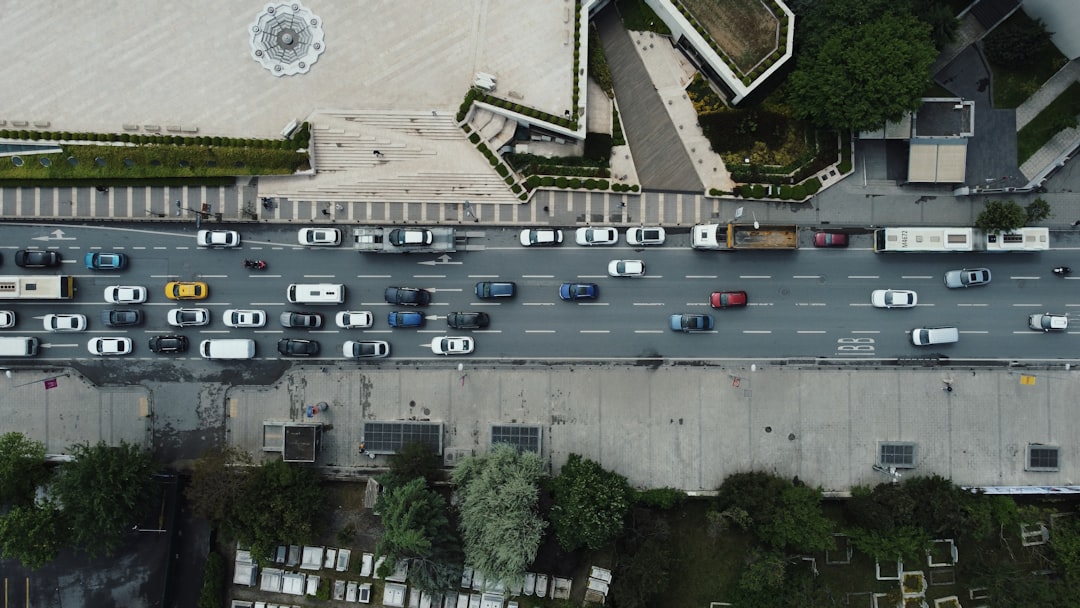
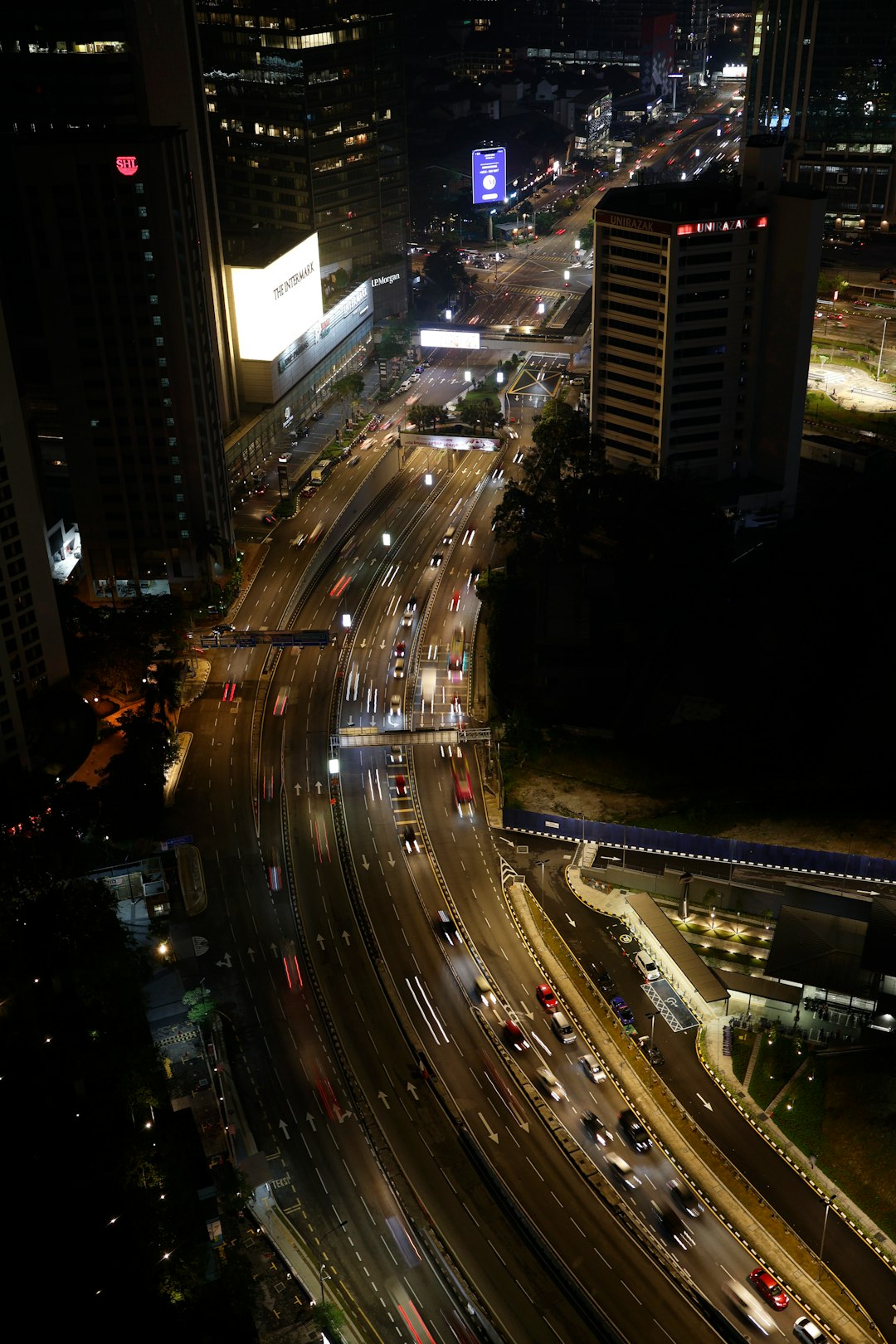
Traffic jams are the worst. But with smart infrastructure, cities get better at managing flow. Sensors in roads monitor the number of cars. Traffic lights adjust automatically to prevent long lines. Public buses and trains get priority signals to stay on schedule.
Even better, apps can show you the fastest route, or suggest an alternative if there’s a traffic accident 10 minutes ahead.
No more guessing. No more stress.
Smarter Energy Use
Lighting an entire city is expensive. But smart lighting systems use motion sensors, turning on only when needed. This cuts energy bills and reduces carbon emissions.
Smart grids also help manage power supply and demand. If one part of the city uses too much electricity, the grid redirects power from a less busy area.
Plus, cities can install solar panels and track their energy output in real time.
Good for the budget, great for the planet.
Clean and Green: Waste Management
Overflowing trash bins aren’t just gross—they’re also a health risk. Smart bins come with sensors that send alerts when they’re full. This helps waste collection teams act quickly and efficiently.
Some systems even detect what kind of trash is inside, helping to sort recyclables from trash.
Less garbage on streets = happier citizens and cleaner cities.
Smart trash is not trashy!
Safe and Sound with Smart Security
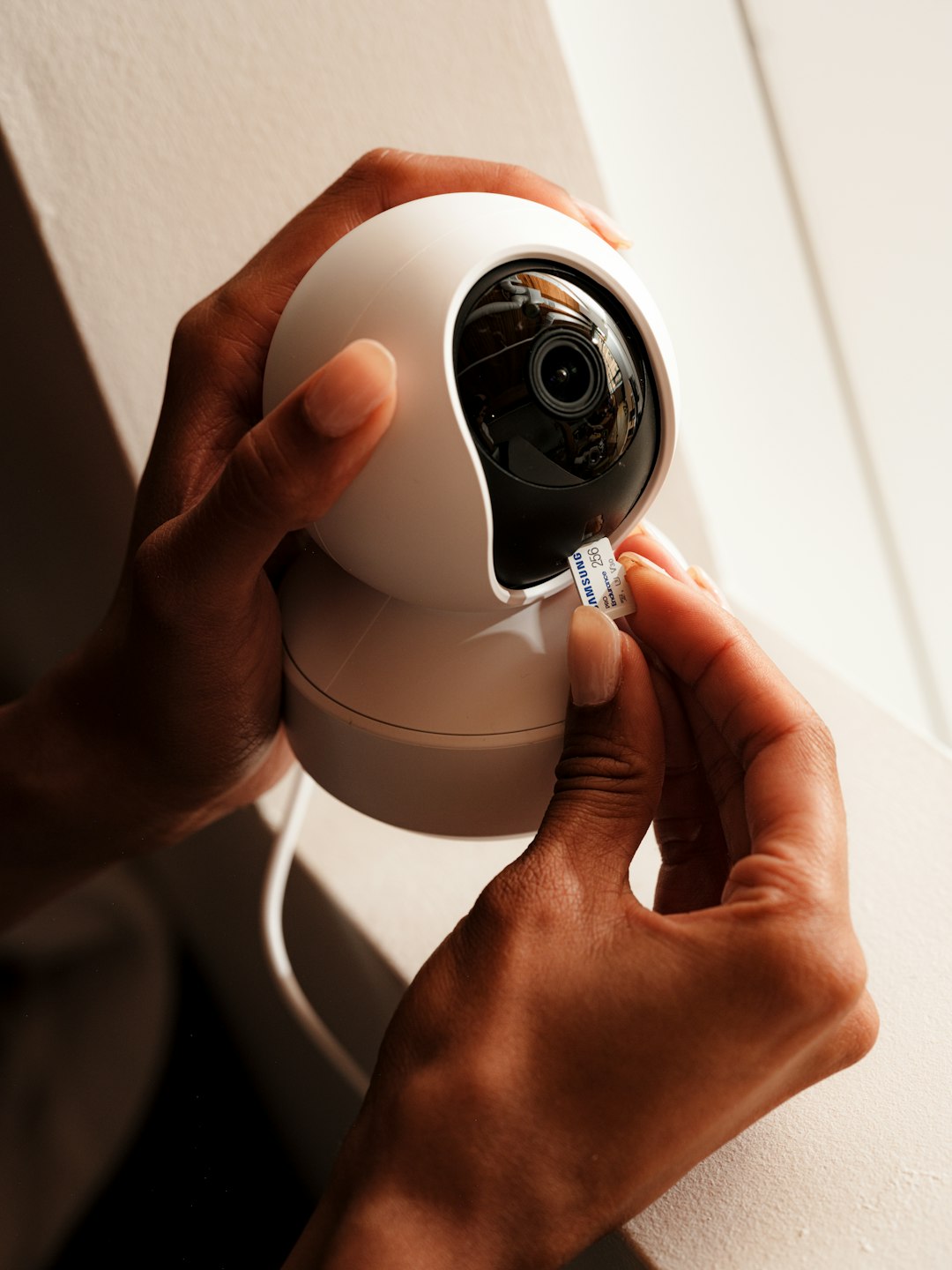
Connected cameras and emergency response systems help monitor cities in real time. If something suspicious happens, authorities get alerts instantly. Some systems can even detect unusual sounds like breaking glass or gunshots.
Drones and robots are also being tested to patrol large areas or hard-to-reach places.
It’s like having a superhero network keeping your city safe.
Healthier Environments
Air pollution is a big issue in many cities. But IoT sensors can constantly track air quality. When pollution levels are too high, alerts are sent to warn residents—especially kids, the elderly, and those with health issues.
Data from these sensors can also help cities make greener choices, like planting more trees or moving factories away from homes.
What’s In It for You?
Living in a smart city isn’t just cool, it’s super convenient. Here’s what citizens can enjoy:
- Faster commutes with real-time traffic updates.
- Cleaner air by reducing pollution.
- Lower utility bills thanks to efficient energy use.
- Better emergency services that get help to you faster.
- More public services that are easy to access via apps.
Technology is working for you—even when you’re sleeping.
Challenges to Think About
Of course, no system is perfect. Smart cities face some big challenges:
- Privacy: Lots of sensors mean lots of data. People worry about who collects it and why.
- Costs: Installing smart systems isn’t cheap. Cities need to budget carefully.
- Security: All connected devices are potential targets for hackers.
- Digital divide: Not everyone can access or use smart tech.
But the good news? Many cities work hard to solve these problems as they build smarter infrastructures. The goal is to include everyone and keep systems safe and fair.
Examples of Smart Cities in Action
Here are a few cities already showing off their smart side:
- Barcelona, Spain: Uses smart water tech, lighting systems, and public Wi-Fi.
- Singapore: One of the world’s smartest cities with traffic management and safety systems.
- San Diego, USA: Has smart streetlights that collect environmental data.
- Dubai, UAE: Plans to be powered 100% by blockchain in government services.
Each of these cities started small and scaled up over time.

What’s Next?
In the future, smart cities will get even smarter. Self-driving buses may arrive on time, every time. Buildings could self-repair small issues. Drones might deliver your groceries, and apps could alert you before potholes appear on your street.
Your city could almost think for itself.
But the most important part of any smart city isn’t the tech—it’s the people. When everyone participates, things improve faster. Local governments, scientists, businesses, and residents all play a part in shaping the connected cities of tomorrow.
Conclusion
Smart infrastructure and IoT are changing how we live, work, and play in cities. They’re making daily tasks easier and cities more livable and eco-friendly. It’s like upgrading your city to a whole new level of awesome.
And the best part? This is only the beginning. So next time you’re stuck at a red light that suddenly turns green just for you—you’ll know your city is looking out for you.
The future is smart, and it’s already here.