

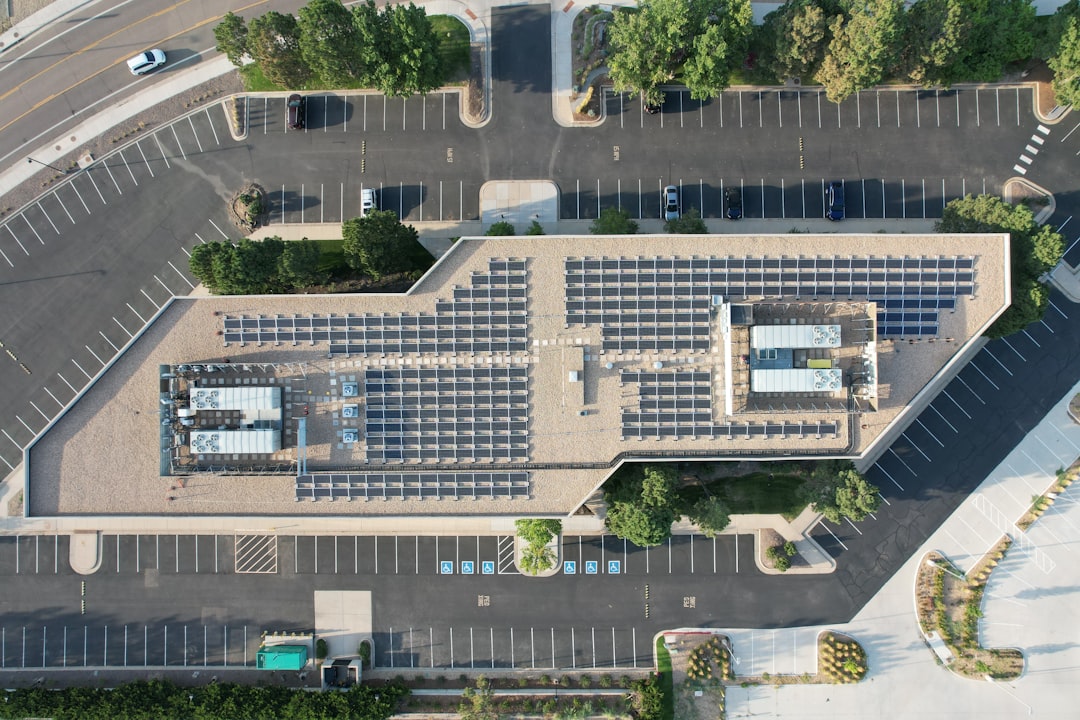
With energy prices rising and environmental concerns growing more urgent, many homeowners are considering green homes and energy-efficient upgrades as potential solutions. But do these investments really pay off in the long run, or are they just greenwashing with minimal practical benefits? The return on investment (ROI) for energy-efficient homes remains a hot topic, especially as both environmental consciousness and real estate prices grow.
TLDR (Too long, didn’t read):
Green homes and energy-efficient upgrades often result in significant savings over time through reduced utility bills and increased property value. While initial costs can be higher, many homeowners recover these investments through tax incentives and resale premiums. The long-term benefits also include environmental responsibility and improved indoor comfort. However, not every green upgrade offers the same ROI, making it critical to choose wisely.
Understanding Green Homes and Energy Efficiency
Green homes are designed to use resources—like water and energy—more efficiently, reduce waste, and maintain improved indoor air quality. They may feature solar panels, high-efficiency HVAC systems, smart thermostats, LED lighting, and sustainable building materials. These enhancements aim to minimize environmental impact while creating cost-effective and healthier living environments.
Energy efficiency, often a major component of green homes, refers specifically to reducing the amount of energy required to maintain comfort and operate systems within a home. Examples include enhanced insulation, Energy Star-rated appliances, and double- or triple-pane windows.
Do They Really Pay Off? A Breakdown of the Benefits
1. Lower Utility Bills
Perhaps the most immediate and visible benefit of energy-efficient homes is a substantial reduction in monthly utility costs. According to the U.S. Department of Energy, homeowners can save up to 30% on their energy bills through proper home energy improvements. Over the span of a 30-year mortgage, these savings can really add up.
2. Increased Home Value
Studies have shown that energy-efficient homes tend to sell faster and at higher prices compared to non-efficient counterparts. The National Association of Home Builders reports that many buyers are willing to pay a premium for green features, notably solar power and energy-efficient appliances.
According to a 2020 study from Zillow, homes with solar panels sold for 4.1% more on average than comparable homes without. While it’s important to note that market conditions and location play a role, the value added by energy-efficient features is increasingly hard to ignore.
3. Tax Incentives and Financial Rebates
Federal, state, and local governments often offer tax credits and rebates for certain energy-efficient upgrades. The Inflation Reduction Act of 2022 expanded energy-efficiency incentives, including up to $14,000 in rebates for qualifying households undertaking home upgrades.
These incentives can significantly offset the upfront costs of going green. Combined with long-term savings, they help make green investments more financially feasible.
4. Enhanced Comfort and Health
Beyond direct financial benefits, green homes often deliver improved living conditions. Better insulation, ventilation, and air filtration contribute to a consistent indoor climate and improved air quality, reducing allergens and respiratory issues for occupants. These “soft” benefits, while not always quantifiable in dollars, contribute significantly to residents’ quality of life.
The Cost Side: What’s the Investment?
For many homeowners, the biggest concern is the up-front cost. Major green home features like solar panels can cost between $10,000 to $25,000. Upgrading to energy-efficient windows and appliances adds even more. While many upgrades come with rebates and lower monthly costs, they may take several years to generate a positive ROI.
However, it’s important to distinguish between short-term payback periods and long-term savings. Most energy-efficient upgrades pay off over 5 to 10 years, which is a modest time frame for long-term homeowners but may not suit those planning to sell in the near future.
What the Market Says
Real estate trends increasingly favor green homes. Environmental awareness among younger buyers, especially Millennials and Gen Z, is translating into a stronger demand for sustainable homes. Green certifications, such as LEED and Energy Star, are gaining recognition in the market and becoming selling points in real estate listings.
In competitive housing markets, these features can be the difference between days and weeks on the market. Moreover, energy data transparency—where sellers provide actual annual energy costs—can assist in validating the value of energy-efficient investments.
The Drawbacks and Caveats
- Upfront Cost: Not all green features are cheap. Without incentives or rebates, even minor upgrades may strain some budgets.
- Location Dependency: Solar panels produce more ROI in sunny climates versus cloudy or forested regions.
- Overcapitalizing: Homeowners may overspend on upgrades that don’t align with their local real estate market’s expectations.
- Complex Technology: Smart home and energy-efficient systems sometimes require technical literacy and ongoing maintenance.
Ultimately, homeowners must carefully evaluate each potential upgrade’s cost vs. benefit, factoring in climate, local utility rates, and intended homeownership duration.
Conclusion: A Strategic Yet Sensible Investment
Green homes and energy-efficient upgrades can definitely pay off for homeowners—but not in every case. Financially, the combination of utility savings, tax breaks, and raised property values makes a compelling argument. However, a thoughtful, case-by-case analysis is essential for determining whether specific upgrades make sense.
For homeowners dedicated to both environmental stewardship and long-term financial prudence, green living offers a powerful pathway forward—both for their wallets and the world.
FAQ: Green Homes and Energy Efficiency
- Q: Do energy-efficient homes really save money?
A: Yes, energy-efficient homes can reduce utility bills by up to 30% or more, depending on the level of upgrades and your home’s location. - Q: Are green homes more expensive?
A: They typically have higher upfront costs due to advanced systems and materials, but these expenses are often offset by long-term savings and incentives. - Q: How long does it take to see a return on investment?
A: Most green upgrades recoup their costs within 5 to 10 years through savings and increased resale value. - Q: What are the best energy-efficient features to start with?
A: Start with cost-effective improvements like insulation, LED lighting, smart thermostats, and Energy Star-rated appliances. - Q: Do green features help during resale?
A: Yes, green features often lead to higher selling prices, faster offers, and a broader appeal, especially among eco-conscious buyers. - Q: Are green home upgrades covered by home loans?
A: Some mortgage products include green improvement financing, such as Energy Efficient Mortgages (EEMs).