

People see short words in messages all the time. Some feel clear. Others feel confusing. ML is one of those short forms that often stops people mid-chat. You might see it in a DM, a comment, or a quick reply and wonder what the sender meant.
ML does not have one fixed meaning in texting slang. Context shapes it. The platform matters. The relationship matters. This article explains ML in a clear and simple way so you can read messages with more confidence and reply without stress.
What Does ML Stand For in Text Messages?
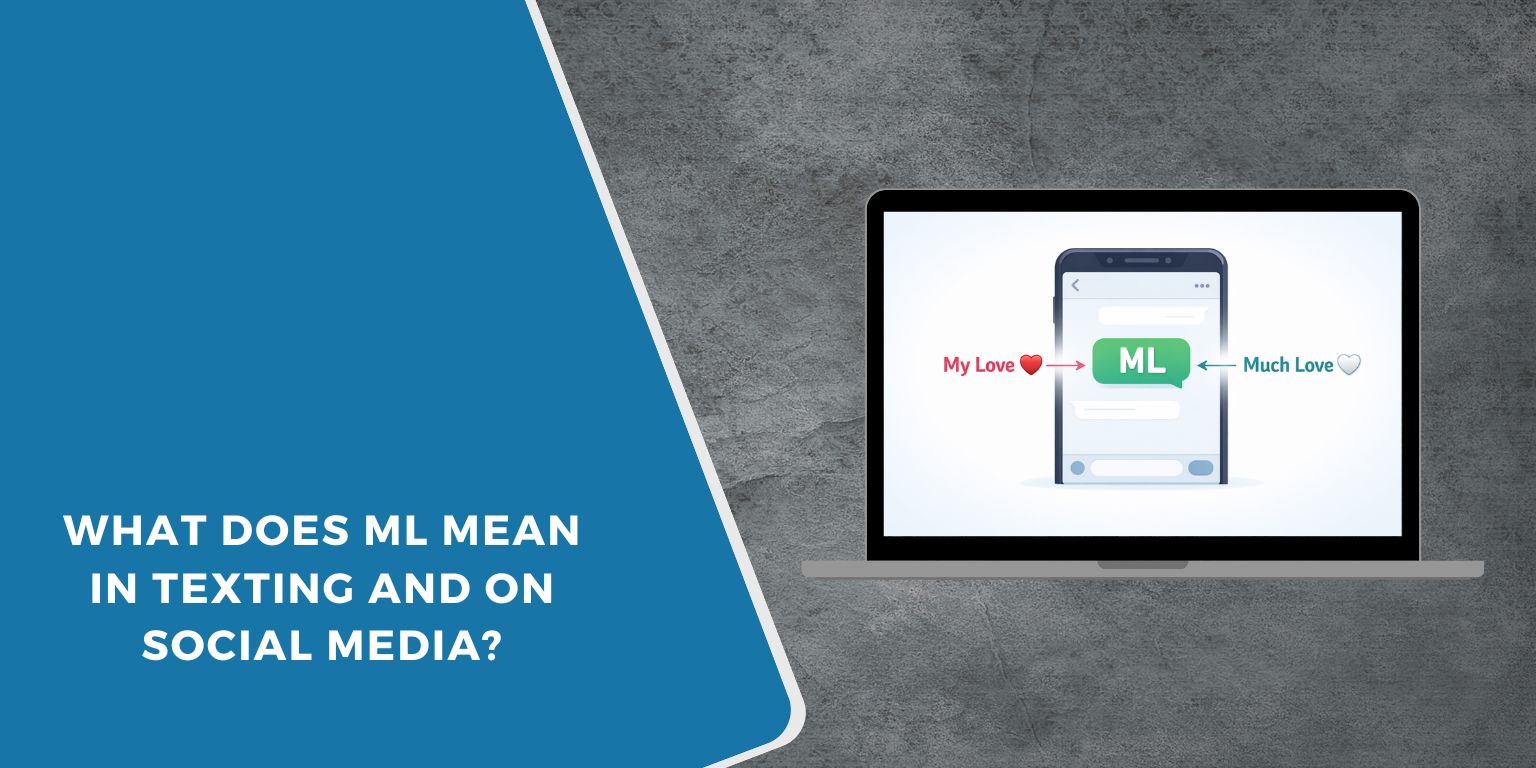
 In texting and social media language, ML usually has two main meanings. Both relate to emotion and connection.
- My love
- Much love
People use these meanings in casual digital communication. They fit friendly chats, emotional moments, or light affection. ML works as a shortcut, similar to other internet abbreviations like LOL or ILY, but with softer tone.
My love often sounds personal. Much love feels broader and friendly. The words look the same, but the intent changes based on context.
How People Use ML on Social Media?
Social platforms shape how slang works. ML shows up in short spaces where people want to sound warm without typing much.
On common platforms, usage looks like this:
- Instagram: captions, story replies, DMs
- Snapchat: streak messages, quick snaps
- TikTok: comment replies, creator responses
- WhatsApp: casual chats, group messages
- Twitter or X: short replies, sign-offs
ML often sits at the end of a sentence. It softens the message. It adds tone without emojis or long text. People use it to signal kindness, support, or closeness in digital conversation.
Context Decides the Meaning of ML
ML does not work alone. Context gives it meaning. Language pragmatics matter here, even in simple chats.
To read ML correctly, look at:
- Your relationship with the sender
- The tone of the full message
- Words before or after ML
- Emojis or lack of emojis
- The platform where the message appears
If a close partner sends ML, it likely means my love. If a friend or creator uses it, much love fits better. Contextual meaning beats literal reading every time.
Real Examples of ML in Messages
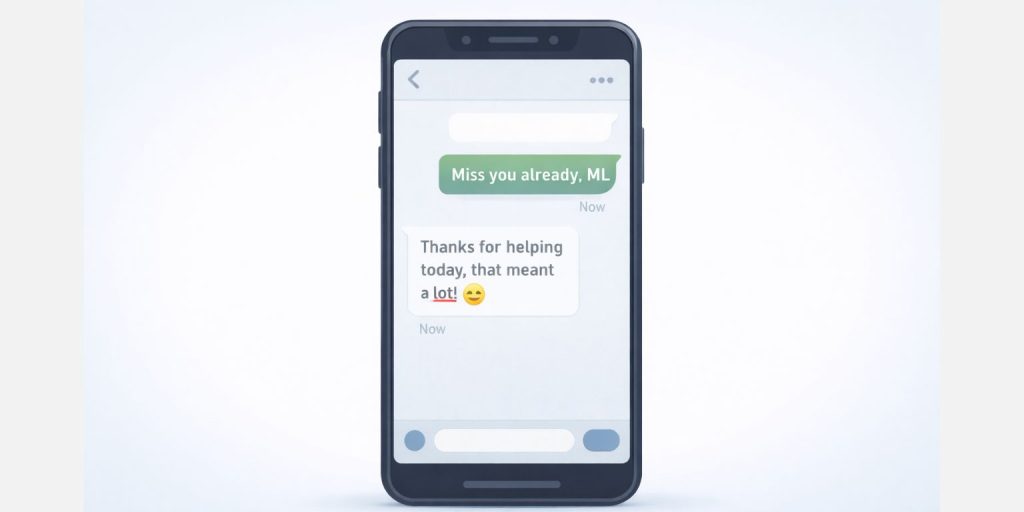
Seeing ML in action helps more than long rules. Here are natural examples from everyday texting.
- Thanks for helping today, ML
- That was kind of you, much love ML
- Miss you already, ML
- Appreciate the support, ML
Each example carries emotion, but not the same weight. The sender intent changes with tone and relationship. This is how digital language works. Short forms rely on shared understanding.
ML Compared to Other Common Slang
ML sits in the same space as other emotional abbreviations, but it does not replace them.
Quick comparison helps:
- ILY: direct and strong affection
- XOXO: playful or romantic sign-off
- Much love: friendly and open
- My love: personal and close
ML stays flexible. It feels lighter than ILY and less playful than XOXO. People choose it when they want warmth without pressure.
Other Meanings of ML You Might See
Outside texting slang, ML can mean very different things. Context again makes the difference.
Common alternate meanings include:
- Machine learning in tech or data science
- Milliliter in food, health, or science topics
- Gaming clan tags or usernames
If the message talks about algorithms, coding, or data, ML likely means machine learning. In recipes or fitness, it means milliliter. In chats and comments, emotion-based meanings usually apply.
Should You Use ML in Your Own Messages?
ML works best in informal communication. It fits relaxed tone and known audiences.
Use ML when:
- You know the person well
- Chatting with a relative or friend
- The chat feels friendly or warm
- The platform supports casual language
Avoid ML when:
- Writing professional emails
- Messaging someone new
- Clarity matters more than tone
Clear language always wins. If ML feels risky, write the full words instead.
Final Thoughts
ML is small, but meaning runs deep. Texting slang relies on shared context, emotional cues, and platform habits. Once you watch those signals, ML becomes easy to read.
Language online keeps changing. Short forms grow fast because people want speed and feeling at the same time. ML is one example of that shift.
If this helped you, share it with someone who texts a lot. And if you have seen ML used in a strange or funny way, drop a comment and tell your story.