


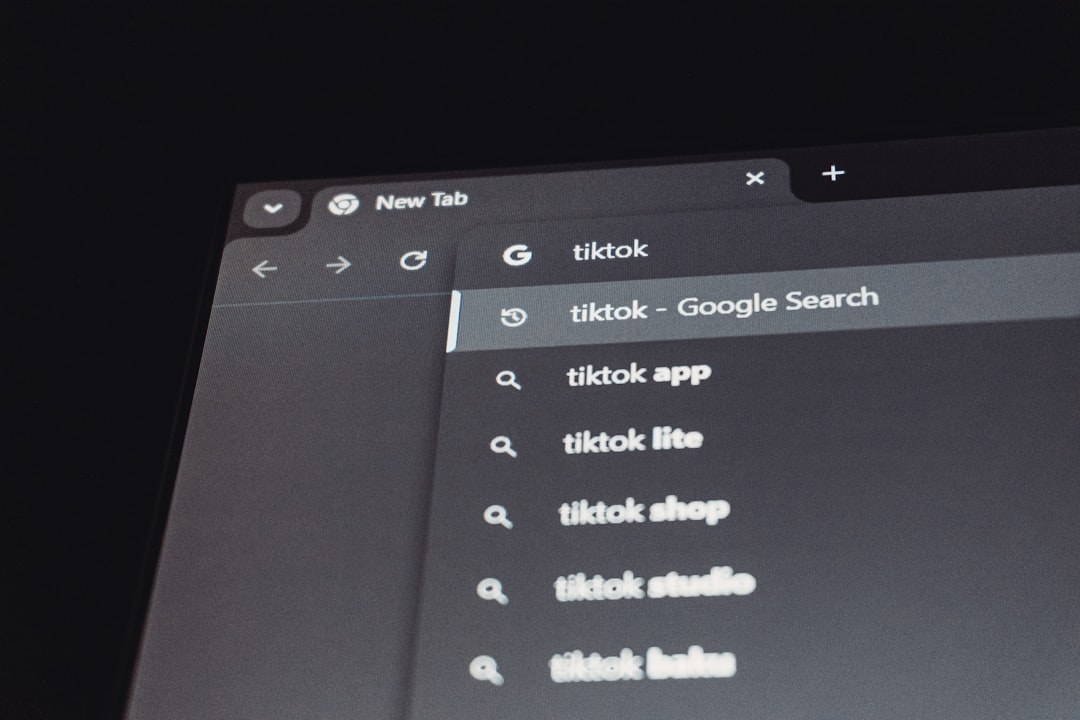
Have you ever found yourself typing something into Google’s search bar only to be amused or baffled by the autocomplete suggestions? Those strange, funny, and sometimes oddly specific suggestions are at the core of a wildly entertaining game called Google Feud. This online trivia game takes the unpredictability of Google Autocomplete and turns it into a clever and often hilarious test of your knowledge—and sometimes your sense of humor.
TL;DR
Google Feud is a free online game based on guessing the top autocomplete results for real Google search queries. Inspired by the popular TV game show Family Feud, the game uses actual Google search data to challenge players to think like the internet. It’s fun, educational, and wildly unpredictable. Great for parties, classrooms, or a quick mental break.
What Is Google Feud?
Google Feud is an online trivia game created by developer Justin Hook in 2013. The gameplay is modeled after the classic game show Family Feud, but instead of surveying people on the street, the answers are pulled straight from Google’s autocomplete suggestions. Each round begins with the start of a search query, like “why do dogs…” and players must guess how that sentence is most commonly completed by people searching on Google.
Google Feud is totally free to play and accessible through most web browsers. It quickly gained popularity thanks to viral buzz, YouTube streamers, and its simple, addictive format that keeps players returning for more absurd and enlightening rounds of guesswork.
How the Game Works
When you open the Google Feud website, you’re presented with a choice of four categories:
- Culture – Covers trends, holidays, and general lifestyle-related searches.
- People – Focuses on common questions and concerns typed by internet users.
- Names – Revolves around famous first names and surname-related autocomplete guesses.
- Questions – Ranges broadly from serious topics to bizarre internet inquiries.
After choosing a category, you’ll see the beginning of a search term. You’re given three tries per round to guess the exact autocomplete suggestions that make the top 10. Each correct answer earns points. Unlike the TV show it’s modeled after, Google Feud doesn’t have a ticking clock or buzzer sounds—just you and your brain versus the hive mind of the internet.
Why It’s So Entertaining
There are a few reasons Google Feud has become a cult classic among online games:
- Unpredictability: You never know what people are really typing into Google. The answers may be helpful, funny, or just outlandish.
- Reflection of human curiosity: Most autocomplete suggestions reflect real-time trends, cultural quirks, common misconceptions, or sheer oddity. This adds an element of humor and unpredictability.
- A fun learning experience: Without even realizing it, players end up learning about popular culture, human behavior, and internet habits.
- Minimal commitment: There’s no need to create an account or download anything. Most rounds last just a few minutes, making it perfect for quick breaks.
Example Queries That Stump the Mind
Here’s a taste of some of the hilarious or strange autocomplete suggestions that have popped up in the game:
- “Why is my goldfish…” (Answers: upside down, turning black, not moving)
- “Is it weird to…” (Answers: talk to yourself, like your cousin, like pain)
- “Do cats like…” (Answers: music, snow, cucumbers)
- “Barack…” (Answers: Obama, Obama net worth, Obama age)
These seemingly innocent queries often unveil a bizarre collective consciousness of the internet that never fails to amuse.
Social & Educational Applications
Though Google Feud was created primarily for entertainment, it has also been praised for its educational value. Teachers have used it in classrooms to prompt discussions about internet usage, privacy, and how AI deduces search suggestions. Parents have also used it as a family-friendly game that sparks curiosity and conversation.
Additionally, it offers a unique form of social entertainment. Whether you’re playing solo, with friends, or in a group setting, the astonishment and laughter that each answer evokes make it a standout party or team-building game.
The Psychology Behind Google Autocomplete
Google’s autocomplete function uses a complex algorithm that includes data such as:
- Past search behavior (yours and others’)
- Trending topics around the world
- Location-based suggestions
- Language and grammar models
This makes for a fascinating reflection of not only individual interests but also collective behavior. Google Feud capitalizes on this by challenging players to think beyond their own minds and consider what the majority of people might be thinking or searching.
Tips for Winning Google Feud
While there’s a great deal of chance involved, here are some tips that might help boost your score:
- Think like the internet: Consider common fears, pop culture obsessions, or health concerns.
- Use current events: If something’s recently been in the news, chances are people have Googled it.
- Be imaginative: The more unusual your guesses, the more likely you are to strike gold.

Shortcomings and Criticism
No game is perfect, and Google Feud has its limitations. Some criticism has included:
- Repetition: Some players report seeing the same questions after a few playthroughs.
- Lack of updates: The game isn’t always updated with the latest autocomplete data, which can make the experience feel stale over time.
- Ads and interface: Like many free-to-play browser games, it can have distracting ads or pop-ups.
Despite these issues, the core gameplay remains compelling and enjoyable for most players.
Related Games and Spin-Offs
Inspired by the success of Google Feud, several similar games and teaching tools have emerged:
- The Higher Lower Game: Guess which of two Google terms has more monthly searches.
- Autocomplete: The Game: Another variant focused solely on the weirdness of autocomplete suggestions.
- Family Feud Online: Play the television version with actual survey data, rather than Google’s AI.
Where to Play
Google Feud is available at www.googlefeud.com and doesn’t require any downloads or sign-ups to play. The interface works well on desktops, laptops, and most mobile browsers.
Final Thoughts
Google Feud is more than a digital guessing game—it’s a window into the collective questions, quirks, and concerns of people online. Whether you’re playing to pass the time, learn something new, or just have a hearty laugh, the game delivers on all fronts. It’s educational, funny, and sneakily addictive.
So the next time you’re looking for a casual way to challenge your mind and entertain your friends, make a visit to Google Feud. Who knew autocomplete could be this much fun?