

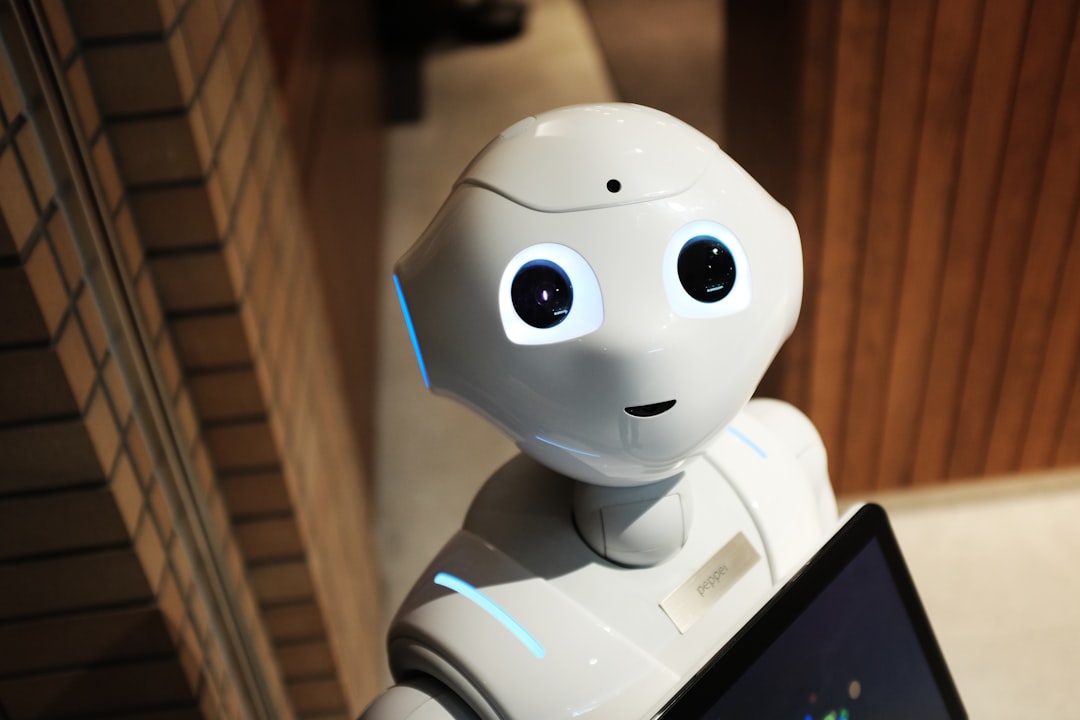
In a digital age fueled by innovation, artificial intelligence (AI) continues to redefine the boundaries of what machines can accomplish. One of the most heart-melting and visually delightful outcomes of AI creativity has emerged in the form of AI-generated puppy images. These imagined canine companions aren’t born from traditional photography but are brought to life with code — an impressive blend of neural networks, machine learning, and computational artistry.
TLDR:
AI-generated images of puppies are computer-created visuals that mimic real or imaginative dogs. Using advanced neural networks like GANs (Generative Adversarial Networks), these images are designed to be photorealistic, vividly charming, or even fantastical. These images are used in digital art, advertising, education, and more, showing the power and versatility of AI in producing emotionally engaging visuals. While they raise questions about authenticity and usage ethics, one can’t deny their cute appeal and technological marvel.
The Rise of AI-Generated Puppy Imagery
Until recently, creating a realistic image of a puppy required either a camera, a lot of artistic skill, or stock photo access. With the breakthrough of AI image generation tools such as DALL·E, Midjourney, and Stable Diffusion, this process has been radically transformed. By simply inputting descriptive prompts like “fluffy golden retriever puppy playing in the snow,” artists and developers can generate entirely new, non-existent puppies in a matter of seconds.
These technologies use deep learning models that have been trained on millions of real-world images. The AI identifies patterns and features—fur texture, eye placement, lighting conditions—and uses them to produce imagery that is human-like in its attention to detail. This makes AI puppies nearly indistinguishable from real ones at first glance.
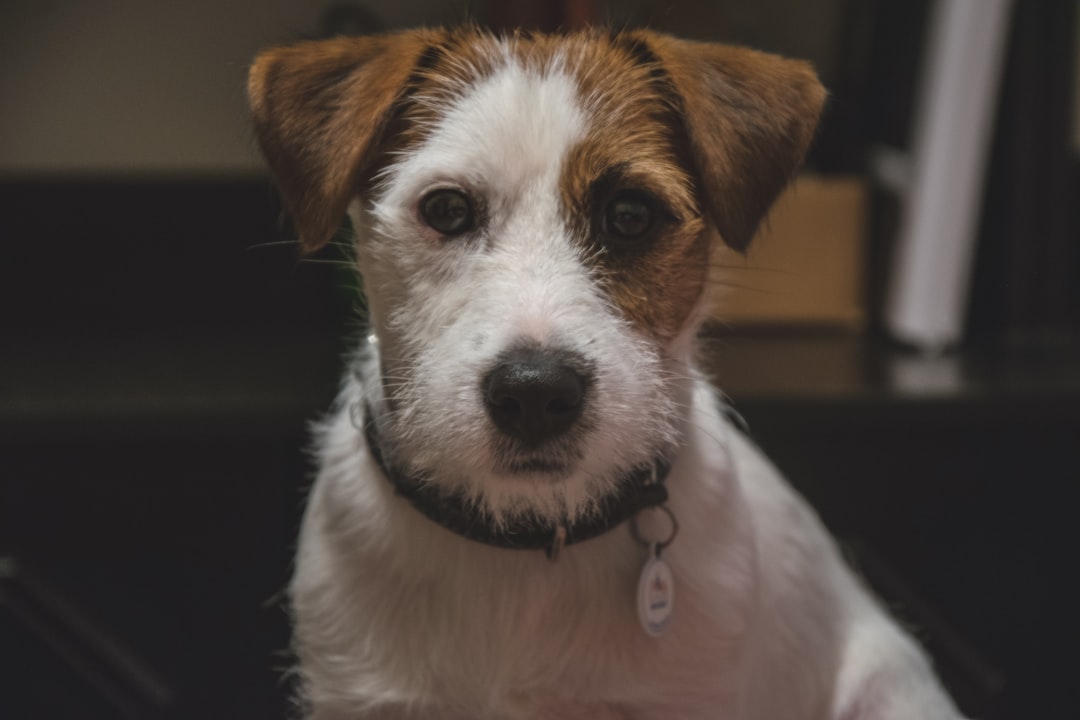
How Do AI Puppy Generators Work?
The cornerstone of most AI image generation lies in a type of neural network known as a Generative Adversarial Network (GAN). GANs consist of two models: a generator that creates images and a discriminator that evaluates them. They “compete” with each other—the generator tries to produce more convincing images while the discriminator attempts to spot the fake from the real.
Here’s a simplified breakdown of how AI generates a puppy image:
- Input Prompt: A user types in a phrase like “a sleepy bulldog puppy on a couch.”
- Text Encoding: The AI converts this text into numerical data it can interpret.
- Image Assembly: Based on its training, the AI composes an image pixel by pixel, generating fur patterns, background elements, and facial expressions.
- Refinement: Some systems apply additional stages to refine the image, enhancing quality and reducing artifacts.
As a result, the output is a unique, photorealistic puppy that has never existed in real life—but feels like it could.
Applications: Where AI Puppies Are Being Used
Though the concept may sound whimsical, the applications of AI-generated puppy images extend across a variety of industries. From commercial advertising to educational resources, AI puppies are infiltrating our visual ecosystems in surprisingly useful ways.
- Marketing & Advertising: Brands can use unique, endlessly customizable puppy images in campaigns, avoiding stock photography fees.
- Children’s Books: Authors and illustrators use generated puppies to illustrate stories without hiring artists.
- Video Game Design: Developers may use imagined puppies as in-game characters or assets.
- Education: Teachers use AI puppies in science classes to showcase genetics, breeds, and animal behavior without relying on real animals.
Moreover, AI puppies are increasingly used in social media content creation, where novelty and visual charm are audience magnets.
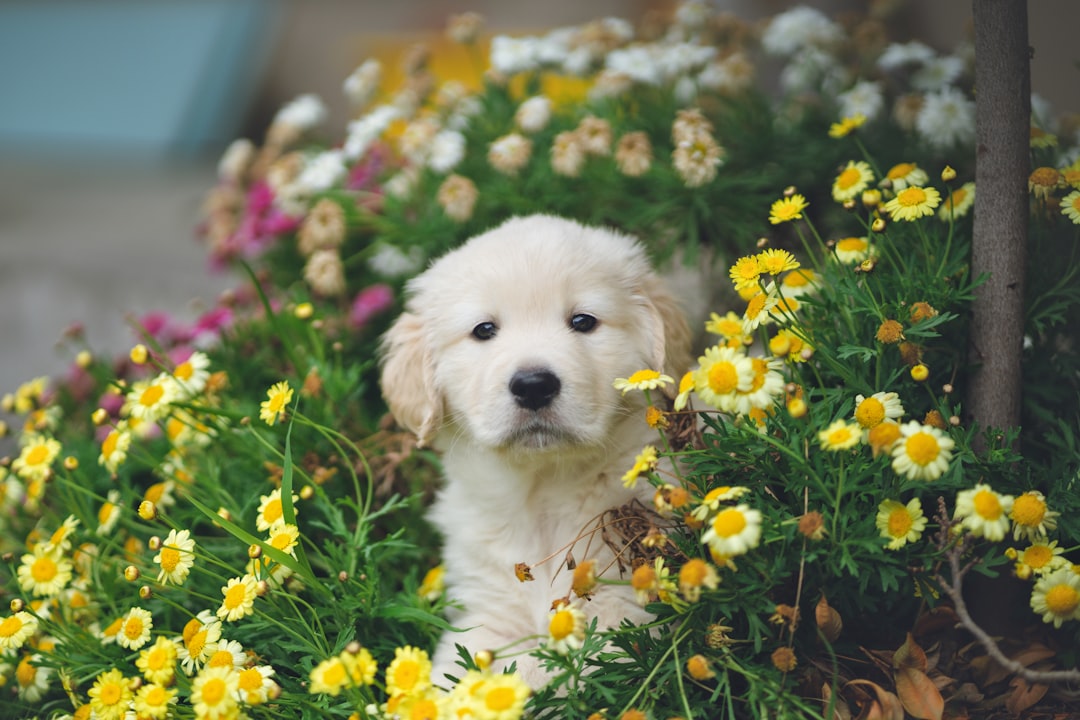
The Emotional Power of Generated Cuteness
Cuteness is more than an aesthetic quality—it has psychological effects. Studies show that viewing cute images, especially of baby animals, releases dopamine and induces nurturing instincts. AI-generated puppy images leverage this emotional reaction, making them especially potent for digital engagement.
This emotional appeal is being harnessed in mental wellness apps, AI chatbots for companionship, and even retail designs where visual warmth can affect user perception and behavior. Through cute, custom-generated puppy images, brands and platforms can subtly enhance the user’s emotional experience.
Limitations and Ethical Questions
Despite their visual charm, AI-generated puppy images are not without controversy. One emerging issue is the potential for misrepresentation. Because AI imagery can so closely mimic real photography, careless use could lead viewers to believe the dogs depicted actually exist. This becomes problematic in a world battling misinformation and AI deepfakes.
There are also concerns about the datasets used to train these models. If they are built using copyrighted or uncredited pet photography, questions of ownership and digital rights come into play. Some artists have even pushed back against AI tools, citing concerns of style mimicry and lack of attribution.
From a user standpoint, another limitation is that without clear prompts, the AI may produce uncanny results—puppies with surreal features or missing limbs. Fine-tuning remains a non-trivial process, although technology is improving rapidly.
The Future: Smarter, Cuter, More Ethical?
The future of AI-generated puppies likely involves more than just visual improvement. As models get smarter and more context-aware, they’ll be able to understand emotional nuances, style preferences, and even user behavior.
We can expect tools that allow for easier personalization: imagine a slider that lets users design the “sweetness level” or “realism factor” of the puppy. Ethical improvements, such as ensuring all training data is publicly licensed, will also be essential for widespread adoption by responsible brands and creators.
And yes, there may come a day when AI goes beyond 2D images—into 3D modeling or even interactive, responsive virtual pets rendered in real-time for VR environments.
Conclusion
AI-generated puppy images represent a fascinating intersection of technology and art—a space where machine learning meets human emotion. While challenges around ethics and accuracy remain, their usefulness across industries speaks volumes. Whether you’re looking to bring warmth to a brand, evoke smiles in an app, or simply enjoy digital cuteness, artificial intelligence puppies are becoming a charming mainstay in our increasingly synthetic visual world.
FAQs about AI-Generated Puppy Images
- Are AI-generated puppies real?
- No, these images are generated by computers and do not represent real animals. They are purely digital constructs created by interpreting textual inputs.
- Can I use AI puppy images commercially?
- In many cases, yes—especially if created using platforms that provide royalty-free or commercial-use options. Always check the licensing details of the AI tool you use.
- Why do some AI-generated puppies look weird?
- AI models can sometimes interpret prompts imperfectly, leading to unrealistic features. Refining prompts or using more advanced tools can help improve results.
- Which AI tools are best for generating puppy images?
- Popular options include Midjourney for artistic styles, DALL·E for generalized prompts, and Stable Diffusion for cleaner, more controlled outputs.
- Can AI puppies be animated?
- While static images are the norm, there are efforts underway to animate AI-generated animals using tools like RunwayML, Pika Labs, and DeepMotion.