


Building organic reach on Instagram has become significantly more complex in recent years. As competition intensifies across nearly every niche, simply posting high-quality visuals is no longer enough. Strategic hashtag research remains one of the most reliable ways to ensure your content reaches the right audience. However, effective hashtag selection requires data, competitive analysis, and ongoing optimization.
TLDR: Choosing the right hashtags is critical to improving Instagram organic reach, but guessing rarely works. Professional hashtag research tools provide data on search volume, competition, trends, and audience behavior. The seven tools outlined below help marketers and creators make informed decisions rather than relying on intuition. Used strategically, they can significantly improve content discoverability and engagement.
Why Hashtag Research Still Matters
While Instagram’s algorithm has evolved, hashtags still serve as categorization signals. They help the platform understand your content’s context while allowing users to discover posts through search and topic feeds. Businesses that apply research-backed hashtag strategies typically experience:
- Higher impressions from non-followers
- Better audience targeting
- Improved engagement rates
- Greater consistency in reach
Without structured research, accounts often overuse ultra-competitive hashtags or select irrelevant tags that do not attract qualified viewers.
1. Flick
Best for: Data-driven hashtag optimization
Flick is widely recognized for its advanced Instagram hashtag analytics. It provides detailed metrics on search volume, competition levels, and potential reach. Users can build curated hashtag collections categorized by campaign, niche, or post type.
Key features include:
- Hashtag difficulty scoring
- Shadowban monitoring
- Performance tracking by hashtag group
- Content scheduling tools
Its competitive scoring system is especially useful for small and mid-sized accounts seeking growth without competing directly against high-authority profiles.
2. Hashtagify
Best for: Trend tracking and hashtag popularity insights
Hashtagify provides real-time data on hashtag popularity and correlations. It helps users understand not only how popular a hashtag is, but also which related tags are frequently used alongside it.
This relational mapping offers a deeper analytical perspective, allowing marketers to build well-balanced hashtag clusters rather than isolated lists.
It is particularly effective for identifying emerging trends before they peak, giving early adopters a visibility advantage.
3. RiteTag
Best for: Real-time hashtag suggestions
RiteTag generates instant hashtag suggestions for both images and text. It uses color-coded indicators to show whether a hashtag is overused, underused, or appropriately competitive.
- Green: Good for immediate engagement
- Blue: Good for long-term exposure
- Red: Highly competitive
This immediate feedback mechanism supports quick publishing workflows while maintaining strategic discipline.
4. IQ Hashtags
Best for: Competitor analysis
IQ Hashtags combines hashtag research with profile performance analysis. It enables users to study competitor strategies, identify high-performing content patterns, and extract frequently used hashtag sets.
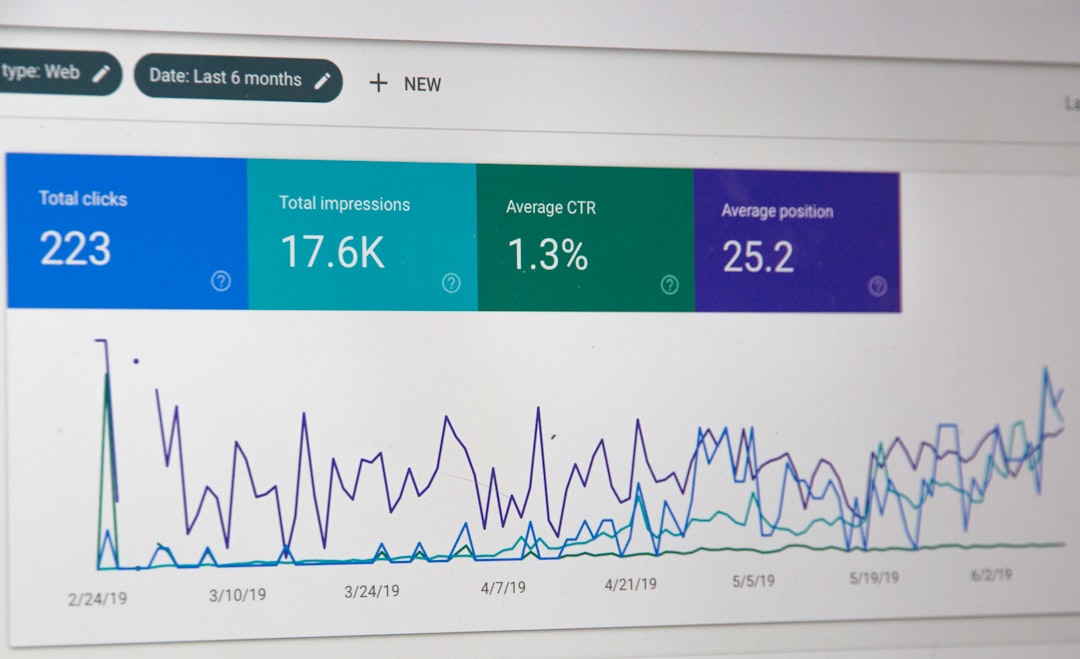
Distinct advantages include:
- Follower quality analysis
- Growth tracking metrics
- Post performance benchmarking
This dual-layer intelligence (hashtag + competitor data) helps refine targeting strategies for measurable growth.
5. Display Purposes
Best for: Clean and relevant hashtag generation
Display Purposes is designed for simplicity. By entering a primary keyword, users receive a filtered list of relevant hashtags. The tool automatically removes spammy or banned tags, reducing account risk.
While it offers fewer analytics compared to enterprise tools, its quality control mechanism makes it valuable for creators who prioritize simplicity and safety.
6. Later’s Hashtag Suggestions
Best for: Integrated scheduling and hashtag workflow
Later provides hashtag suggestions directly within its content scheduling platform. Based on caption inputs, it recommends relevant hashtags along with basic performance metrics.
- Saved hashtag groups
- Post preview from hashtag feed
- Visual content calendar
For marketing teams already using Later, this integration streamlines publishing without juggling multiple platforms.
7. Inflact
Best for: AI-powered hashtag expansion
Inflact leverages artificial intelligence to generate hashtags based on images, keywords, or profile URLs. Its image recognition capability distinguishes it from many competitors.

This makes it particularly useful for visual brands in fashion, travel, fitness, and lifestyle niches.
Comparison Chart
| Tool | Primary Strength | Analytics Depth | Trend Tracking | Competitor Analysis | AI Features |
|---|---|---|---|---|---|
| Flick | Hashtag difficulty scoring | High | Moderate | Limited | Moderate |
| Hashtagify | Trend and correlation mapping | High | Strong | Limited | Low |
| RiteTag | Real-time suggestions | Moderate | Basic | No | Low |
| IQ Hashtags | Competitor analytics | High | Moderate | Strong | Low |
| Display Purposes | Clean hashtag filtering | Low | Basic | No | Low |
| Later | Workflow integration | Moderate | Basic | No | Low |
| Inflact | AI image-based suggestions | Moderate | Moderate | Limited | Strong |
How to Use These Tools Strategically
Having access to tools is only part of the solution. Strategic implementation determines effectiveness. Consider the following best practices:
- Create hashtag tiers. Combine high-volume, medium-competition, and niche-specific hashtags in every post.
- Rotate hashtag groups. Avoid repetitive use of identical sets.
- Monitor performance monthly. Track reach, saves, and non-follower impressions.
- Adjust based on data. Remove tags that consistently underperform.
Accounts that regularly refine their approach typically outperform those using static hashtag lists.
Common Hashtag Mistakes to Avoid
- Using only ultra-popular hashtags with millions of posts
- Ignoring niche specificity
- Copying competitor hashtags without analysis
- Overlooking banned or restricted tags
Reliable tools help prevent these errors by offering data-backed insights instead of assumptions.
Final Thoughts
Instagram growth is increasingly data-driven. While no tool guarantees viral success, structured hashtag research consistently improves discoverability and audience alignment. The platforms discussed above vary in complexity and features, making it possible for individual creators, small businesses, and marketing teams to select solutions aligned with their goals and budget.
Ultimately, the key to boosting organic reach is not merely using hashtags—but using them intelligently. When combined with compelling visual content and strong audience targeting, the right research tools can turn Instagram from a crowded feed into a measurable growth channel.