


Choosing the right PDF editor often depends not only on features and pricing, but also on how well the software performs across devices. As professionals increasingly switch between smartphones, tablets, and desktop computers, the difference between mobile and desktop experiences can significantly impact productivity. In this comprehensive review, we examine four well-known PDF Extra evaluations, highlighting how the application performs in mobile versus desktop environments, and what that means for business users, students, and everyday document management.
TLDR: PDF Extra delivers solid performance across both desktop and mobile platforms, but the experience varies depending on workflow complexity. Desktop versions offer greater precision, deeper editing tools, and smoother multitasking, while mobile apps prioritize accessibility and convenience. Users handling complex document formatting typically benefit from desktop use, whereas on-the-go viewing and quick edits are better suited to mobile. Overall, the best experience comes from combining both platforms strategically.
1. Interface and Usability: Desktop Precision vs Mobile Simplicity
One of the first elements highlighted across reviews is the noticeable difference in interface design between desktop and mobile versions of PDF Extra. While both platforms maintain a consistent brand structure and layout philosophy, their optimizations reflect the realities of screen size and input methods.
On desktop, users benefit from:
- A full ribbon-style toolbar with clearly segmented editing categories
- Side-by-side document navigation panels
- Precise cursor controls for text editing and formatting
- Multi-window capabilities for comparing documents
This environment is especially beneficial for users handling contracts, reports, or academic documents that require structured formatting and frequent revisions.
On mobile, the experience is streamlined:
- Simplified bottom navigation menus
- Touch-optimized controls
- Quick access to annotate, sign, and scan features
- Collapsible toolbars to maximize reading area

While mobile sacrifices some visual depth in tool presentation, it excels in quick accessibility. Reviews consistently note that for reviewing documents during travel or meetings, the mobile interface feels intuitive and responsive. However, when intricate formatting changes are required, desktop remains superior.
2. Editing Capabilities: Depth vs Convenience
Another major theme in PDF Extra reviews centers on editing functionality. Although the core editing engine remains consistent across platforms, execution and usability differ.
Desktop Editing Strengths
Desktop versions of PDF Extra provide:
- Advanced text reflow control
- Font embedding and style adjustments
- Batch processing tools
- More robust OCR configuration settings
- Comprehensive page organization panel
The desktop environment also supports keyboard shortcuts extensively, allowing power users to significantly speed up workflows. Drag-and-drop functionality is smoother and more precise with a mouse or trackpad.
Mobile Editing Strengths
The mobile version focuses on essential document adjustments:
- Basic text corrections
- Highlighting and commenting
- Easy e-signatures
- Photo-to-PDF scanning with built-in camera optimization
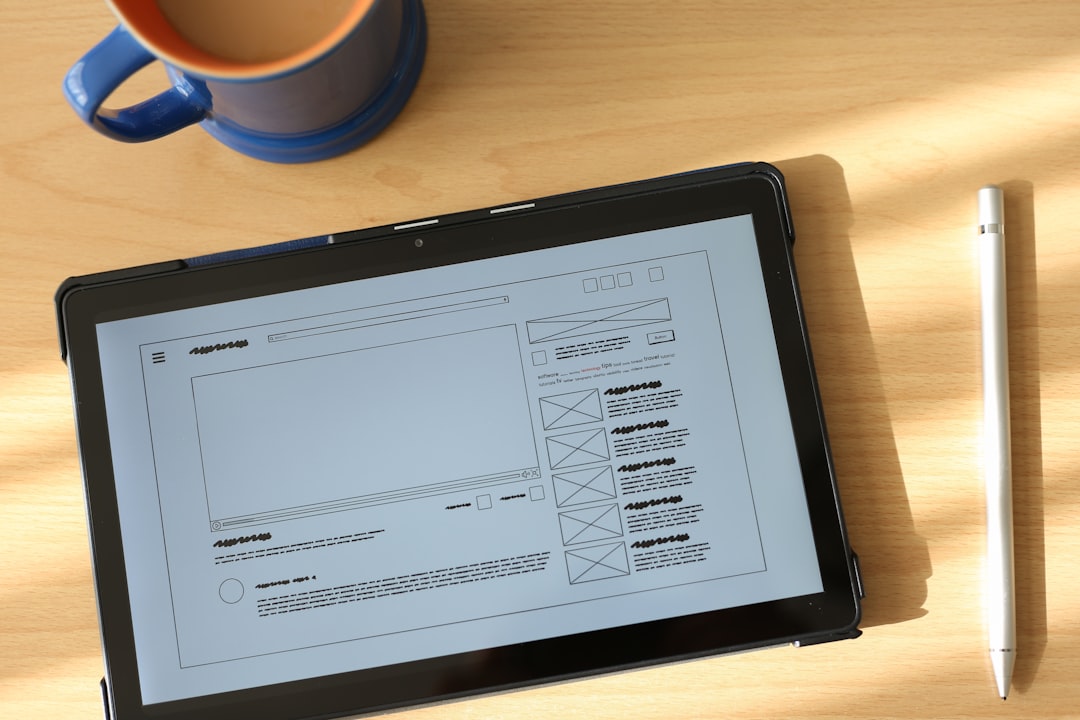
Importantly, reviews highlight the strength of the mobile scanning feature, which leverages smartphone cameras for document digitization. For field workers, sales teams, and students scanning notes, this capability is a significant advantage over desktop.
However, when dealing with complex layouts—such as tables embedded within lengthy documents—desktop editing tools are more stable and precise.
3. Performance and Stability Across Devices
Performance consistency is critical when switching devices mid-task. The reviews point to noticeable strengths and minor distinctions between the two setups.
Desktop Performance Highlights
- Faster processing for large PDFs (100+ pages)
- Better memory management in intensive editing sessions
- Smoother multi-tab navigation
- Improved performance on documents with heavy graphics
Desktop versions leverage stronger hardware configurations and therefore handle enterprise-level documents more effectively. Businesses working with technical manuals or compliance documentation report smoother operations on laptops or desktop computers.
Mobile Performance Observations
- Quick loading of moderate-size documents
- Reliable cloud syncing
- Optimized storage handling
- Occasional slowdowns with large or image-heavy files
Reviews suggest that newer smartphones perform remarkably well, but older devices may struggle with particularly large PDFs. Battery consumption during prolonged editing sessions is also noted as a factor.
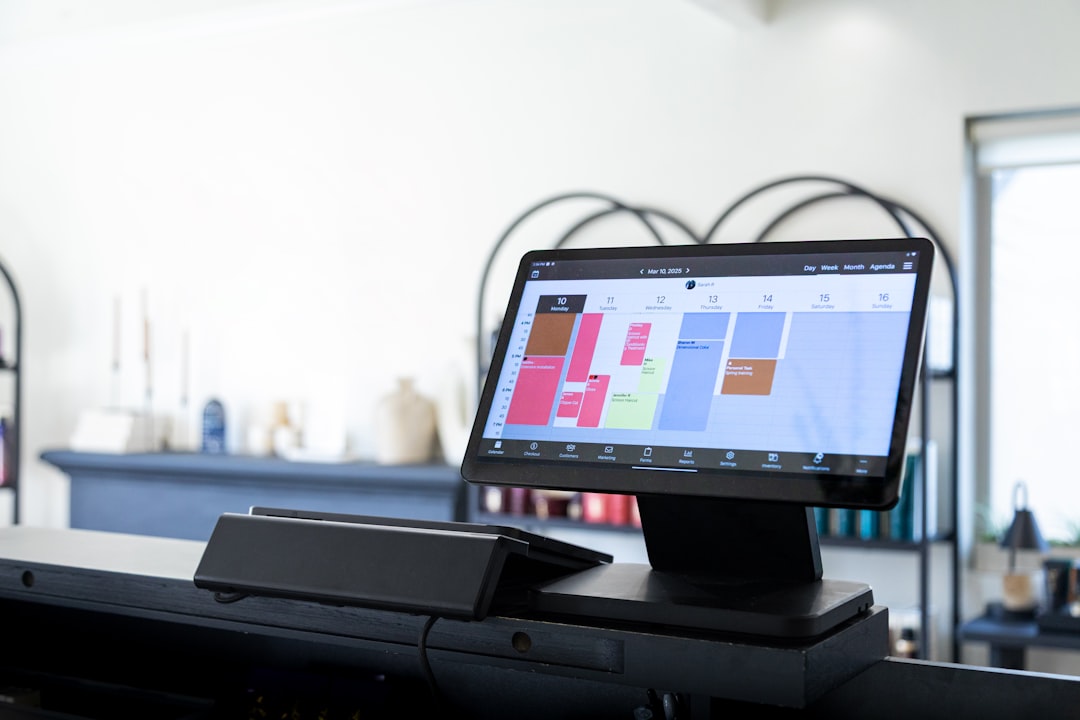
Cloud integration serves as a bridge between platforms. By leveraging cloud storage, users can seamlessly move between desktop and mobile without manual document transfers—a feature consistently praised across evaluations.
4. Collaboration and Accessibility: Mobility’s Strong Suit
Modern PDF workflows increasingly rely on collaboration. PDF Extra offers synchronized environments that bring meaningful though slightly varied collaboration experiences across devices.
Desktop Collaboration Advantages
- Easier comment tracking via larger review panes
- Better visibility of annotation layers
- More precise placement of sticky notes and drawing tools
- Dual-monitor optimization
Mobile Collaboration Advantages
- Immediate sharing from email and messaging apps
- Push notification alerts for shared updates
- Portable review during travel
- Instant scanning and forwarding of signed documents
In practice, desktop collaboration is ideal for structured document review sessions, while mobile collaboration excels in responsiveness and agility.
Comparison Chart: Mobile vs Desktop Experience
| Feature Category | Desktop Experience | Mobile Experience |
|---|---|---|
| Interface Layout | Comprehensive ribbon menu, multi-pane view | Simplified touch-based navigation |
| Editing Precision | Advanced formatting and layout control | Basic edits and annotations |
| OCR Settings | Detailed configuration options | Simplified OCR activation |
| Performance with Large Files | Handles high-volume documents efficiently | May slow with very large PDFs |
| Document Scanning | Requires external scanner | Built-in mobile camera scanning |
| Collaboration | Structured review panels | Quick share and instant notifications |
| Portability | Fixed workstation | Accessible anywhere |
Who Benefits Most from Each Platform?
Based on aggregated reviews, user type plays a defining role in platform preference.
Desktop is Ideal For:
- Legal professionals reviewing contracts
- Researchers handling formatted academic papers
- Office administrators managing bulk files
- Design teams preserving document layouts
Mobile is Ideal For:
- Field staff collecting signed forms
- Students reviewing notes on the move
- Executives approving documents remotely
- Sales teams scanning receipts and agreements
The most satisfied users are those who integrate both platforms into their routines rather than relying exclusively on one.
Security and Account Synchronization
Security remains a priority across both environments. Reviews indicate that PDF Extra maintains encryption standards consistently regardless of device. However, desktop versions may benefit from enterprise network protections, while mobile relies more heavily on device-level security features such as biometric authentication.
Synchronized accounts play a central role in ensuring continuity. Once logged in, users gain access to:
- Cloud-stored documents
- Saved signatures
- Saved templates
- Purchase licenses and subscription plans
This synchronization eliminates the friction often associated with multi-device document management.
Final Assessment: Complementary Strengths Rather Than Competition
Across all four PDF Extra reviews examined, one conclusion stands out clearly: mobile and desktop experiences are not competitors, but complements. Each environment is purpose-built to excel in different use cases.
The desktop platform is undeniably stronger in depth, precision, and high-volume handling. Professionals engaged in document-heavy workflows will find it indispensable. Meanwhile, the mobile app shines in speed, portability, and real-time responsiveness—traits that align with modern hybrid work demands.
Ultimately, organizations aiming for maximum efficiency should deploy both versions strategically. Desktop remains the foundation for structured office tasks, while mobile ensures that document workflows continue uninterrupted beyond traditional workspaces.
In a rapidly evolving digital landscape, the ability of PDF Extra to deliver a cohesive yet optimized multi-platform experience is not merely convenient—it is increasingly essential.